



After discovering water damage inside a home, most homeowners ask the same initial question: “Will this dry on its own?”
 That reaction makes perfect sense. Small leaks, appliance overflows, plumbing failures, crawlspace flooding, and roof leaks do not always look catastrophic at first. In many situations, the affected materials may even appear dry on the surface after several hours or days. At Red Truck Disaster Response, we regularly speak with homeowners throughout Boise and the Treasure Valley who hesitate before calling for professional help because they hope the moisture will simply evaporate naturally over time. Sometimes small incidents may dry adequately with limited intervention. In many other situations, however, hidden moisture remains trapped far longer than homeowners realize. The challenge with water damage often involves what cannot be seen easily.
Surface Dryness Does Not Always Mean Structural Dryness: Answering the Question “Will This Dry On Its Own?”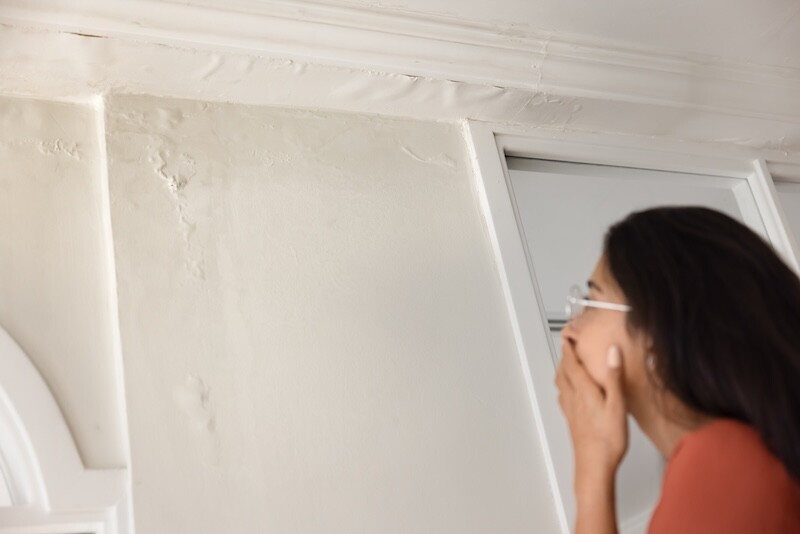
One of the most common misconceptions about water damage involves appearance. Drywall, flooring, insulation, subfloors, framing, and crawlspaces may appear dry on the surface while moisture remains trapped underneath or inside building materials.
 Water frequently migrates into:
- Wall cavities
- Insulation
- Subflooring
- Baseboards
- Crawlspaces
- Cabinet voids
- Flooring layers
Air circulation inside those areas remains limited, which often slows evaporation dramatically. As a result, materials may continue holding elevated moisture levels long after visible water disappears.
Will This Dry On Its Own? Evaporation Often Takes Longer Than Homeowners Expect
Homeowners often assume water evaporates quickly once standing water disappears. In reality, drying times vary significantly depending on:
- Humidity
- Airflow
- Temperature
- Material type
- Amount of water involved
- Location of the moisture
- Ventilation conditions
For example, moisture trapped behind walls or underneath flooring often dries much more slowly than water exposed directly to open air. Crawlspaces create another common problem area because limited airflow and cooler temperatures may significantly slow the drying process. Without proper airflow and dehumidification, some materials may remain damp for extended periods.
 Small Water Losses Can Spread Further Than Expected
Water rarely stays confined to one exact location. Even relatively minor leaks often migrate farther than homeowners initially realize. Gravity naturally pulls moisture downward while porous materials absorb and transfer water horizontally as well.
A small plumbing leak under a sink may eventually affect:
- Cabinets
- Drywall
- Flooring
- Baseboards
- Subflooring
- Adjacent rooms
Likewise, upstairs leaks frequently impact ceilings, insulation, and framing below the original source. By the time visible staining appears, moisture may have already traveled well beyond the immediately affected area.
Summer Conditions Can Create Hidden Moisture Problems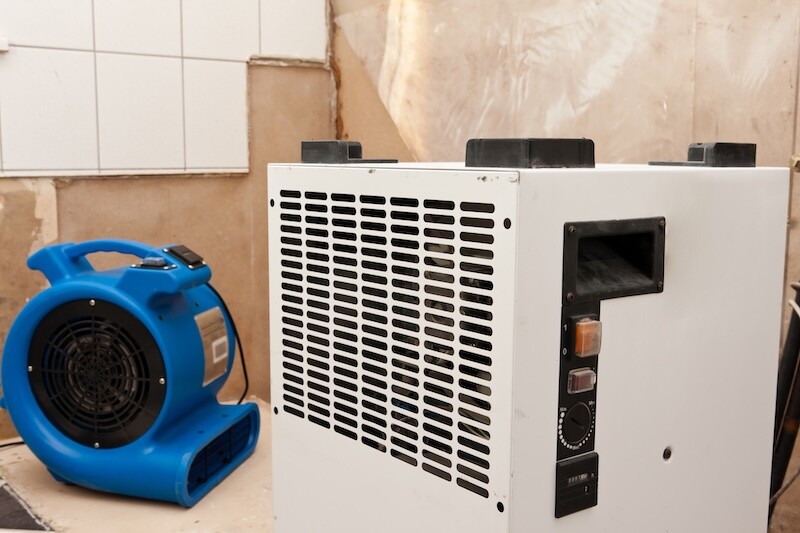
Treasure Valley summers often feel dry overall, which sometimes causes homeowners to assume water damage will dry rapidly without intervention. However, enclosed spaces inside homes frequently behave differently than outdoor conditions.
Insulation, wall cavities, crawlspaces, and flooring systems may still retain moisture despite hot exterior temperatures. Additionally, air conditioning systems can create cooler indoor environments that slow evaporation in certain materials.
Dry outdoor weather does not automatically guarantee fast structural drying indoors.
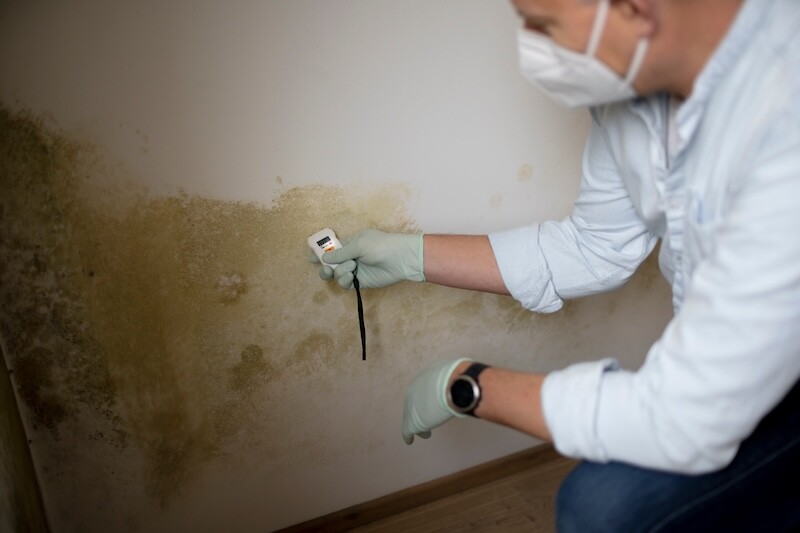 When Should I Call a Restoration Company?
Every situation differs, but professional evaluation often makes sense when:
- Water affected drywall or insulation
- Moisture reached flooring or subflooring
- Water entered a crawlspace
- The source remained active for several hours
- The leak involved sewage or contaminated water
- Multiple rooms became affected
- The moisture source feels uncertain
- Odors begin developing
- Staining appears
- Materials still feel damp after a day or two
In many situations, early evaluation helps determine whether professional drying equipment would likely reduce long-term damage.
Emergency Cleanup Does Not Always Mean Major Demolition
Some homeowners hesitate to call because they fear restoration companies will automatically begin tearing apart large portions of the home.
In reality, mitigation decisions usually depend on: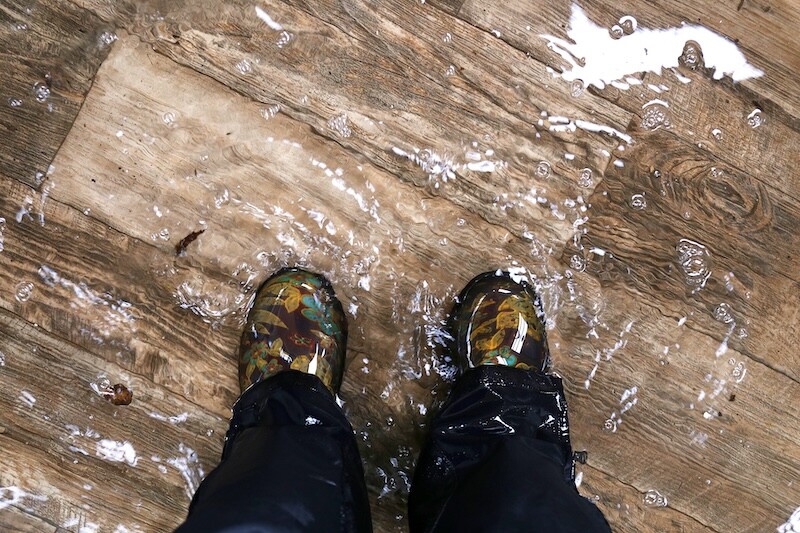
- Moisture readings
- Material conditions
- Contamination levels
- Structural impact
- Drying progress
Sometimes targeted drying and monitoring may adequately address the issue. Other situations require more extensive removal of damaged materials. Professional moisture mapping and inspection help guide those decisions based on actual conditions rather than assumptions.
Why Professional Drying Equipment Matters
Natural evaporation alone often dries materials slowly and inconsistently.
Professional drying systems typically use combinations of:
- Air movers
- Dehumidifiers
- Moisture meters
- Air filtration
- Controlled airflow
These systems help accelerate evaporation while removing moisture from the indoor environment more effectively than household fans alone. Professional drying also usually includes moisture monitoring to help verify whether materials continue drying appropriately over time. Without moisture testing, homeowners often rely solely on visual appearance, which does not always provide an accurate picture of hidden moisture conditions.
Waiting Sometimes Increases Restoration Costs
This does not mean every small leak becomes catastrophic. However, delays sometimes allow moisture to spread further or remain trapped longer than necessary.
Extended moisture exposure may contribute to:
- Material deterioration
- Flooring damage
- Cabinet swelling
- Drywall weakening
- Odor development
- Additional demolition needs
In many situations, earlier intervention allows for more controlled and limited mitigation efforts. That is one reason homeowners often benefit from at least obtaining a professional assessment after significant water exposure.
 Insurance Documentation Often Benefits From Early Evaluation
Another advantage of early restoration involvement involves documentation. Professional mitigation companies such as ours frequently document:
- Moisture readings
- Affected materials
- Drying progress
- Equipment placement
- Photo timelines
- Structural conditions
That information may help support insurance communication and claim documentation when coverage applies. Every insurance policy differs, of course, and homeowners should always speak directly with their insurance provider regarding specific coverage questions.
Not Every Situation Requires Full Emergency Mitigation
At Red Truck Disaster Response, we try to approach water losses realistically rather than alarmingly. Some situations may dry adequately with limited intervention and monitoring. Others benefit strongly from professional mitigation because of hidden moisture migration or material vulnerability.
The important thing involves evaluating the situation accurately instead of assuming everything will simply dry on its own.
Water behaves differently depending on materials, airflow, humidity, and structural conditions. Professional assessment often helps homeowners understand what is actually happening beneath the surface before larger issues develop later.
About Red Truck Disaster Response in Boise, Idaho
Red Truck Disaster Response was established in 2016. Through our experience working for a national franchise, we have seen first-hand how larger companies fail to provide the level of customer service their clients need and deserve when we are going through a loss to their home. We started Red Truck and made the conscious decision to put service first. Our clients are our highest priority. With a focus on professional and supportive service and open communication, we help our clients restore both their homes and their lives after a disaster. We will work with any insurance company and can handle any size loss. If you face a loss of any kind, 24/7, call our hotline (208) 336-3853 and we’ll be happy to help!
This blog is for informational purposes only. If you have questions about your specific situation, we will be happy to come out and look at no charge. Inspections are always free.
