




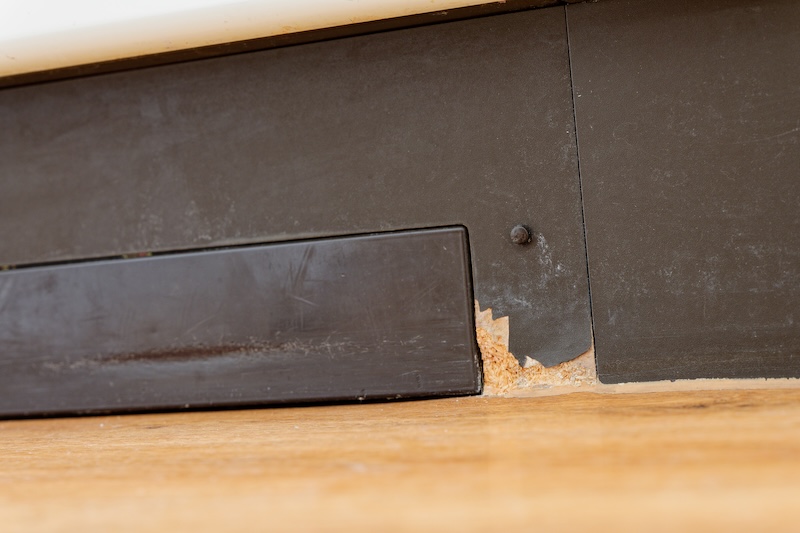
 Why Is My Baseboard Swollen After a Leak?
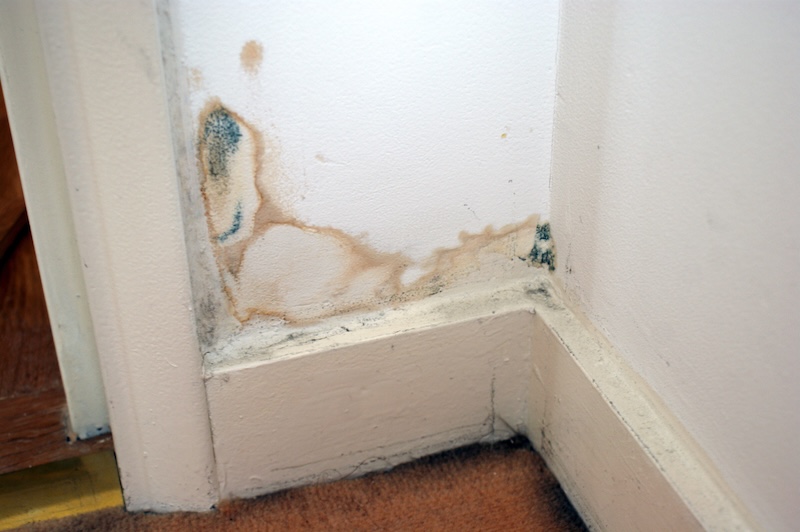
A swollen baseboard may seem like a minor cosmetic problem. This is especially true after a plumbing leak has been repaired or water has been cleaned up. However, when baseboards begin to bulge, separate from the wall, or develop a soft, uneven appearance, they may be revealing moisture damage that extends beyond the trim itself. Even a relatively small leak can allow water to travel into surrounding building materials, where it may remain long after the visible water disappears.
At Red Truck Disaster Response, we regularly help homeowners throughout Boise and the rest of the Treasure Valley identify water damage that isn’t immediately obvious. Although replacing a damaged baseboard might seem like a simple solution, it’s important to determine what caused the swelling and whether moisture remains inside the wall.
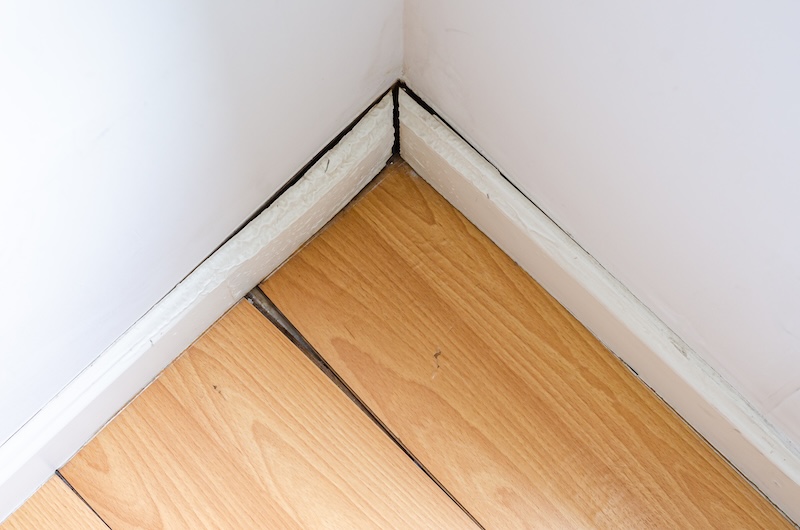 Why Do Baseboards Swell When They Get Wet?
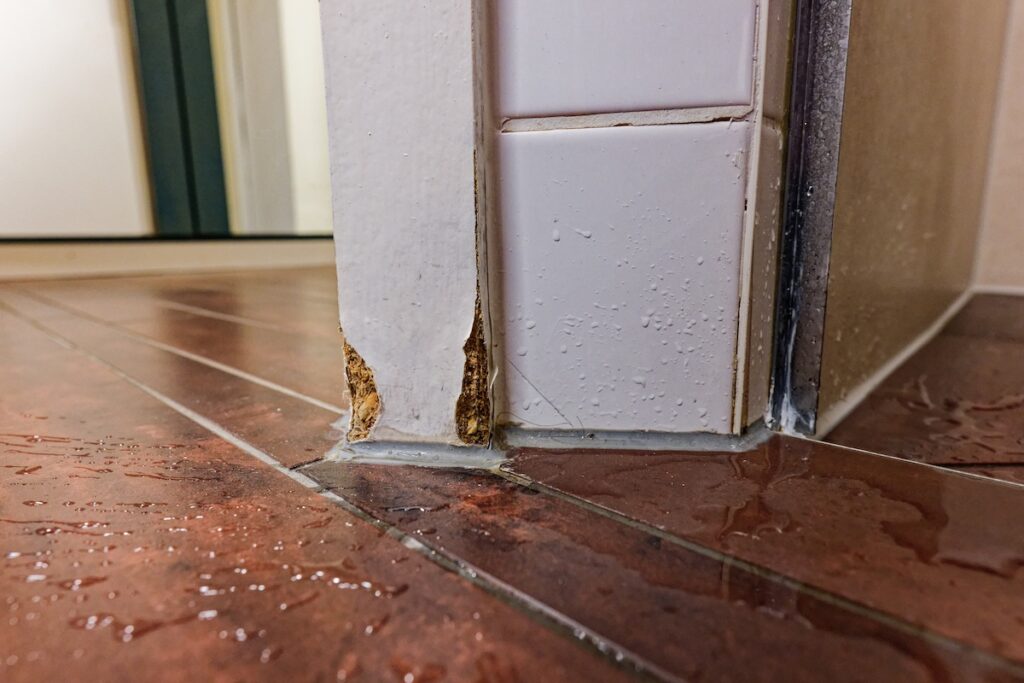
Many modern homes have baseboards manufactured from medium-density fiberboard (MDF). MDF is an engineered wood product made from compressed wood fibers and resin. While it provides a smooth, attractive finish for painted trim, it is particularly vulnerable to moisture because the fibers absorb water and expand.
Once MDF becomes saturated, it may swell, soften, or lose its original shape. Unfortunately, even after the material dries, it generally won’t return to its previous dimensions. Solid wood baseboards can also absorb moisture, although the resulting damage may appear as warping, cupping, or separation at the joints.
Common signs of water-damaged baseboards include:
- Swelling or bulging along the bottom edge of the trim.
- Paint that bubbles, cracks, or separates from the surface.
- Gaps developing between the baseboard and drywall.
- Soft or deteriorating material near corners or joints.
- Discoloration or staining along the wall or flooring.
- A musty odor that persists after the leak has stopped.
Although these symptoms may appear limited to a small section of trim, they don’t necessarily indicate how far the water has traveled.
How Water Travels Behind Baseboards and Into Drywall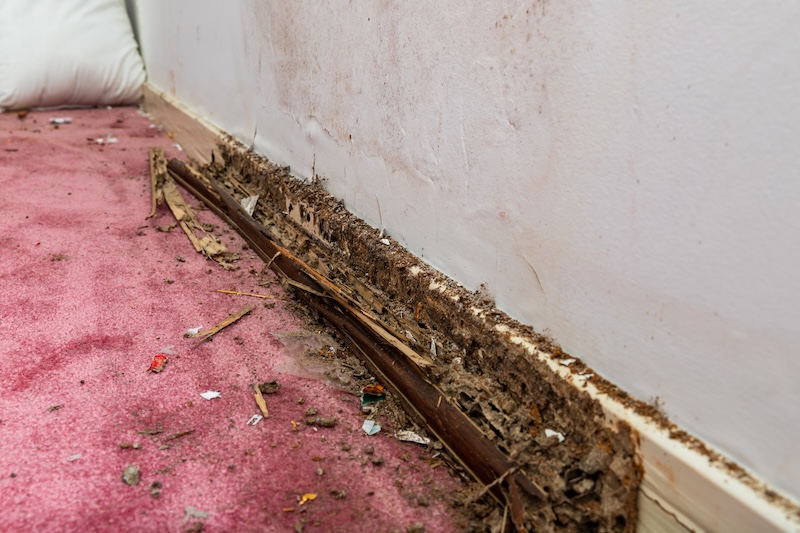
One reason water damage can be difficult to assess is that moisture doesn’t always remain where the original leak occurred. Instead, water can move along flooring, beneath trim, and into drywall through a process known as capillary action, commonly called wicking. Drywall is particularly susceptible because its paper facing and gypsum core can absorb moisture. When water reaches the bottom of a wall, it may travel upward through the material, even when the visible damage appears concentrated near the floor. Additionally, moisture can become trapped in the space between the drywall and baseboard. Depending on the construction and source of the leak, water may also affect insulation, framing, sub-flooring, and adjacent rooms.
Consequently, swollen baseboards can signal a larger moisture problem that requires professional evaluation.
 Why Replacing Swollen Baseboards May Not Solve the Problem
After discovering swollen trim, homeowners sometimes remove the damaged section, purchase replacement molding, and repaint the area. While this approach may improve the appearance of the room, it doesn’t address moisture that could remain behind the wall.
For example, imagine a dishwasher supply line develops a slow leak. Water travels beneath the kitchen flooring and eventually reaches the baseboard along an adjoining wall. Although the visible swelling may affect only a few feet of trim, moisture could have spread beneath the flooring or into the wall cavity.
If the baseboard is replaced before the affected materials are properly evaluated and dried, several problems may develop:
- Persistent moisture can damage newly installed trim.
- Damp drywall may deteriorate behind the finished surface.
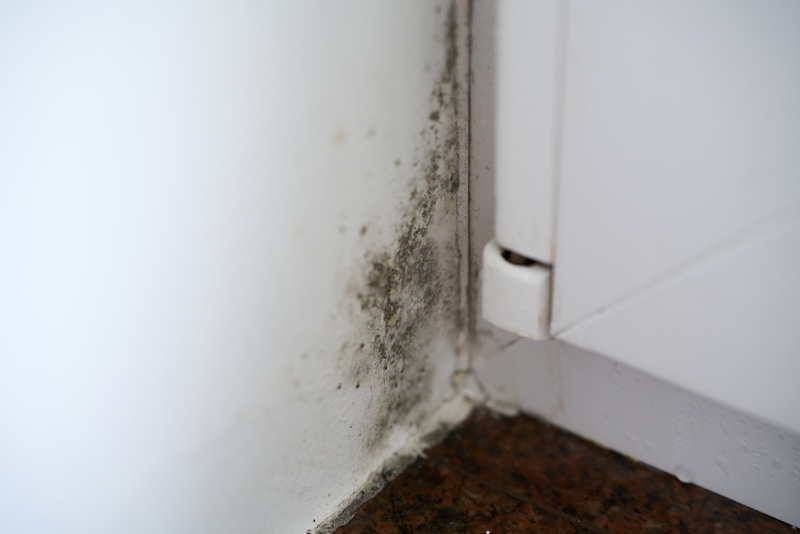
- Trapped moisture can contribute to microbial growth.
- Flooring or subflooring may continue to weaken.
- Hidden damage may become more expensive to repair.
For these reasons, the priority should be identifying and addressing the moisture problem before completing cosmetic repairs.
How Do Professionals Determine How Far Water Traveled?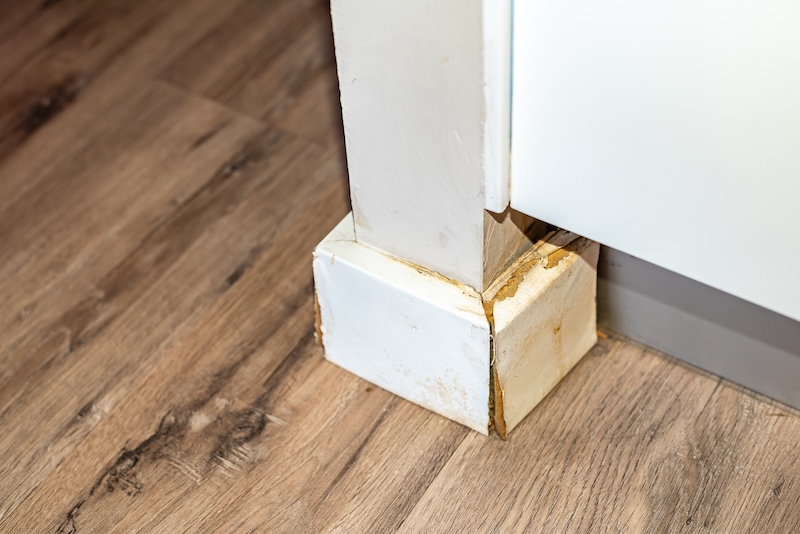
At Red Truck Disaster Response, we don’t rely solely on visible stains or swollen materials to determine the extent of water damage. Instead, we evaluate the affected area and use professional moisture-detection equipment to identify where water may have migrated.
Depending on the situation, our assessment may include:
- Moisture meters: Measuring moisture levels in drywall, wood, and other building materials.
- Thermal imaging: Identifying temperature patterns that may indicate areas requiring further moisture testing.
- Inspection of surrounding materials: Checking adjacent walls, flooring, and other locations where water could have traveled.
- Targeted removal of damaged materials: Determining whether trim or portions of drywall need to be removed to access wet areas.
- Drying equipment and monitoring: Using professional air movers and dehumidifiers when appropriate, then tracking moisture levels throughout the drying process.
Thermal imaging alone cannot confirm the presence of water, so additional testing is important. Likewise, the absence of visible staining doesn’t necessarily mean that the materials behind a wall are dry.
By identifying the actual boundaries of the affected area, we can develop a restoration plan based on the damage rather than simply treating what is visible.
 Can a Swollen Baseboard Mean There Is Mold Behind the Wall?
Swollen baseboards do not automatically mean mold is present. However, when moisture remains trapped in building materials, conditions may become favorable for mold growth, particularly when drying is delayed. Mold can begin developing on damp, susceptible materials within 24 to 48 hours under favorable conditions. Therefore, addressing water intrusion promptly is important, even when the affected area appears relatively small. If a baseboard remains swollen after a leak, homeowners should avoid assuming that the wall has dried simply because the floor feels dry. A professional moisture assessment can help determine whether additional drying or removal of damaged materials is necessary.
What Should You Do If You Notice Swollen Baseboards?
If you discover swollen trim after a plumbing leak, appliance malfunction, or other water intrusion, begin by making sure the water source has been stopped. Next, document the visible damage and avoid covering or replacing affected materials until you understand the extent of the moisture problem. Although minor surface damage may sometimes be addressed without extensive restoration, hidden moisture deserves attention. The sooner affected materials are evaluated, the better the opportunity to limit additional deterioration and unnecessary repairs.
Homeowners and commercial property owners don’t always know whether a small area of swelling represents a simple repair or a more serious water damage problem. That’s why we offer free inspections to help identify the source and extent of damage and explain what steps may be necessary.
Water Damage Restoration in Boise and the Treasure Valley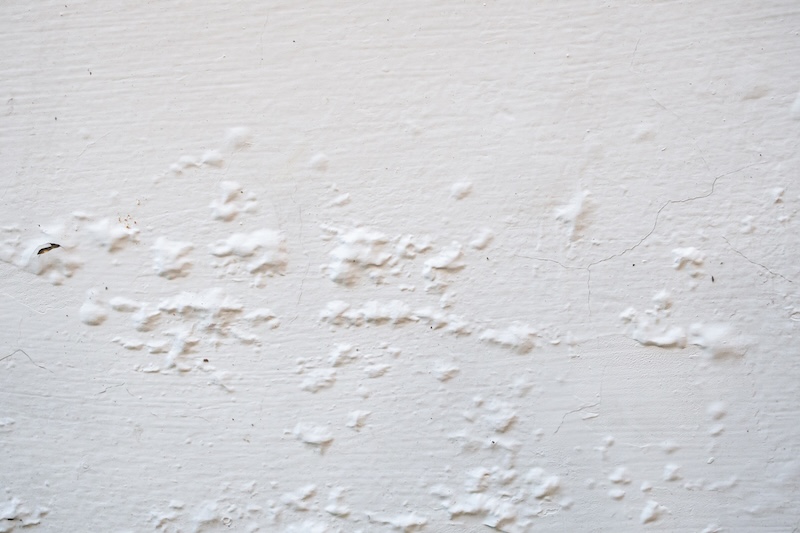
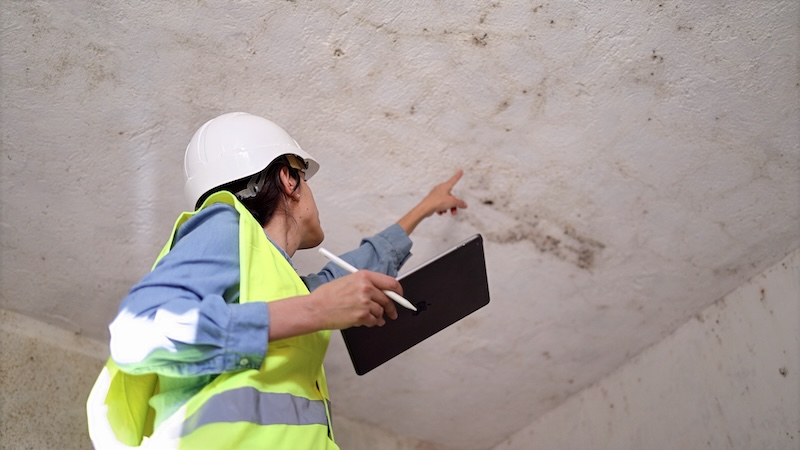 A swollen baseboard is more than an appearance issue when moisture remains behind the trim. Because water can travel through drywall, beneath flooring, and into concealed spaces, addressing the visible damage alone may leave the underlying problem unresolved.
If you’ve noticed swelling, bubbling paint, or deteriorating trim after a leak, Red Truck Disaster Response can help determine whether hidden moisture is involved. Our goal is to identify the affected materials, recommend appropriate restoration measures, and help prevent a manageable water damage problem from becoming a larger repair.
 About Red Truck Disaster Response in Boise, Idaho
Red Truck Disaster Response provides 24/7 emergency cleanup and disaster restoration services throughout Boise, Meridian, Eagle, Nampa, Garden City, Kuna, Star, and the surrounding Treasure Valley. Founded in 2016 and voted Idaho’s Best Disaster Response Company in 2025, Red Truck Disaster Response specializes in water damage restoration, mold remediation, sewage cleanup, crawlspace restoration, fire and smoke cleanup, reconstruction, and emergency cleanup. Our team responds quickly to assess damage, begin cleanup, and implement appropriate drying and restoration procedures.
This blog is for informational purposes only. If you have questions about your specific situation, we will be happy to come out and look at no charge. Inspections are always free.
