



 When water enters a home, most people focus on what they can see. Wet carpets. Damp drywall. Standing water on floors. Once those visible signs disappear, it’s tempting to believe the problem has been solved. In reality, the most important phase of water damage restoration often happens after the surface looks dry. We tackle more than the surface; we do structural drying.
Structural drying plays a critical role in protecting a home after water damage. Without it, moisture can remain trapped inside walls, subfloors, crawlspaces, and framing materials—creating conditions that may lead to long-term damage.
At Red Truck Disaster Response, structural drying often forms a key part of the restoration process following water intrusion, depending on the type of loss, materials affected, and moisture levels present. In most cases, we get to work within 45 minutes of your first call. We excel at emergency response, as our crews are on duty 24 hours a day, 7 days a week.
What Structural Drying Actually Means
Structural drying refers to the controlled removal of moisture from a building’s structural components. This may include framing, wall cavities, subfloors, insulation, and crawlspaces. The goal focuses on returning materials to a dry, stable condition that supports long-term structural integrity.
Drying doesn’t rely on time alone. Moisture trapped inside building materials often requires specialized equipment, airflow management, and monitoring to evaporate and remove water effectively.
Why Visible Dryness Can Be Misleading
 Water doesn’t stay where you expect it. It follows gravity, capillary action, and air movement. When water enters a structure, it often travels behind walls, beneath flooring, or into crawlspaces before anyone notices.
A surface may feel dry while deeper materials remain damp. That hidden moisture can:
- Weaken wood framing over time
- Compromise subfloor stability
- Degrade insulation effectiveness
- Contribute to odor development
- Increase the likelihood of microbial growth
Structural drying helps address moisture in places homeowners can’t easily access or evaluate on their own.
How Water Damage Commonly Occurs in Idaho Homes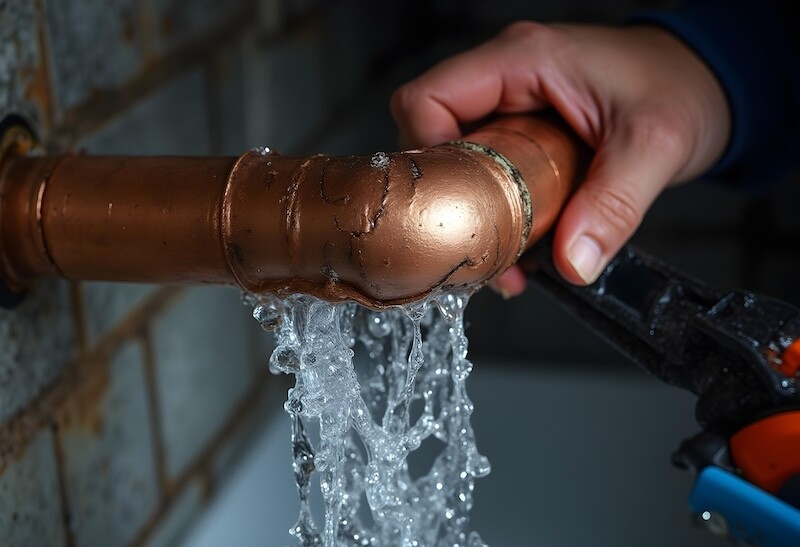
In the Treasure Valley, water damage often results from burst pipes, leaking supply lines, appliance failures, irrigation system issues, sewer backups, and crawlspace flooding. Seasonal temperature swings, frozen pipes, and rapid thaws frequently contribute to these events.
Once water enters the structure, it doesn’t always exit on its own. Even small leaks can release significant moisture over time.
Why Structural Drying Timing Matters After Water Intrusion
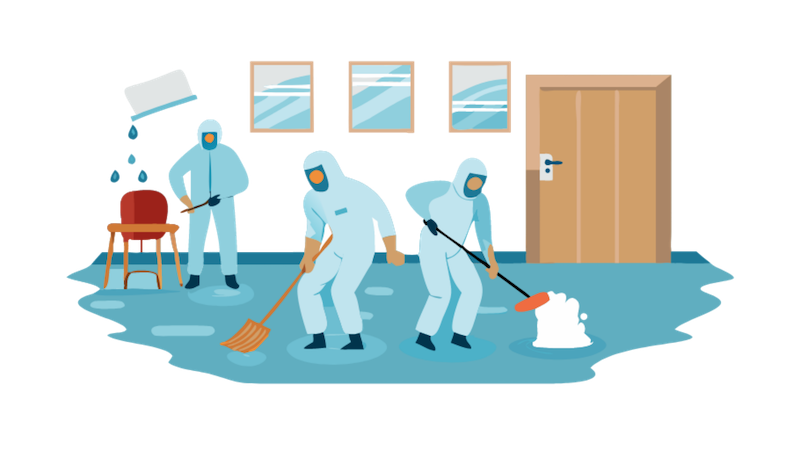 The first 24 to 72 hours after water exposure matter most. During that window, materials absorb moisture quickly. If drying doesn’t begin promptly, water can migrate deeper into structural components.
Structural drying typically works best when initiated early. However, even delayed drying may still help reduce moisture levels and prevent further deterioration, depending on conditions.
In most cases, Red Truck gets to work within 45 minutes of your first call. We excel at emergency response, as our crews are on duty 24 hours a day, 7 days a week.
What Structural Drying Typically Involves
Every loss differs, but structural drying often includes a combination of steps based on inspection findings.
These steps may include:
- Removing unsalvageable wet materials
- Establishing controlled airflow patterns
- Using dehumidification to reduce ambient moisture
- Applying targeted drying methods to affected areas
- Monitoring moisture levels throughout the process
Drying strategies usually adjust as materials respond, ensuring progress continues without over-drying or damage.
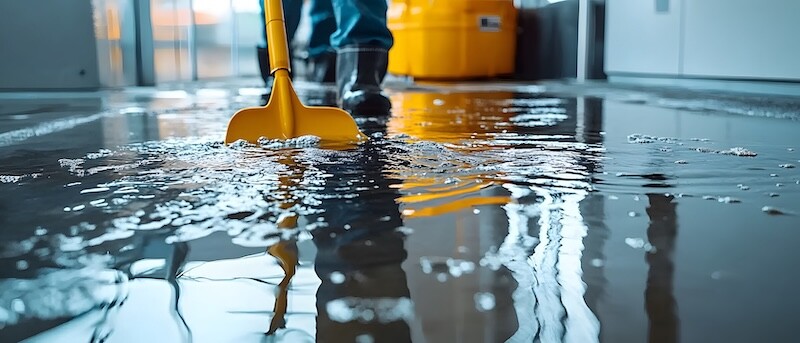 Why Drying Requires More Than Fans
Household fans alone rarely deliver effective structural drying. While they move air, they fail to remove moisture from the environment or pull water out of materials efficiently.
Professional drying equipment allows technicians to control temperature, airflow, and humidity simultaneously. That control supports steady evaporation and moisture removal rather than redistributing damp air throughout the home.
Moisture Monitoring Guides the Process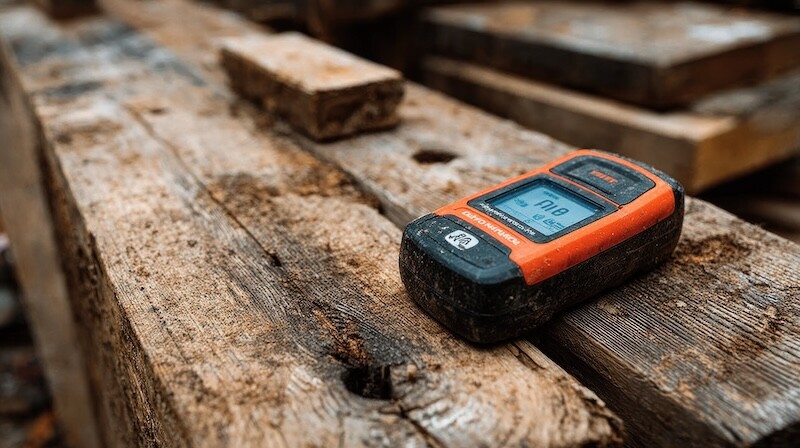
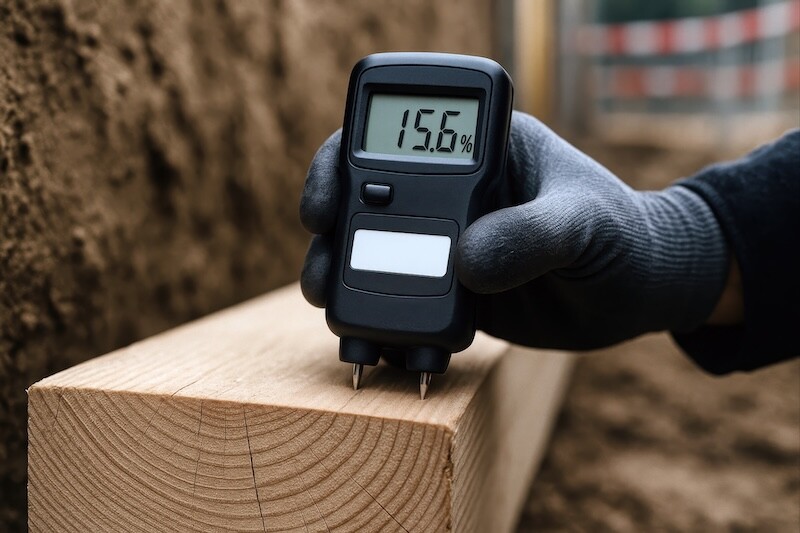
Structural drying relies on measurement, not guesswork. Moisture readings help determine where water remains and whether materials respond appropriately to drying efforts.
Monitoring often continues throughout the drying process. Adjustments may occur based on readings rather than a fixed timeline, since materials dry at different rates.
Crawlspaces and Structural Drying
Crawlspaces frequently require special attention. Water can collect under homes due to plumbing failures, groundwater intrusion, or irrigation system issues. Because crawlspaces remain enclosed and shaded, moisture may persist longer than in living areas.
Structural drying in crawlspaces often focuses on:
- Removing standing water
- Drying framing and subfloors
- Addressing saturated insulation
- Reducing ambient humidity
- Drying crawlspaces properly helps protect the structure above from long-term moisture-related issues.
Why Incomplete Drying Causes Problems Later
 Homes that skip or rush structural drying sometimes experience delayed issues weeks or months later. Warped flooring, odors, mold concerns, and secondary damage can emerge long after the initial cleanup.
Structural drying aims to reduce the chance of those outcomes by addressing moisture at its source rather than masking symptoms.
How Drying Fits Into the Bigger Restoration Picture
Structural drying rarely stands alone. It typically works alongside water extraction, material removal, and cleaning steps. The goal involves stabilizing the structure before repairs begin.
When drying completes successfully, repairs can proceed on a solid foundation rather than compromised materials.
Why Professional Evaluation Matters
Every water damage situation differs. Factors like material type, duration of exposure, water category, and building design influence drying needs.
Professional assessment helps determine whether structural drying is necessary and what approach typically works best. That evaluation protects homeowners from unnecessary work while ensuring critical steps don’t get overlooked.
How Red Truck Disaster Response Approaches 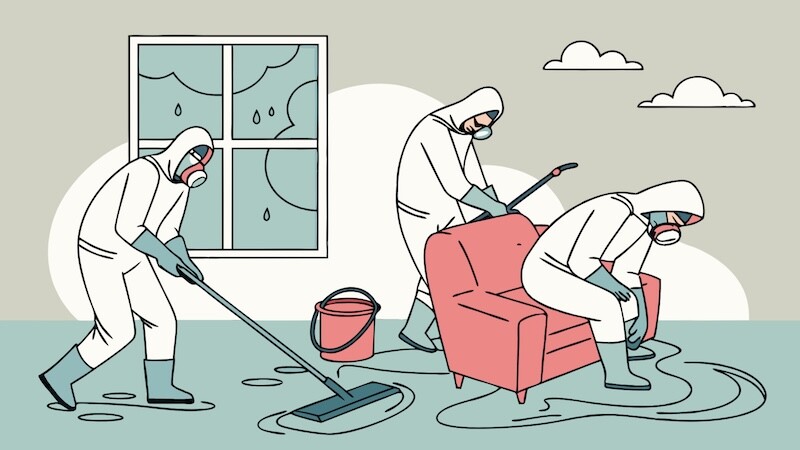
Red Truck Disaster Response often provides structural drying as part of a comprehensive restoration response. The team evaluates each loss individually and typically tailors drying strategies to the specific conditions present.
With experience handling crawlspace flooding, irrigation-related water damage, and interior water losses, we work to reduce disruption while addressing moisture concerns thoroughly.
Structural drying may not look dramatic, but it often determines whether a home truly recovers from water damage or continues to struggle beneath the surface.
Acting Before Hidden Damage Spreads
 Water damage doesn’t always demand immediate reconstruction. Sometimes it demands careful drying, monitoring, and patience. Addressing moisture early often prevents larger repairs later.
Structural drying helps bridge the gap between emergency response and long-term restoration—protecting homes, materials, and peace of mind. In most cases, we get to work within 45 minutes of your first call. We excel at emergency response, as our crews are on duty 24 hours a day, 7 days a week.
If you have need of structural drying and/or any other mitigation services, call Red Truck today!
About Red Truck Disaster Response in Boise, Idaho
Red Truck Disaster Response was established in 2016. Through our experience working for a national franchise, we have seen first-hand how larger companies fail to provide the level of customer service their clients need and deserve when we are going through a loss to their home. We started Red Truck and made the conscious decision to put service first. Our clients are our highest priority. With a focus on professional and supportive service and open communication, we help our clients restore both their homes and their lives after a disaster. We will work with any insurance company and can handle any size loss. If you face a loss of any kind, 24/7, call our hotline (208) 336-3853 and we’ll be happy to help!
This blog is for informational purposes only. If you have questions about your specific situation, we will be happy to come out and look at no charge. Inspections are always free.
