



 True Structural Restoration & Recovery
Homeowners often assume that once technicians remove standing water and walls feel dry to the touch, the structure “recovers.” In reality, moisture damage changes the internal chemistry and flexibility of wood, drywall, and subflooring. When materials dry too quickly or unevenly — which happens often during DIY attempts or rushed mitigation — the structure usually loses strength, density, elasticity, and long-term stability. That loss doesn’t come from mold alone. It comes from dehydration at the cellular level.
At Red Truck Disaster Response, we help homeowners protect framing, finishes, and subfloor systems during water losses. For this reason, thorough drying matters. When we monitor the moisture curve, and keep materials within healthy ranges, the home stays safer, stronger, and more stable for decades. Here’s how the science works.
Why “Dry to the Touch” Never Shows the Full Picture: Structural Restoration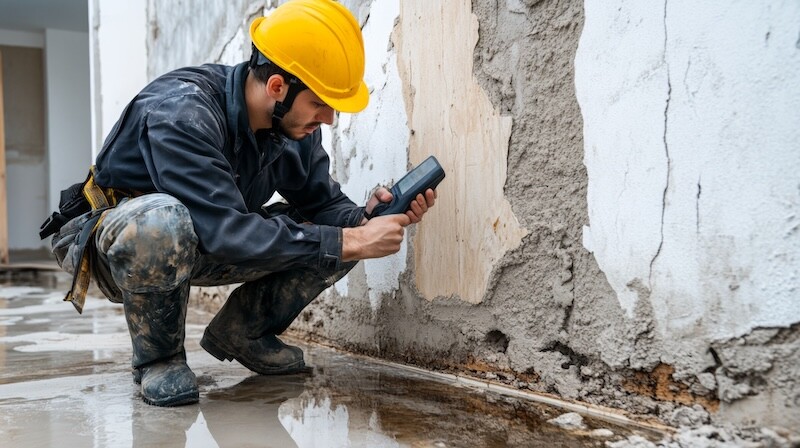
Water seeps into materials in different ways. Wood grains pull moisture into cells, drywall wicks water upward, and subfloors collect moisture between layers. The surface dries first, which creates a false sense of recovery. Inside, the structure usually holds far more water than people realize.
Moisture meters show the reality relative to strucural restoration:
- Wood framing generally needs 8–16% moisture content
• Subfloors typically stabilize around 10–12%
• Interior drywall often sits comfortably below 12%
When materials fall below their normal equilibrium ranges, they shrink, warp, split, or lose cohesive strength. When they stay above those ranges, they swell, soften, and grow mold. The science of structural recovery lives between these two extremes — not at the surface, but within the internal moisture curve.
 Over-Drying Wood Reduces Strength and Flexibility
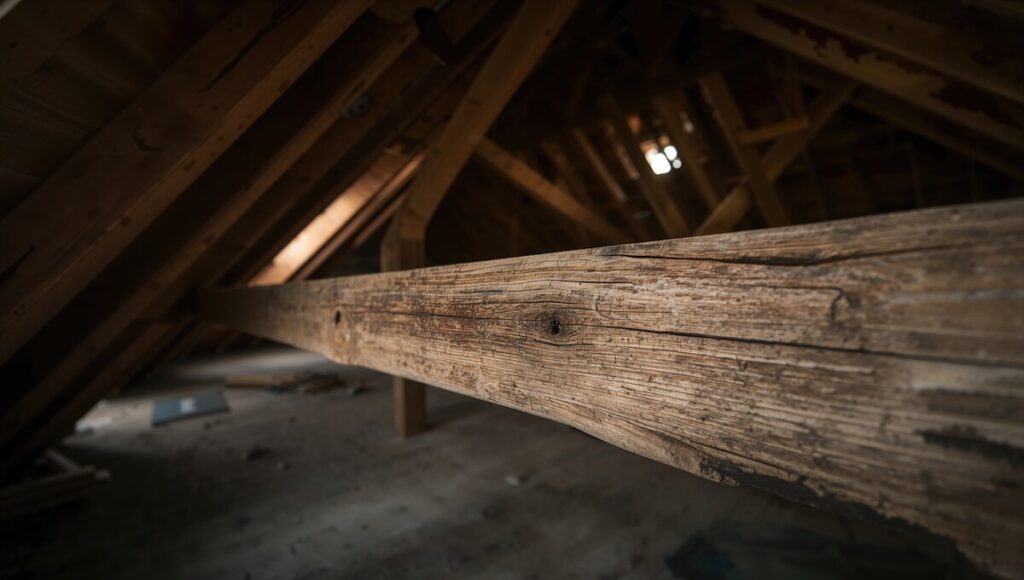
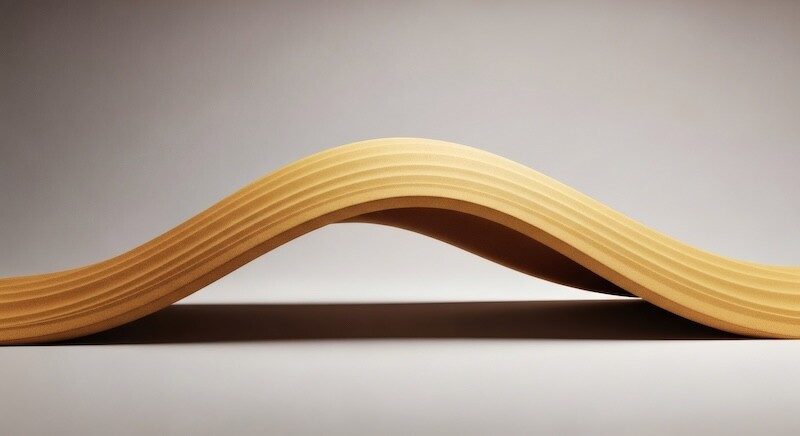
Wood acts like a living material, even long after it becomes framing lumber. It expands when it absorbs moisture and contracts when it dries. That movement usually protects it. When the drying process happens too quickly, the internal structure loses elasticity and forms micro-fractures.
Most homeowners never see the consequences immediately. Over-dried lumber often:
- Cracks along the grain
• Loses load-bearing resilience
• Pulls fasteners loose
• Warps studs, joists, or headers
• Creates long-term creaks and structural noise
• Transfers stress to drywall, trim, and floors
Rapid drying from oversized heaters, uncontrolled fans, or DIY dehumidifiers usually pulls water out of the outer shell faster than the inner fibers can release it. That uneven movement stresses the entire board. Controlled rehydration helps lumber return to its natural, flexible range so it performs normally again.
Drywall Loses Strength When Moisture Levels Drop Too Low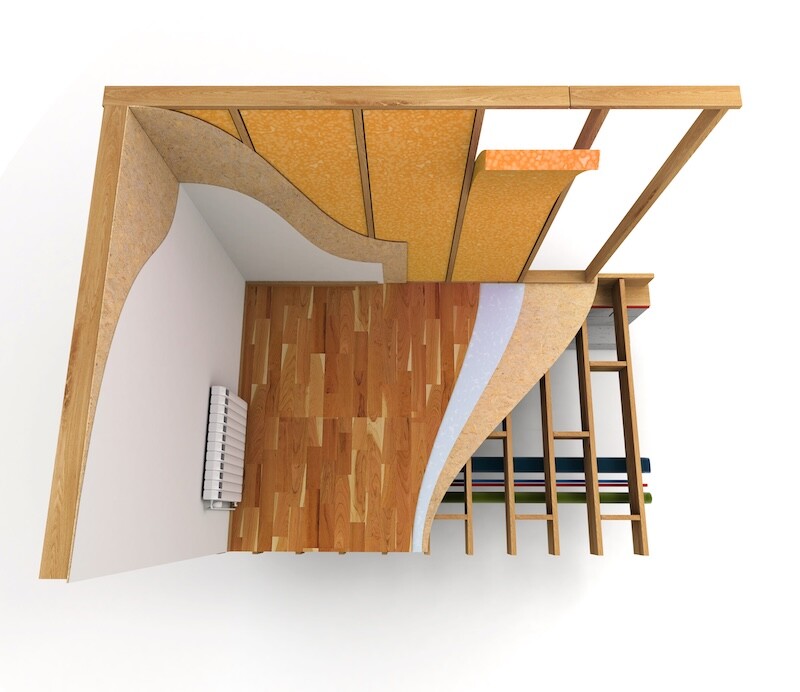
Drywall holds a gypsum core that stays strong only when it maintains its internal balance. When it dries too fast, the core often becomes chalky or brittle. Homeowners usually notice this months later through:
- Screw pops
• Minor surface cracking
• Flaking texture
• Soft corners
• Delamination inside seams
Sub-flooring Needs Moisture Balance to Prevent Structural Separation
Two-layer subfloor systems fail easily when they dry unevenly. Plywood and OSB panels contain adhesives that rely on internal moisture balance. When subfloors dry too fast, the glue lines weaken, edges curl, and nail or screw fasteners lose grip. Homeowners often discover:
- Squeaky floors
• Soft spots
• Uneven transitions
• Gaps under tile and LVP
• Weak points under load-bearing walls
Why Rushed Jobs Lead to Hidden Damage in Structural Restoration
Homeowners want fast results, especially during real estate transactions or holiday deadlines. Yet speed usually creates expensive long-term consequences. When technicians rush moisture removal, framing typically contracts unevenly, walls crack, and subfloors weaken.
Our team uses qualifiers intentionally here: this happens often but not always. Some structures tolerate rapid drying better than others. Still, most homes suffer when the process moves too quickly.
A careful, science-based structural restoration approach usually prevents:
- Mold recurrences
- Structural weakness
- Joint separation
- Warped trim and cabinetry
- Tile cracks
- Flooring failures months later
Slowing the drying process results in stronger long-term recovery than rushing for speed.
 Moisture Testing: The Backbone of Proper Structural Restoration
Moisture meters, thermal imaging, and pin-based probes give our team the data needed to guide every step. Without testing, no one can judge progress accurately. Touch, smell, and visual checks never reveal the internal condition of framing or sheathing.
Moisture testing helps us:
- Confirm hidden pockets of water
• Identify over-dried areas
• Track equilibrium across multiple layers
• Verify complete recovery before reconstruction
• Protect homeowners from mold, structural problems, and finish failures
Science directs the choices we make. Numbers, not guesses, determine the right course for every home.
If you want a team that understands the difference between drying and healthy drying, reach out to Red Truck Disaster Response. We guide homeowners through recovery with care, science, and the right balance of speed and protection.
About Red Truck Disaster Response in Boise, Idaho
Red Truck Disaster Response was established in 2016. Through our experience working for a national franchise, we have seen first-hand how larger companies fail to provide the level of customer service their clients need and deserve when we are going through a loss to their home. We started Red Truck and made the conscious decision to put service first. Our clients are our highest priority. With a focus on professional and supportive service and open communication, we help our clients restore both their homes and their lives after a disaster. We will work with any insurance company and can handle any size loss. If you face a loss of any kind, 24/7, call our hotline (208) 336-3853 and we’ll be happy to help! This blog is for informational purposes only. If you have questions about your specific situation, we will be happy to come out and look at no charge. Inspections are always free.
