



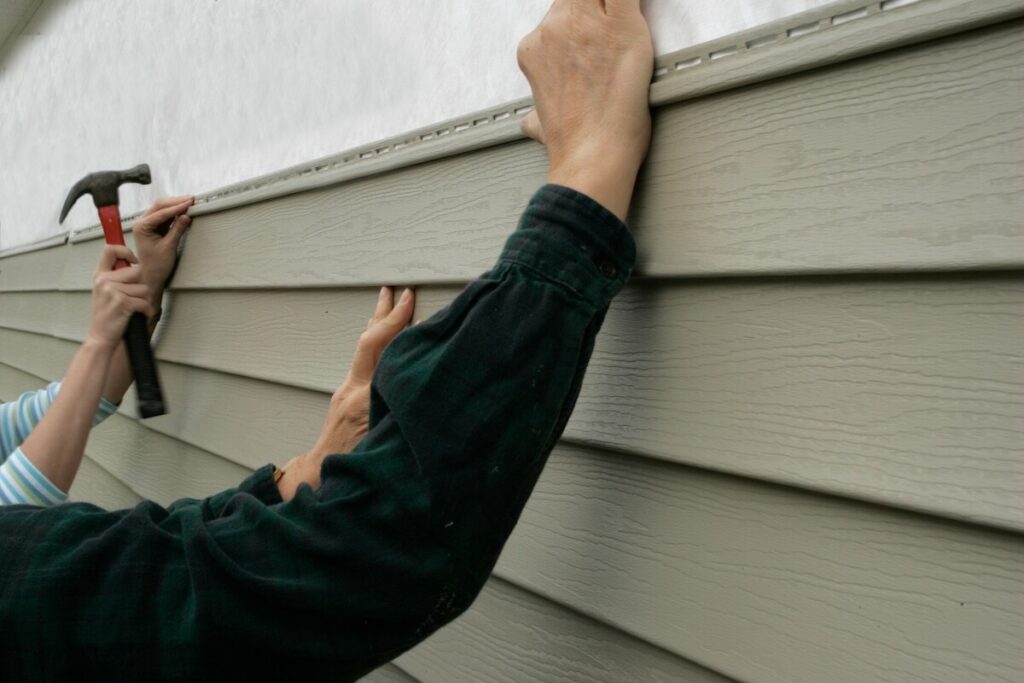
 How Improper Siding Installation Can Lead to Exterior Mold Growth in Boise Homes
When people think about mold, they usually picture bathrooms, basements, or crawlspaces. Most don’t realize that mold can begin on the exterior of a home—in many cases, the siding, which becomes visible inside. In the Boise area, we often see situations where siding installation plays a major role in how moisture behaves around a structure. When siding doesn’t manage water correctly, it can allow moisture to enter places it shouldn’t. Over time, that creates the right conditions for mold growth. This isn’t about alarm—it’s about understanding how homes work and how small construction details can influence long-term performance.
How Siding Should Protect Your Home
Siding does more than give a home its appearance. It acts as part of a system designed to control water.
A properly installed siding system should: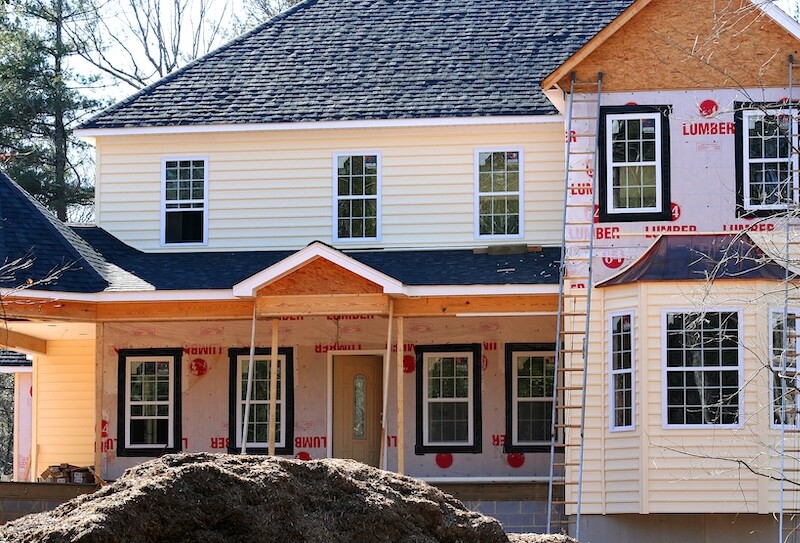
- Shed water away from the structure
- Allow moisture to drain and dry
- Protect underlying materials from prolonged exposure
Behind the siding, components like house wrap, flashing, and drainage planes help manage water that gets past the outer surface. When everything works together, moisture doesn’t linger.
What Happens When Siding Installation Falls Short
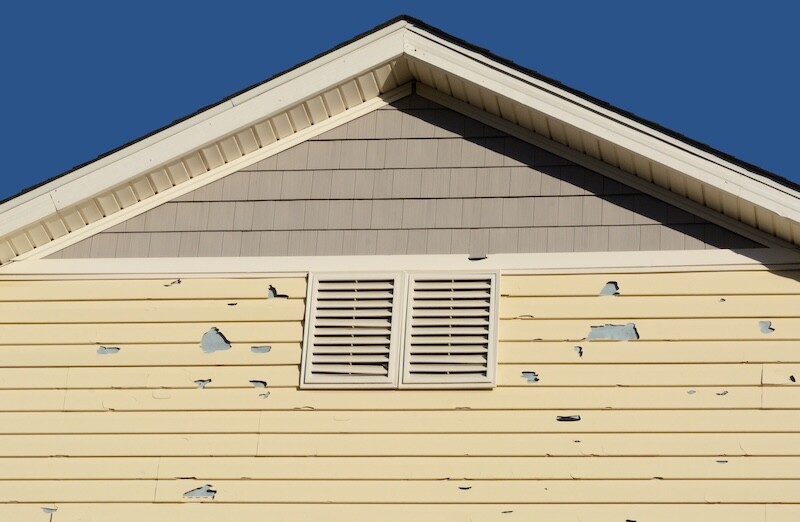 If siding gets installed incorrectly—or if key components get skipped—water can move behind the surface and stay trapped.
Some common issues include:
- Missing or improperly installed flashing
- Gaps around windows, doors, or seams
- Improper overlaps in siding materials
- Lack of a functional drainage plane
When water enters these areas, it doesn’t always dry quickly. Instead, it can sit against wood sheathing, framing, or insulation. Given enough time, that moisture can support mold growth.
Why Exterior Mold Often Goes Unnoticed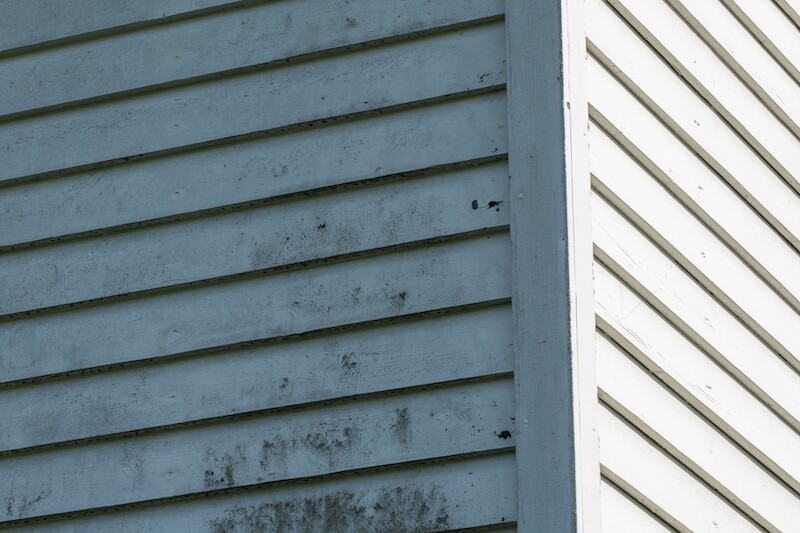
Exterior moisture problems don’t always show obvious signs right away. From the outside, siding can look completely normal. Meanwhile, behind the surface, conditions may slowly change. In some cases, property owners might notice:
- Subtle staining or discoloration
- Warping or soft spots in siding
- Musty odors near exterior walls
- Paint or finish beginning to fail prematurely
By the time these signs appear, moisture has usually been present for a while.
Boise’s Climate and Moisture Behavior
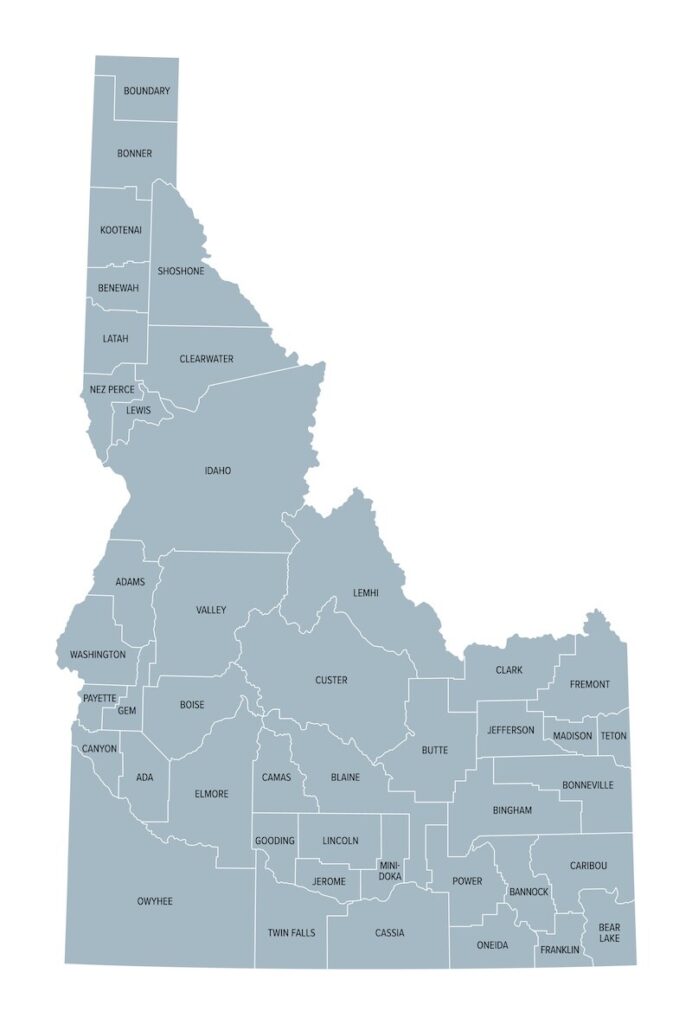 In Boise and across the Treasure Valley, seasonal changes can influence how moisture affects a home.
We see:
- Rain and irrigation exposure during warmer months
- Temperature swings that affect drying cycles
- Periods where shaded areas stay damp longer
These conditions don’t cause problems on their own. But when water enters areas that can’t dry properly, they can contribute to ongoing moisture exposure.
How Mold Can Develop Behind Siding
Mold doesn’t need extreme conditions to grow. It needs:
- Moisture
- Organic material (like wood or dust)
- Time
When siding allows water intrusion, those elements can come together behind the surface. In situations like this, we often find that mold develops gradually rather than suddenly. It can start in small areas and expand if moisture continues to enter and remain trapped.
Why Early Awareness Matters
Most exterior moisture issues don’t require major intervention if caught early. Before they turn into larger problems, property owners should stay aware of how their siding acts as the first layer of defense against exterior moisture protection. Make sure your construction team addresses:
- Minor installation flaws
- Sealant or flashing issues
- Drainage concerns
If moisture continues unchecked, the impact can extend beyond siding into structural components or interior spaces.
When to Take a Closer Look
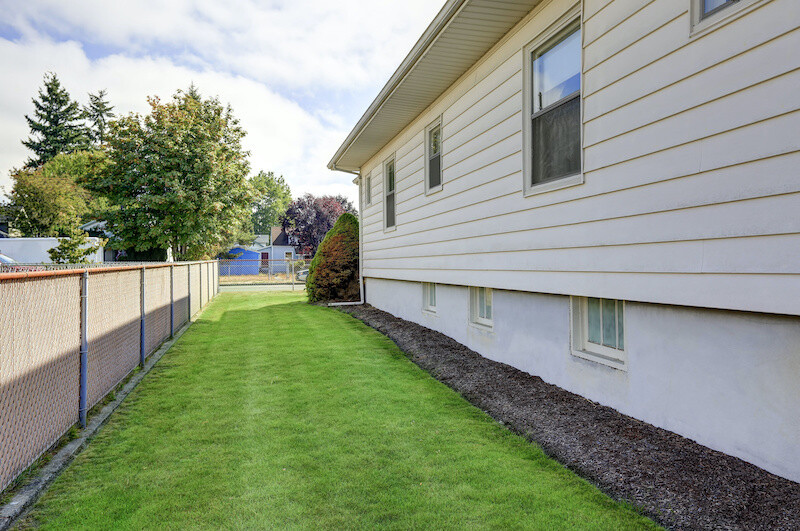 You don’t need to assume the worst, but certain situations make it worth taking a closer look:
- Recent siding installation or repairs
- Persistent moisture exposure from sprinklers or landscaping
- Visible changes in siding condition
- Concerns about water entering around windows or seams
In these cases, a professional evaluation can help determine whether moisture is behaving the way it should.
Where We Fit Into the Process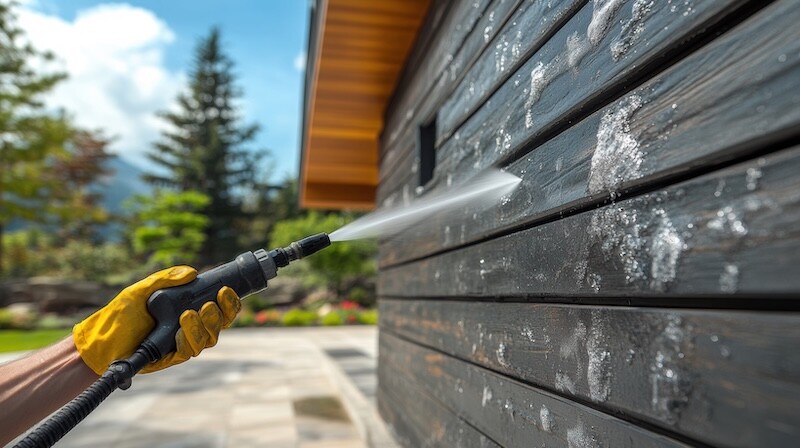
At Red Truck Disaster Response, we don’t install siding or exterior systems for new construction. However, we can do reconstruction when moisture intrusion affects a structure. In fact, when conditions allow mold or water damage to develop, we typically:
- Assess moisture levels in affected areas
- Identify how far the issue has spread
- Perform drying and remediation when needed
- Address the source
Every situation differs, so we approach each project based on what we find during inspection. Our goal focuses on helping restore affected areas while supporting the overall solution. And whether we handle all of the work ourselves or bring on other professionals to help, the important thing is that you won’t have to worry. We will thoroughly assess and address the issue.
A Practical Approach to Exterior Moisture Awareness
Homes and buildings rely on layers of protection working together. When one part—like siding installation—doesn’t perform as intended, moisture can behave differently than expected. That doesn’t mean every siding issue leads to mold. But it does highlight the importance of proper installation and ongoing awareness.
If you have questions about how moisture might be affecting your home, or if you’ve noticed changes that don’t seem right, we’re always happy to take a look and offer guidance. A simple evaluation can provide clarity and help you decide on next steps. Inspections are free.
About Red Truck Disaster Response in Boise, Idaho
 Red Truck Disaster Response was established in 2016. Through our experience working for a national franchise, we have seen first-hand how larger companies fail to provide the level of customer service their clients need and deserve when we are going through a loss to their home. We started Red Truck and made the conscious decision to put service first. Our clients are our highest priority. With a focus on professional and supportive service and open communication, we help our clients restore both their homes and their lives after a disaster. We will work with any insurance company and can handle any size loss. If you face a loss of any kind, 24/7, call our hotline (208) 336-3853 and we’ll be happy to help!
This blog is for informational purposes only. If you have questions about your specific situation, we will be happy to come out and look at no charge. Inspections are always free.
