




 The Damage You Don’t See Can Be the Worst Part of a Roof Leak
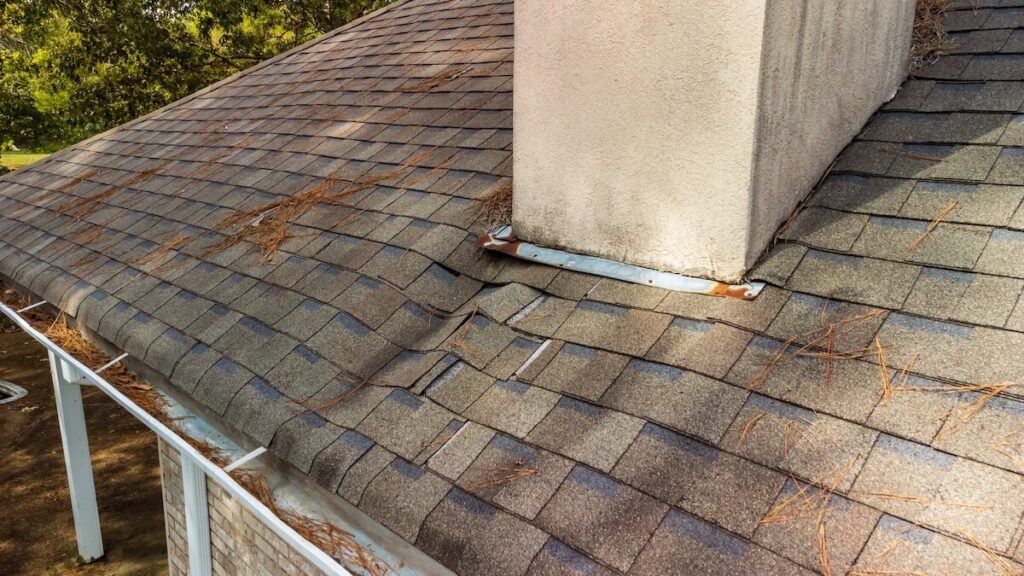
After a relatively dry winter, we are finally dealing with rainstorms across the Treasure Valley. As a result? Roofs leak. Unfortunately, a roof leak rarely stays “just a roof problem.” In most cases, what starts as a small intrusion at the top of your home quickly becomes a multi-layer issue affecting insulation, drywall, flooring, and even structural components. And while the visible damage gets attention first, the real concern often develops in the hidden spaces most homeowners never see.
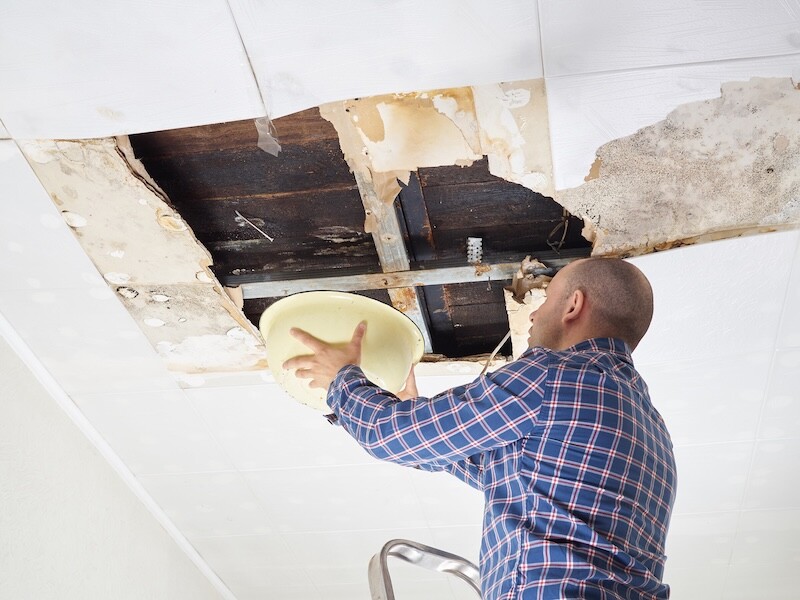
We often get calls where someone notices a ceiling stain or a drip during a storm. By the time we arrive, water has already moved far beyond that original entry point.
How Water Travels After a Roof Leak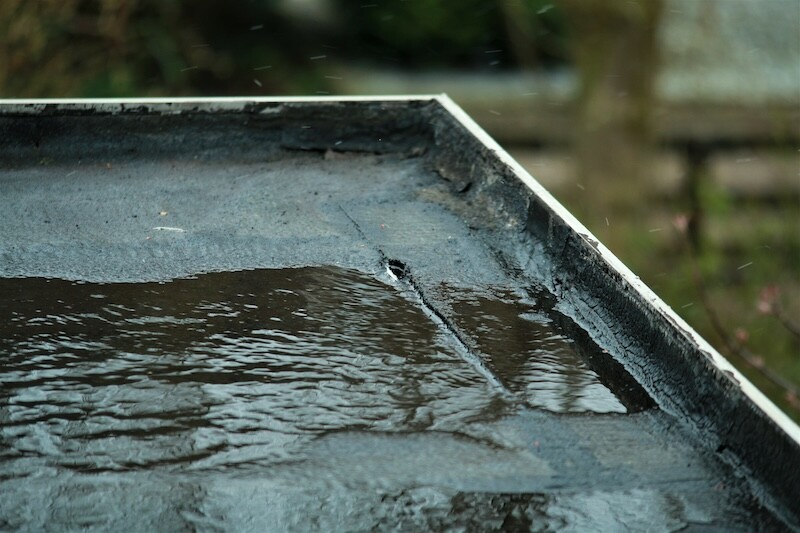
Water does not stay where it enters. Once it penetrates your roofing system, it typically follows the path of least resistance. That usually means:
- Running along roof decking
- Following rafters or trusses
- Soaking into insulation
- Dripping into ceiling cavities
- Spreading across drywall seams
- Eventually reaching flooring systems below
In many situations, we find that the visible ceiling stain sits several feet away from where the water actually entered the home. That’s why simply patching the roof does not resolve the full problem.
 Attic Spaces: Where Hidden Damage Begins
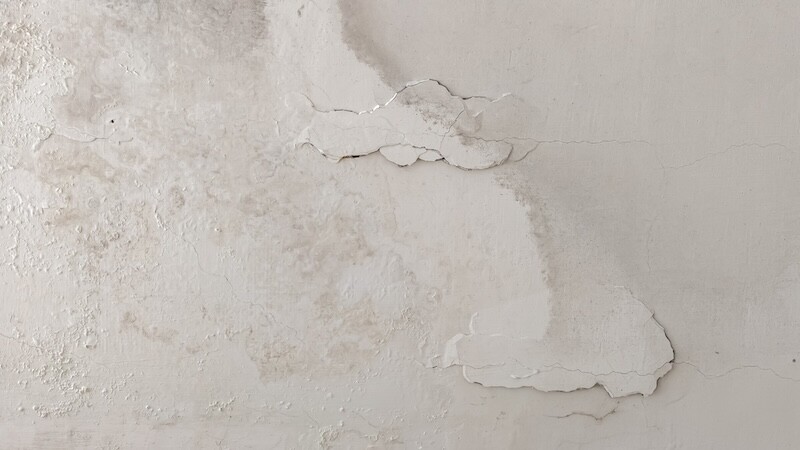
Attics often hold the most overlooked damage after a roof leak.
Because these spaces remain out of sight, moisture can sit in insulation and wood framing for extended periods without detection. We typically find:
- Saturated blown-in or batt insulation
- Damp roof sheathing
- Moisture trapped between rafters
- Early-stage mold growth on wood surfaces
Insulation, in particular, creates a problem. Once it absorbs water, it loses its thermal performance and can hold moisture against surrounding materials. We often recommend removing affected insulation because drying it in place does not reliably restore its function or prevent future issues.
Ceiling and Drywall Damage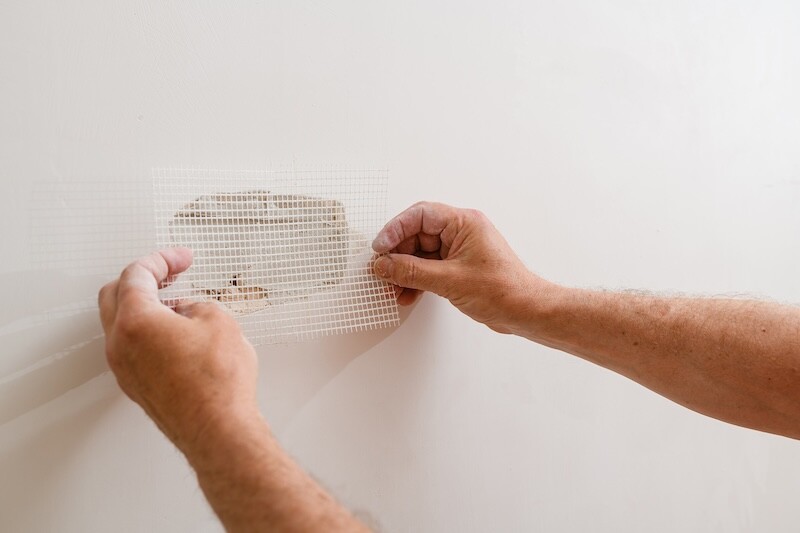
By the time water reaches the interior ceiling, the situation has usually progressed further than it appears.
Common signs include:
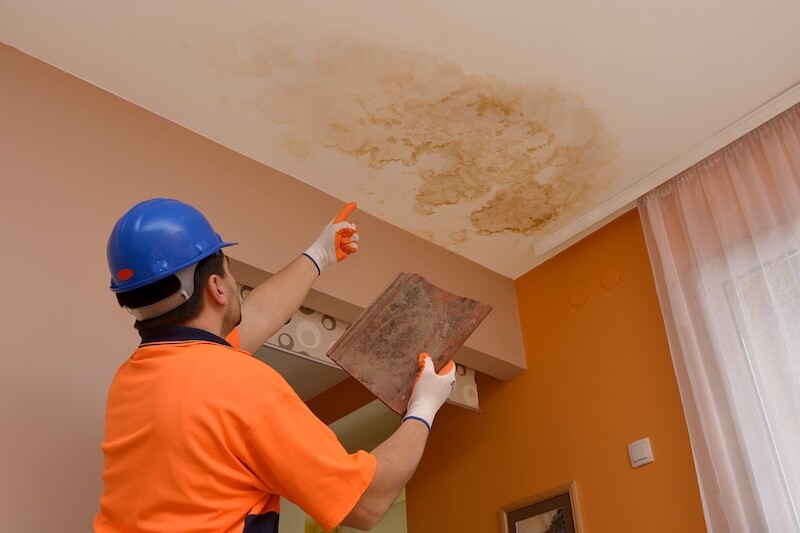
- Staining or discoloration
- Bubbling or peeling paint
- Soft or sagging drywall
- Cracks forming along seams
Drywall absorbs water quickly. Once saturation occurs, the material weakens and can begin to break down structurally. We typically evaluate whether sections can be dried in place or whether removal makes more sense based on how long the material has remained wet.
Flooring and Lower-Level Impact
 If the leak continues long enough, water often reaches flooring systems below.
This can affect:
- Hardwood floors (cupping or warping)
- Carpet and pad (moisture retention and odor)
- Subflooring (swelling or deterioration)
In multi-story homes, we sometimes see water travel all the way to the first floor from a roof leak, especially when it follows framing cavities inside walls. At that point, what started as a roof issue becomes a whole-home moisture problem.
The Problem With “Dry to the Touch”
One of the most common misunderstandings we see involves materials that feel dry on the surface. Just because something feels dry does not mean it is actually dry internally.
We often use moisture meters and thermal imaging to locate:
- Moisture trapped behind drywall
- Damp insulation inside cavities
- Hidden wet areas in subflooring
- Elevated humidity levels in enclosed spaces
We typically find pockets of moisture long after visible signs appear to have resolved. Without proper drying, those hidden areas can lead to:
- Odor development
- Material deterioration
- Mold growth over time
Why Attic Moisture Is Especially Tricky
 Attics create a unique drying challenge.
They tend to have:
- Limited airflow in certain areas
- Temperature fluctuations
- Insulation that traps moisture
- Tight framing cavities
We often have to set up targeted drying systems that move air across affected materials while controlling humidity levels. In some cases, we will also recommend removing sections of insulation or opening up small areas to allow proper airflow.
Timing Matters More Than Most People Realize
Water damage changes quickly. Within the first 24 hours, moisture begins spreading into porous materials. Over the next couple of days, materials start to break down, and microbial growth becomes more likely. That’s why we usually emphasize early action. The sooner we can assess and begin drying, the more materials we can often save.
Waiting—even if the leak seems minor—typically increases both the scope of work and the cost of restoration.
When Specialized Methods Make Sense (And When They Don’t)
There are advanced restoration methods used in certain environments, including techniques like freeze drying. We’ve seen those methods used on large-scale projects across the country, particularly in places like:
- Museums
- Libraries
- Archival record facilities
- High-value document storage environments
Those situations involve unique materials and budgets that justify highly specialized approaches. In residential settings, however, those methods rarely apply. The focus stays on practical, effective drying and restoration techniques that address the structure of the home.
We always match the solution to the situation rather than forcing a method that doesn’t make sense for the property.
What We Focus on During a Roof Leak Response
When we respond to a roof-related water loss, we typically prioritize:
- Identifying how far the water has traveled
- Locating all affected materials—not just visible ones
- Measuring moisture levels throughout the structure
- Setting up targeted drying systems
- Removing materials that cannot be effectively dried
Every home behaves a little differently depending on construction style, insulation type, and how long the leak has been active. That’s why we approach each situation with a free detailed inspection rather than assumptions.
Why a Small Leak Can Turn Into a Large Restoration
We often hear homeowners say, “It’s just a small leak.”
In reality, the size of the entry point does not determine the extent of the damage. A slow, steady leak over time can cause more widespread issues than a sudden, obvious intrusion. Because water spreads quietly through hidden pathways, the true scope often remains unknown until we perform a full inspection.
Getting Ahead of the Damage
If you suspect a roof leak—even if it seems minor—it’s worth having it evaluated sooner rather than later.
We can usually identify whether:
- Moisture has spread beyond the visible area
- Insulation or drywall has been affected
- Hidden drying is necessary
- Additional repairs may be needed
Catching the issue early can significantly reduce the overall impact on your home. If you’ve noticed staining, odors, or signs of moisture after a storm, give us a call. We can come out, take a look, and help you understand exactly what’s going on—no charge for the inspection.
About Red Truck Disaster Response in Boise, Idaho
Red Truck Disaster Response was established in 2016. Through our experience working for a national franchise, we have seen first-hand how larger companies fail to provide the level of customer service their clients need and deserve when we are going through a loss to their home. We started Red Truck and made the conscious decision to put service first. Our clients are our highest priority. With a focus on professional and supportive service and open communication, we help our clients restore both their homes and their lives after a disaster. We will work with any insurance company and can handle any size loss. If you face a loss of any kind, 24/7, call our hotline (208) 336-3853 and we’ll be happy to help!
This blog is for informational purposes only. If you have questions about your specific situation, we will be happy to come out and look at no charge. Inspections are always free.
