



 How Fast Does Mold Actually Grow After Water Damage?
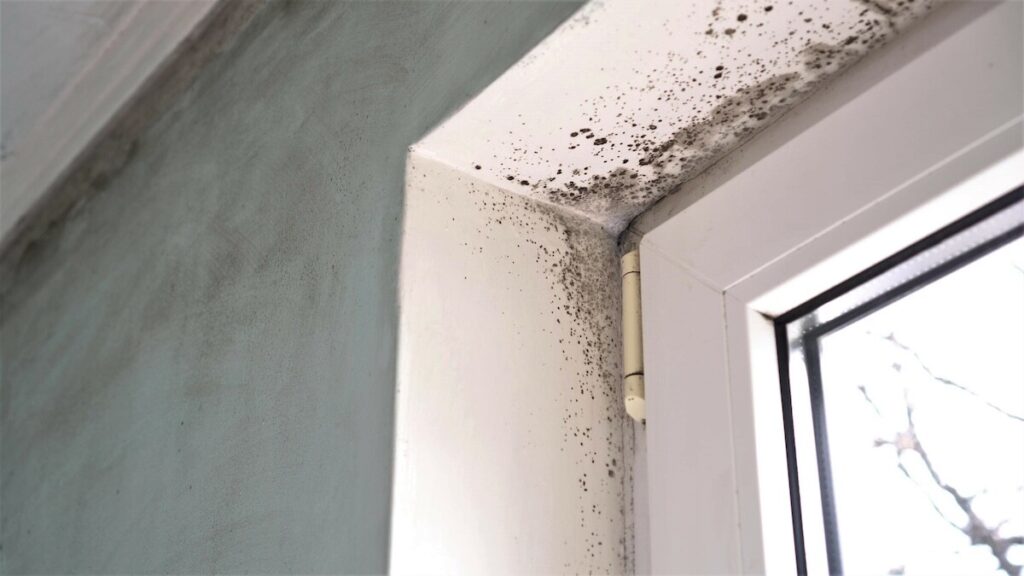
Few questions create more concern after a plumbing leak, appliance failure, roof leak, or flood than this one: “How fast does mold grow?” Unfortunately, however, homeowners often hear conflicting information relative to this question. Some sources suggest mold begins growing immediately, while others claim it takes weeks before it becomes a concern. The reality is more nuanced. Mold growth is certainly possible after water damage. But the timeline often depends on several factors, including the amount of moisture present, the materials affected, airflow conditions, temperature, humidity levels, and how quickly drying begins.
At Red Truck Disaster Response, we believe homeowners and commercial property owners make better decisions when they understand the science behind water damage. Rather than relying on scare tactics, it helps to understand why mold develops, what conditions may contribute to growth, and what steps can often be taken to reduce the risk before a minor leak becomes a larger restoration project.
 Why Mold Growth Needs More Than Just Water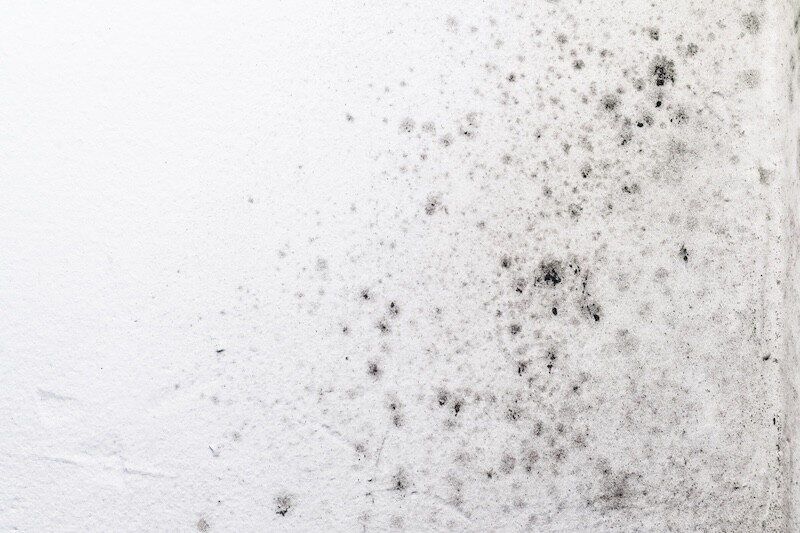
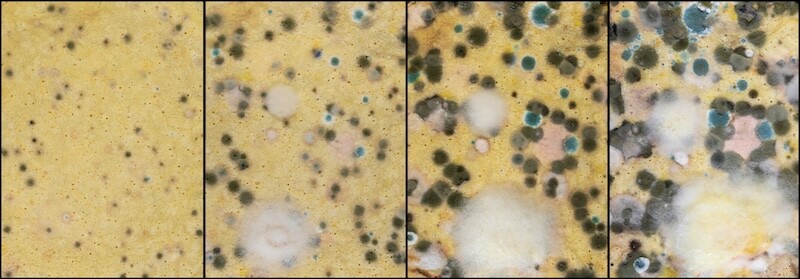
One of the biggest misconceptions about mold is that moisture alone automatically creates a mold problem. While water is certainly a critical ingredient, mold growth typically requires several conditions to come together. Mold spores are already present in the environment both indoors and outdoors. In fact, they are constantly circulating through the air and settling on surfaces throughout homes and businesses. Under normal circumstances, those spores may never become a problem. However, when moisture becomes available and remains present long enough, conditions may become favorable for growth.
Most homes and commercial buildings contain plenty of materials that can serve as food sources for mold. Drywall, wood framing, carpet backing, insulation, paper products, dust, and certain adhesives may all contribute to the process. As a result, water damage that is not thoroughly dried can sometimes create an environment where mold begins to develop. On the other hand, moisture that is identified and removed quickly may never lead to mold concerns at all. This is one reason why prompt action after a leak is often so important.
 Does Mold Growth Occur Within 24 Hours?
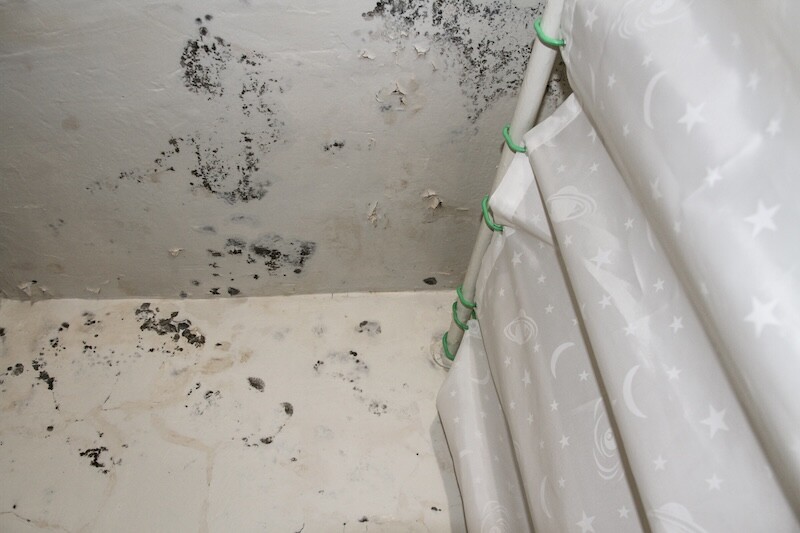
This is one of the most common questions homeowners ask after discovering water damage. The answer is that mold spores may begin responding to moisture relatively quickly. But visible mold growth typically takes longer to develop. In many situations, microbial activity may begin within the first 24 to 48 hours when moisture remains present. However, the appearance of visible mold colonies often depends on numerous environmental factors.
The type of material involved can make a significant difference. For example, porous materials such as drywall, carpet, insulation, and wood products may retain moisture longer than hard surfaces. Likewise, warm temperatures and elevated humidity levels may contribute to conditions that support growth. Because so many variables are involved, it is difficult to predict an exact timeline for every situation. What restoration professionals do know is that the first few days after water damage are often critical because this is when drying efforts can have the greatest impact on reducing future concerns.
What Conditions Make Mold Growth More Likely After a Leak?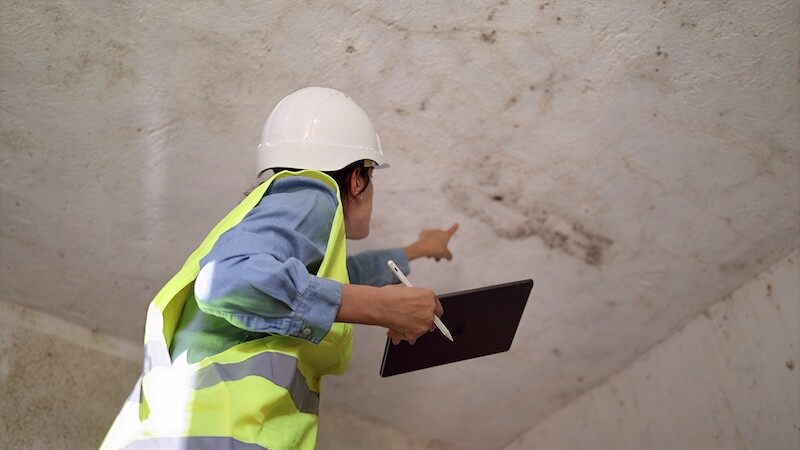
Although every property loss is different, certain conditions often increase the likelihood of mold development. Hidden moisture is one of the biggest concerns. Water rarely stays where it first appears. Instead, it may migrate behind walls, beneath flooring, into insulation, or into crawl spaces where it is difficult to see. Because these areas are often out of sight, moisture may remain present far longer than homeowners realize.
Limited airflow can create additional challenges. Areas with poor ventilation typically dry more slowly, allowing damp materials to remain wet for extended periods. High indoor humidity can also slow the drying process even after standing water has been removed. This is why professional restoration efforts often focus on more than simply extracting water. Dehumidification, air movement, and moisture monitoring frequently play an important role in helping materials dry as thoroughly as possible.
The type of water event matters as well. A small spill that is cleaned up quickly may present very little risk, while a larger leak that remains unnoticed for days may create much different conditions. The longer moisture remains trapped within building materials, the greater the potential for secondary damage, including mold growth.
Why a Surface May Look Dry Even When It Isn’t
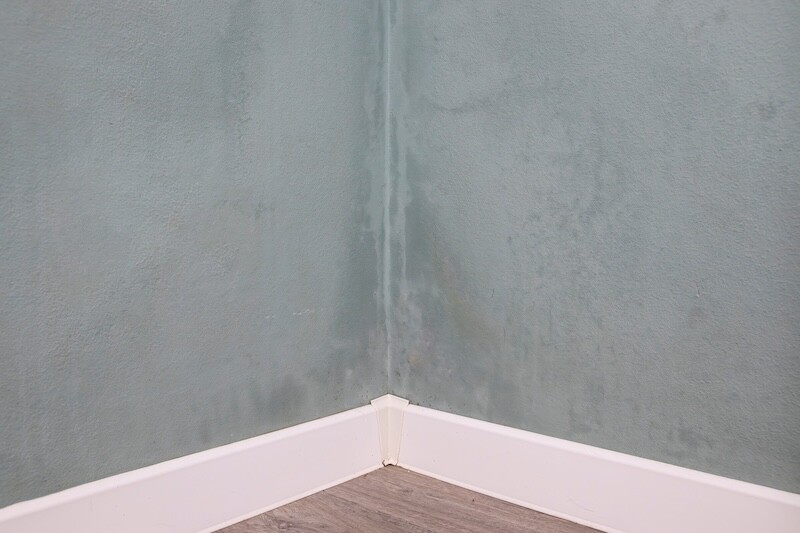 One of the most common mistakes homeowners and commercial property owners make after a water loss is assuming that a surface is dry simply because it feels dry to the touch. Unfortunately, moisture often travels into areas that cannot be evaluated through a simple visual inspection. Water may soak into wall cavities, migrate beneath flooring, saturate insulation, or collect in structural materials long after visible standing water has disappeared.
This is one reason professional moisture detection equipment can be so valuable. Moisture meters, thermal imaging cameras, and other specialized tools may help identify moisture that remains hidden within the structure. Without this type of evaluation, homeowners may believe a problem has resolved itself when moisture is still present behind the scenes. In many situations, identifying and addressing hidden moisture early can help reduce the likelihood of more extensive restoration needs later.
Can Mold Growth Be Stopped Before It Starts?
In many situations, prompt drying efforts may significantly reduce the conditions that contribute to mold growth. The goal is not simply removing visible water but also addressing the moisture that may remain trapped inside building materials. Water extraction, dehumidification, controlled airflow, and ongoing moisture monitoring are often used together to help materials dry as completely as possible.
That does not mean every water loss automatically requires mold remediation. In fact, many water damage situations can be stabilized and dried successfully before mold becomes an issue. The key factor is often how quickly the drying process begins and whether hidden moisture is identified before it has an opportunity to remain trapped for an extended period. While no restoration professional can guarantee mold will never develop, prompt action frequently improves the likelihood of a positive outcome.
What Should Homeowners Do After Discovering Water Damage & Suspecting Mold Growth?
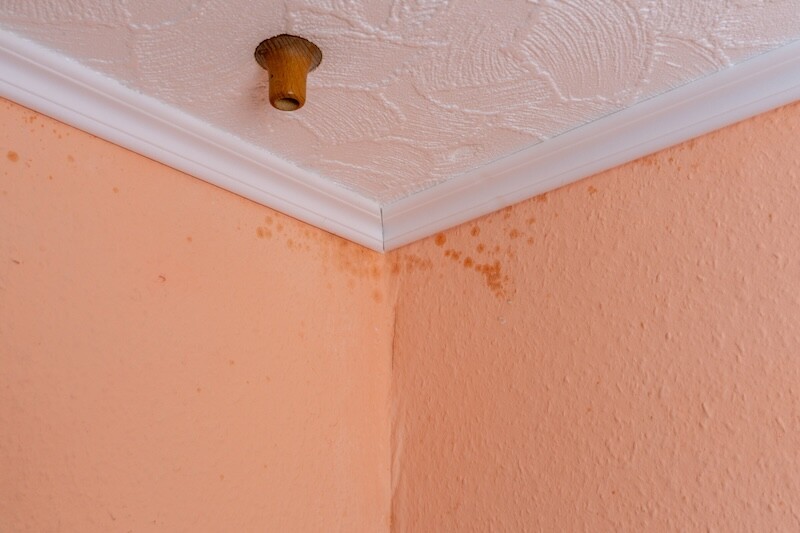 If water damage is discovered in a home or commercial building, the first priority is typically stopping the source of the water if it is safe to do so. Once the source has been addressed, documenting the damage and beginning the drying process as quickly as possible may help reduce both structural damage and the potential for mold growth. While some minor water incidents may dry without complications, larger leaks, appliance failures, roof leaks, and flooding events often benefit from a professional evaluation because hidden moisture is not always obvious.
Perhaps the most important takeaway is that water damage is often more complex than it appears on the surface. Moisture can travel in unexpected directions and remain trapped in areas homeowners rarely inspect. Understanding where that moisture has gone is frequently one of the most important steps in determining whether additional restoration efforts are needed.
Understanding the Real Risk
Mold growth after water damage is a legitimate concern, but it is not inevitable. The conversation is less about panic and more about understanding how moisture behaves inside a structure. Time matters. Airflow matters. Humidity matters. Most importantly, thoroughly drying affected materials often plays a major role in reducing the conditions that support mold growth.
When homeowners and commercial property owners understand the relationship between water, moisture, and mold, they are often better equipped to protect their property and make informed decisions after a leak or flood. In many situations, addressing water damage promptly may significantly reduce the likelihood of long-term problems while helping preserve the condition of the home.
About Red Truck Disaster Response in Boise, Idaho
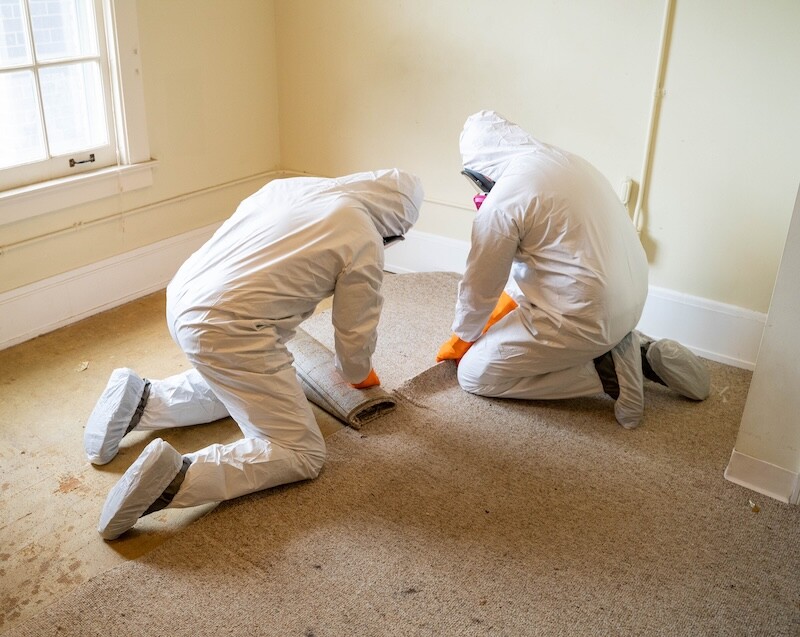 Red Truck Disaster Response provides 24/7 emergency restoration services throughout Boise, Meridian, Eagle, Nampa, Caldwell, Kuna, Star, and surrounding Idaho communities. Since 2016, our team has helped homeowners and businesses recover from water damage, flooding, sewage backups, fire damage, mold concerns, crawl space issues, and other property emergencies. Using professional drying equipment, moisture detection technology, and proven restoration methods, we work to restore properties as quickly as possible while helping reduce the risk of additional damage. Named Idaho’s Best Disaster Response Company for 2025, Red Truck Disaster Response is available around the clock when emergencies happen.
This blog is for informational purposes only. If you have questions about your specific situation, we will be happy to come out and look at no charge. Inspections are always free.
