




 What Happens to Insulation After Water Damage?
When most homeowners discover water damage, their attention naturally goes to the obvious problems. They notice wet carpet, stained ceilings, warped flooring, or standing water in the basement. However, one of the most important areas is often completely hidden from view. Insulation.
Whether it’s tucked inside walls, spread across an attic, or installed beneath the floor in a crawlspace, insulation is designed to help regulate your home’s temperature—not withstand prolonged exposure to water. Once it becomes wet, its performance may change dramatically, and in some situations, hidden moisture can remain long after visible surfaces appear dry.
Does wet insulation always need to be replaced? Not necessarily. The answer often depends on the type of insulation, how much water it absorbed, where it’s located, and how quickly the situation is addressed.
Why Water and Insulation Don’t Always Mix: Insulation After Water Damage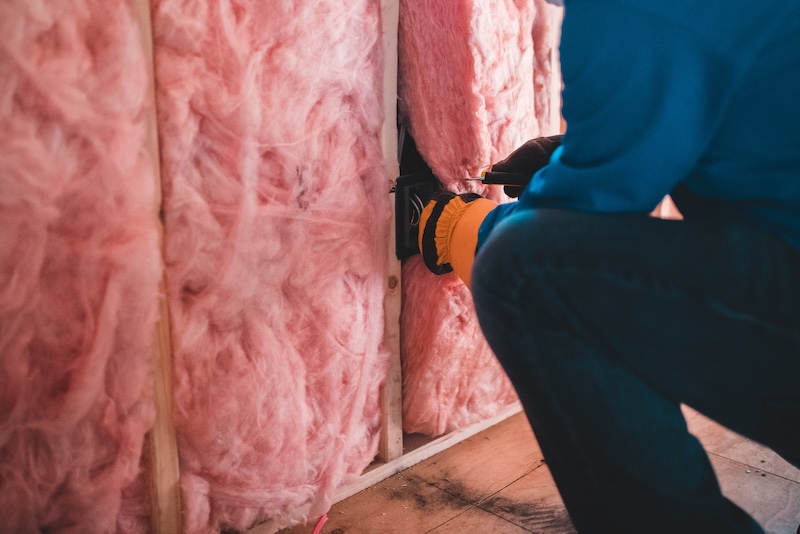
Insulation works by trapping tiny pockets of air that slow the transfer of heat. When those air pockets become filled with water, the insulation often loses much of its ability to do its job. Even after some materials appear dry on the surface, moisture can remain trapped deep within the insulation or surrounding building materials.
As a result, homeowners and commercial property owners may unknowingly experience:
- Reduced energy efficiency
- Longer HVAC run times
- Hidden moisture behind walls
- Increased humidity
- Conditions that may support mold growth
Because these changes often occur out of sight, insulation damage can easily be overlooked after a water loss.
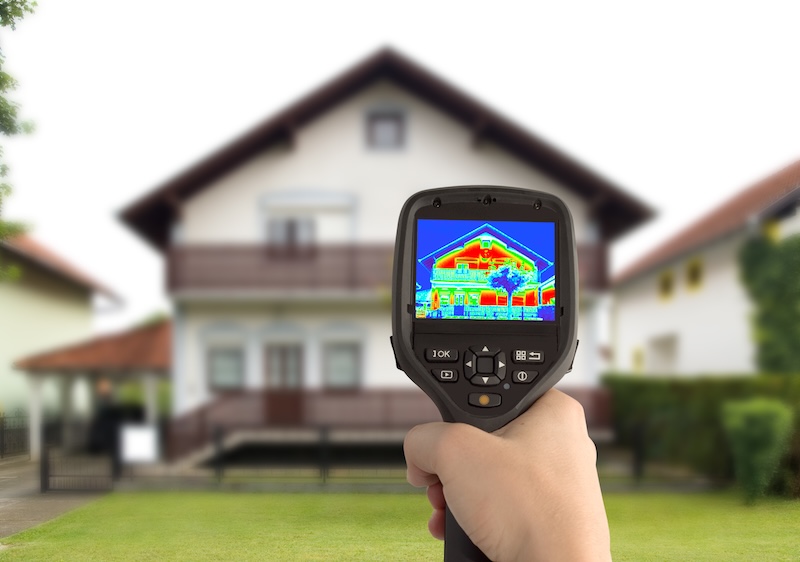 Can Wet Fiberglass Insulation Be Saved?
Fiberglass insulation is one of the most common insulation materials found in Idaho homes and commercial buildings.Fiberglass itself doesn’t absorb water the way a sponge does. However, the spaces between the fibers can hold significant amounts of moisture. If the insulation becomes compressed, flattened, or contaminated by dirty water, it often loses much of its insulating value.
In some situations, fiberglass insulation may be dried successfully if it became wet from a clean water source and the drying process begins quickly. In other situations, replacement may be the more appropriate solution. The condition of the surrounding framing and drywall also plays an important role in determining the best course of action.
What About Cellulose Insulation?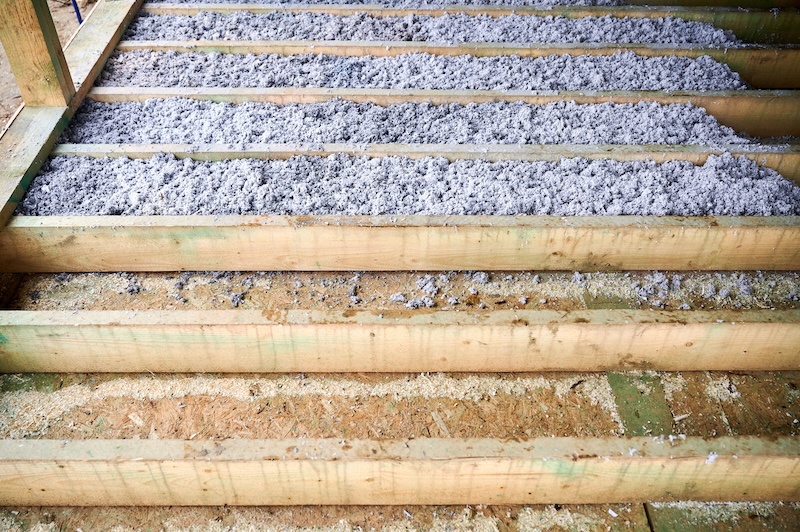
Cellulose insulation generally behaves much differently. Because it’s made primarily from recycled paper products that have been treated for fire resistance, cellulose tends to absorb and retain water much more readily than fiberglass. Once saturated, cellulose frequently settles, clumps together, and loses much of its insulating effectiveness.
Depending on the extent of the damage, replacement is often considered because thoroughly drying the material can be difficult.
Does Spray Foam Insulation React Differently?
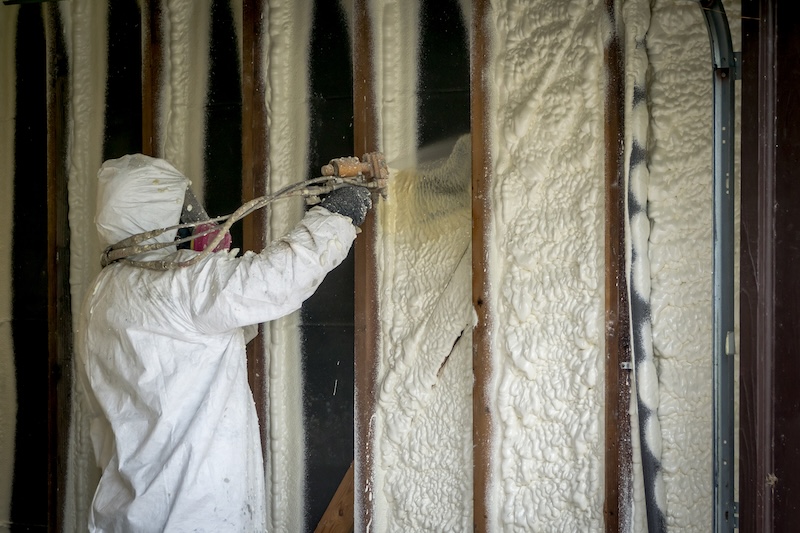 Spray foam insulation often performs better around moisture than many traditional insulation products, but not all spray foam is identical. Closed-cell spray foam generally resists water much more effectively than open-cell foam.
Even so, if surrounding building materials remain wet, additional evaluation may still be necessary. Water can affect framing, drywall, and other structural components even when the insulation itself performs well. Looking at the entire building assembly is usually more important than evaluating the insulation alone.
Is Wet Insulation Dangerous?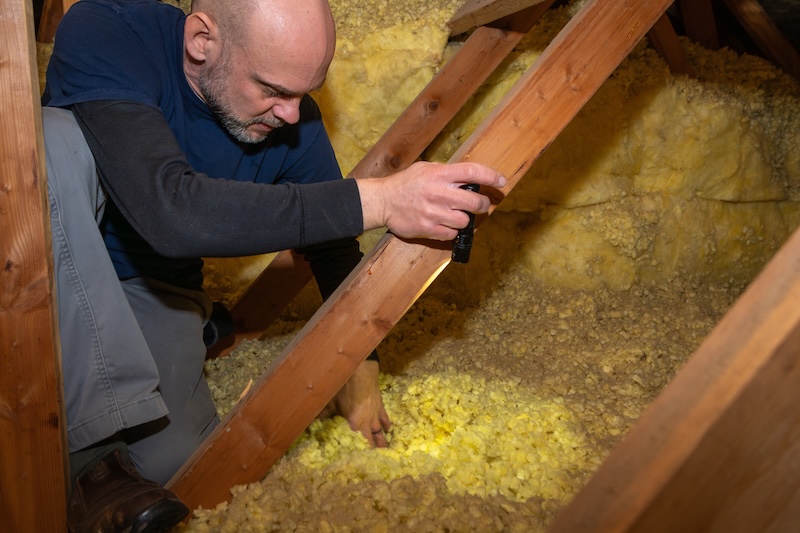
Wet insulation isn’t automatically dangerous. However, prolonged moisture can sometimes create additional concerns if left unaddressed. Din fact, depending on the circumstances, lingering moisture may contribute to:
- Mold growth
- Wood deterioration
- Musty odors
- Reduced indoor comfort
- Higher heating and cooling costs
The longer insulation remains wet, the more likely secondary damage becomes. That’s one reason prompt drying is often recommended following water damage.
Hidden Moisture Is Often the Bigger Problem
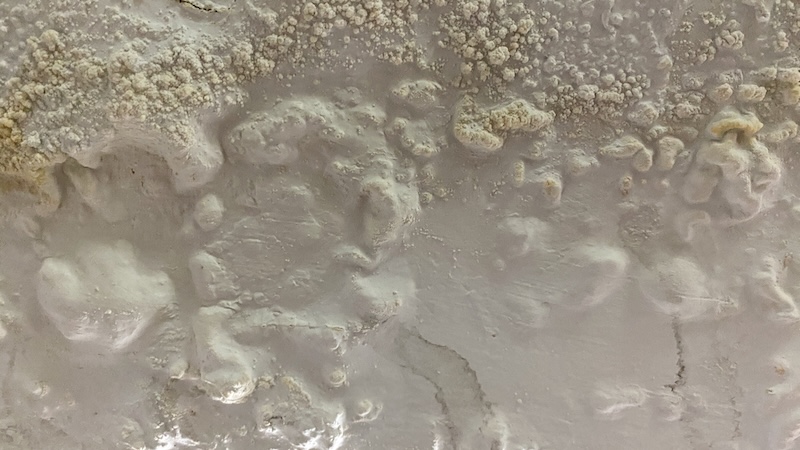 Many homeowners assume everything is fine once visible water disappears. Unfortunately, moisture doesn’t always behave that way. Water frequently travels farther than expected by soaking into framing, subfloors, wall cavities, and insulation before becoming noticeable elsewhere.
For example, a roof leak may eventually saturate attic insulation long before a ceiling stain develops. Likewise, a plumbing leak inside a wall can affect insulation for days before visible signs appear. Professional moisture testing often helps determine whether hidden areas have dried completely.
Why Wet Crawlspace Insulation Deserves Attention
Crawlspaces present their own unique challenges. Because these areas generally receive less airflow than living spaces, insulation beneath the floor can remain damp much longer after a leak or flooding event.
In addition to reducing energy efficiency, wet crawlspace insulation may allow excess humidity to linger beneath the home, potentially affecting wood framing and indoor air quality over time.
Since Red Truck Disaster Response performs extensive crawlspace restoration, these situations are something we evaluate regularly following water damage.
How Professionals Evaluate Insulation After Water Damage
Every water loss is different. Rather than automatically removing every piece of insulation, restoration professionals typically evaluate several factors before recommending a course of action.
These often include:
- The type of insulation
- The source of the water
- How long the insulation remained wet
- Moisture readings in nearby materials
- Signs of contamination
- Visible deterioration
- Whether the insulation still performs as intended
That evaluation helps determine whether drying, cleaning, or replacement may be appropriate.
Don’t Assume Dry Means Dry
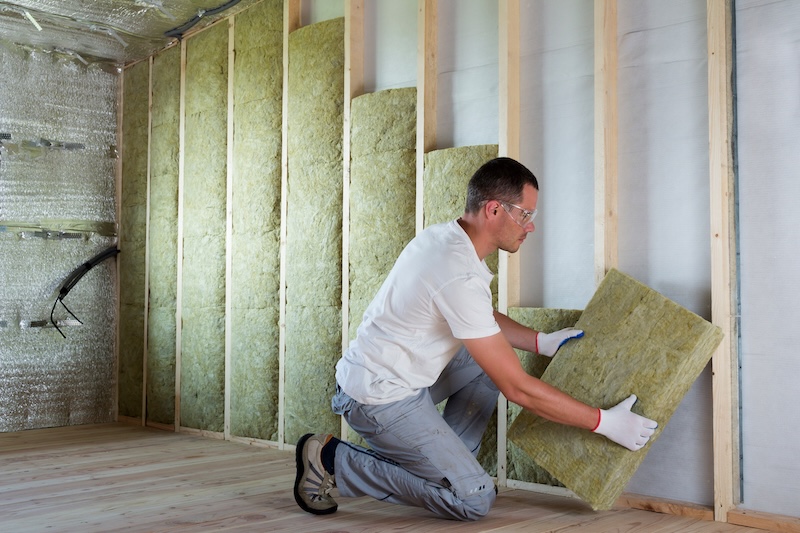 One of the biggest misconceptions after water damage is that if surfaces feel dry, the problem is over. In reality, insulation hidden behind walls, above ceilings, or beneath floors may still contain moisture that isn’t immediately apparent.
Addressing those hidden areas early often helps reduce the likelihood of additional repairs later while improving the overall drying process.
Frequently Asked Questions About Insulation After Water Damage
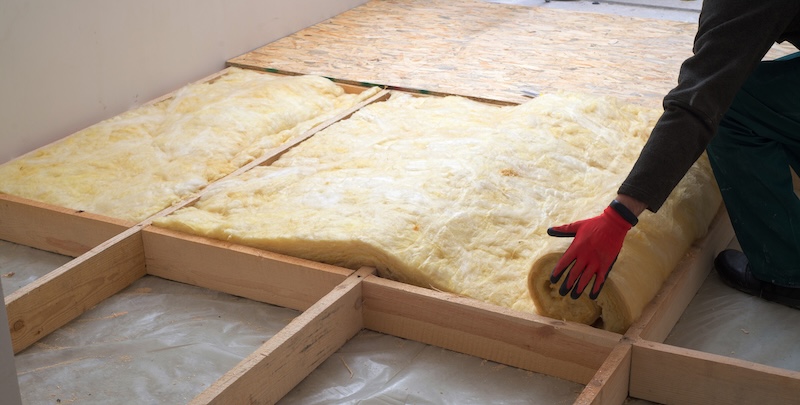 Does wet insulation always need to be replaced?
Not always. The appropriate solution depends on the type of insulation, the source of the water, how saturated the material became, and whether it can be dried effectively. Every situation is different.
Can fiberglass insulation dry out?
Sometimes. Fiberglass insulation may be successfully dried under certain conditions, particularly when exposed to clean water and addressed quickly. However, compressed or contaminated insulation may no longer perform effectively.
Is wet insulation dangerous?
Wet insulation isn’t necessarily dangerous by itself, but prolonged moisture may contribute to mold growth, wood damage, musty odors, or reduced energy efficiency if left untreated.
How can I tell if insulation behind my walls is wet?
Visible stains, musty odors, elevated moisture readings, or water damage from a plumbing leak or roof leak may indicate hidden moisture. Professional moisture detection equipment often helps locate areas that aren’t visible.
Should attic insulation be inspected after a roof leak?
Yes. Roof leaks frequently affect attic insulation before homeowners notice interior ceiling damage. Evaluating the insulation can help determine whether moisture remains hidden above the living space. We offer free inspections!
 Looking Beyond What You Can See
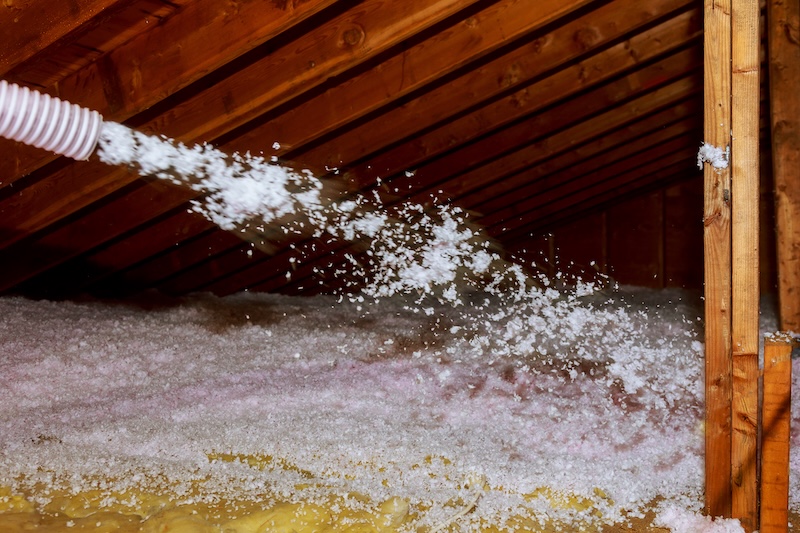
Water damage doesn’t stop at the surface. Some of the most important effects occur inside walls, above ceilings, and beneath floors where insulation quietly absorbs moisture and loses its effectiveness.
Taking the time to evaluate hidden areas after a water loss can often prevent additional damage, improve your home’s energy efficiency, and provide greater confidence that the drying process is truly complete. Whether insulation can be saved or should be replaced depends on the specific circumstances, which is why a thorough inspection is often the best first step.
About Red Truck Disaster Response in Boise, Idaho
Red Truck Disaster Response proudly provides 24/7 emergency restoration services throughout Boise, Meridian, Eagle, Kuna, Star, Nampa, Caldwell, and the surrounding Treasure Valley. Our experienced team specializes in water damage restoration, emergency water extraction, mold remediation, crawlspace restoration, sewage cleanup, fire and smoke damage restoration, roof leak damage, and complete reconstruction services. We use professional drying equipment and moisture detection technology to help identify hidden water damage and restore homes as quickly and safely as possible. Whether you’re dealing with a burst pipe, storm damage, or flooding, Red Truck Disaster Response is ready to respond when you need us most.
This blog is for informational purposes only. If you have questions about your specific situation, we will be happy to come out and look at no charge. Inspections are always free.
