




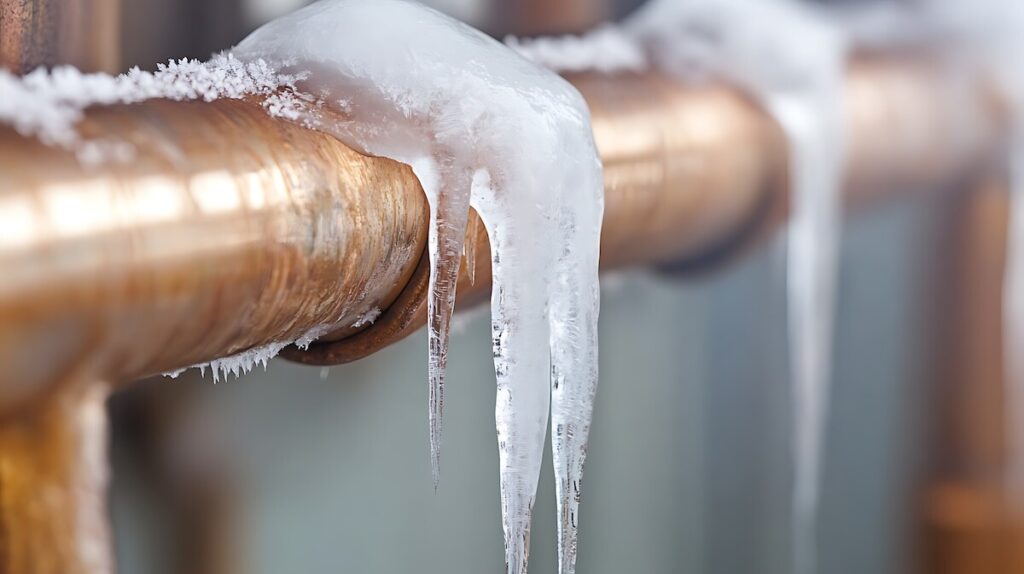
 Why Heat Loss Patterns Matter and Create Frozen Pipes
Cold weather often brings one predictable concern for homeowners: frozen pipes. In the Treasure Valley, winter temperatures can fluctuate dramatically. While the winter of 2026 has remained relatively mild so far, Boise and surrounding communities still experience cold nights and occasional storms that can trigger freezing conditions inside homes. Conversations about frozen pipes often focus on insulation or leaving faucets dripping overnight. Those steps can help, but they only address part of the problem. The real issue often lies deeper inside the structure of the home—specifically in how heat moves through the building.
Understanding how attic heat loss and cold-air stratification work together can reveal why some pipes freeze even when a home seems warm and protected. For restoration professionals who frequently encounter water damage following winter weather events, these patterns tell an important story about how hidden freeze zones develop.
For property owners across Boise and the Treasure Valley, recognizing these patterns can make the difference between a small inconvenience and a major water loss.
How Heat Moves Through Your Home
 Heat naturally moves from warm areas to cold areas. During winter, heated air inside the home rises upward. That warm air often collects in upper levels, ceiling cavities, and attic spaces.
If an attic lacks proper insulation or ventilation balance, some of that heat escapes through the roof. As the warm air leaves, colder outside air pulls into other parts of the structure to replace it. This process creates temperature differences inside walls, crawlspaces, and attic cavities.
These uneven temperature zones can form what building scientists often call “microclimates.” Some parts of the home remain comfortably warm, while others drop to temperatures low enough to freeze pipes.
A homeowner may set the thermostat at 70 degrees and assume the entire structure stays close to that temperature. In reality, certain hidden areas—especially near attic edges or rooflines—may experience much colder conditions.
Those areas often become the starting point for winter plumbing failures.
The Role of Cold-Air Stratification
Another factor that contributes to frozen pipe risk involves cold-air stratification. Cold air sinks, while warm air rises.Inside homes, this natural movement can create layers of temperature. Upper areas of the house may feel warm, while lower or exterior-adjacent areas cool significantly.
Attics often sit directly at the intersection of these two forces. Heat escapes upward through ceilings while cold air pushes inward through soffits, vents, and exterior openings. Where those forces meet, temperatures may fluctuate dramatically. Pipes running through attic floors, wall cavities, or roofline areas may face conditions far colder than homeowners expect.
This process explains why pipes sometimes freeze during relatively mild winters. A few nights below freezing combined with uneven heat movement inside the structure may create just enough exposure to cause problems.
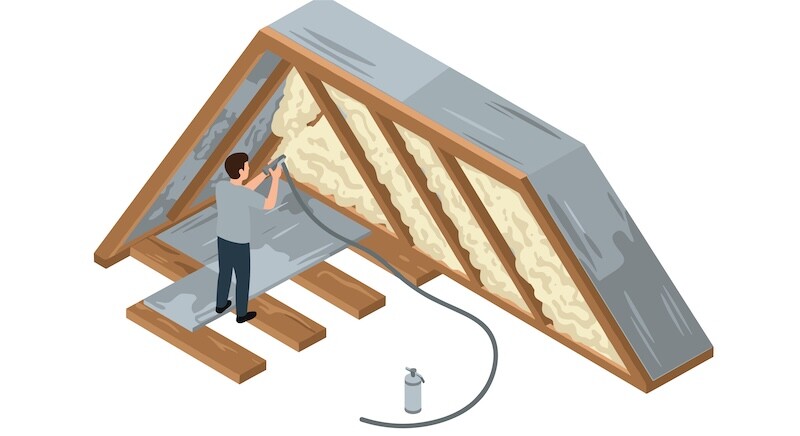 Why Attics Frequently Become Freeze Zones
Attics often act as a hidden battleground between warm interior air and cold outdoor temperatures.
Several factors contribute to this problem:
- Insulation Gaps
Small insulation gaps near the edges of the attic can allow cold air to settle directly above plumbing lines. - Ventilation Imbalance
Proper attic ventilation should balance airflow between intake vents and exhaust vents. When that balance shifts, cold air may concentrate in unexpected areas. - Air Leaks From Below
Warm air escaping through ceiling penetrations—such as light fixtures, ductwork openings, or attic hatches—can create pressure differences that pull cold air into wall cavities. - Pipe Placement Near Exterior Walls
Many homes run plumbing lines through exterior-facing framing, where temperatures drop fastest.
When these conditions combine, certain areas inside the structure may reach freezing temperatures even while the rest of the home stays comfortable.
When Frozen Pipes Lead to Attic Leaks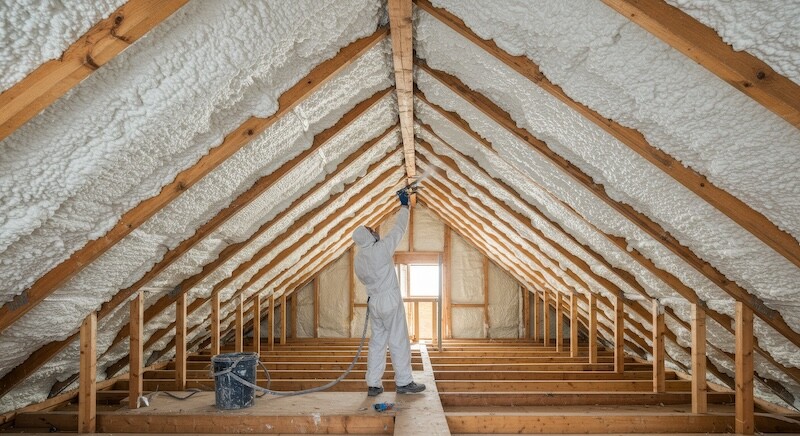
The real damage often begins when frozen pipes thaw. Water expands as it freezes. If pressure builds inside a pipe, the pipe may crack or split. Homeowners rarely notice this damage immediately because the pipe remains frozen. Once temperatures rise and ice melts, water begins escaping through the break.
In attic environments, the results can spread quickly. Water may saturate insulation, soak drywall ceilings, and travel down walls or light fixtures. Because attic leaks often start above living areas, damage can expand before the source becomes obvious. In some cases, homeowners first notice a ceiling stain or dripping fixture hours—or even days—after the pipe initially failed.
At that point, professional assessment becomes important.
Why Mild Winters Still Create Risk
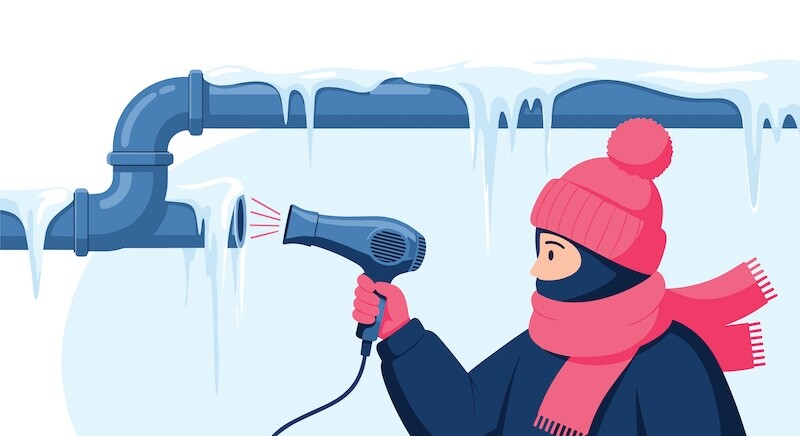 Unfortunately, a winter without heavy snowfall does not eliminate frozen pipe concerns. In fact, mild winters sometimes create a different type of risk. When temperatures fluctuate above and below freezing, pipes may repeatedly freeze and thaw. Each cycle places additional stress on plumbing materials.
Homes that rarely face deep cold may also contain insulation or airflow conditions that remain unnoticed for years. When the right combination of temperature changes occurs, those hidden vulnerabilities can surface. Boise’s winter climate frequently includes these temperature swings. A mild season with intermittent cold snaps can still create the conditions needed for frozen pipe damage.
How Restoration Expertise Makes the Difference
When attic leaks or water damage occur after a frozen pipe event, proper response requires more than simply drying visible surfaces.
Moisture often spreads into insulation, framing, and drywall cavities. If these materials remain damp, they may support mold growth or structural deterioration over time. Experienced restoration professionals like us approach these situations with a broader understanding of how water travels through building materials.
At Red Truck Disaster Response, our team often evaluates the full scope of moisture impact following winter-related plumbing failures. Using professional drying equipment, targeted moisture detection tools, and structural drying techniques, we work to identify affected materials and help restore the property.
While every situation differs, a careful inspection may help determine how far water has traveled and which materials require drying or removal. Addressing hidden moisture early often prevents more complicated issues later. Just as importantly, our experience with crawlspaces, attic environments, and structural drying allows us to look beyond the immediate leak. Understanding how heat movement, insulation patterns, and airflow contribute to frozen pipe events can help homeowners and contractors better understand why the problem occurred in the first place.
In many situations, we may work alongside plumbers, insulation contractors, or other specialists when a broader repair strategy becomes necessary.
Prevention Through Awareness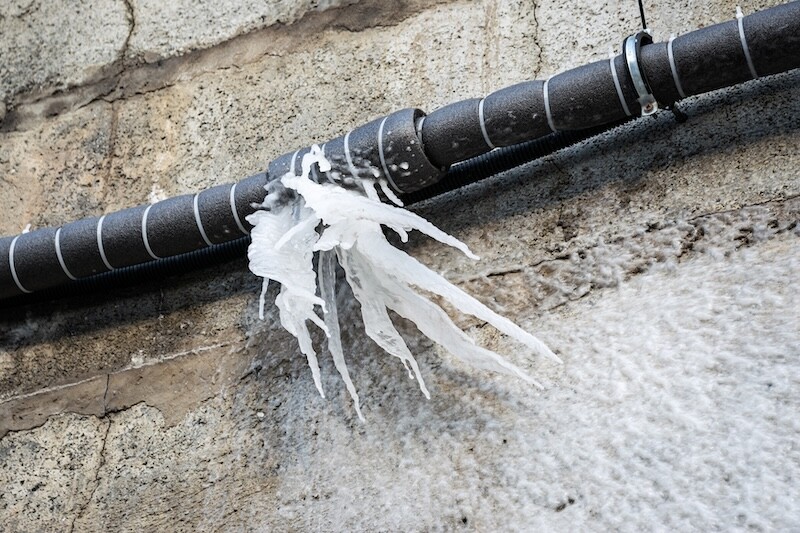
Homeowners can reduce the likelihood of frozen pipe damage by paying attention to several key factors:
- Maintaining consistent indoor temperatures during cold weather
- Sealing air leaks between living spaces and the attic
- Monitoring attic insulation coverage near roof edges
- Protecting exposed plumbing lines near exterior walls
- Scheduling inspections if unusual attic drafts or cold zones appear
While these steps may reduce risk, hidden building conditions sometimes remain difficult to detect without professional evaluation. That reality explains why restoration specialists frequently encounter water losses caused by frozen pipes even in well-maintained homes. When water damage does occur, a fast and knowledgeable response helps limit long-term disruption.
 The Value of Professional Frozen Pipe Response
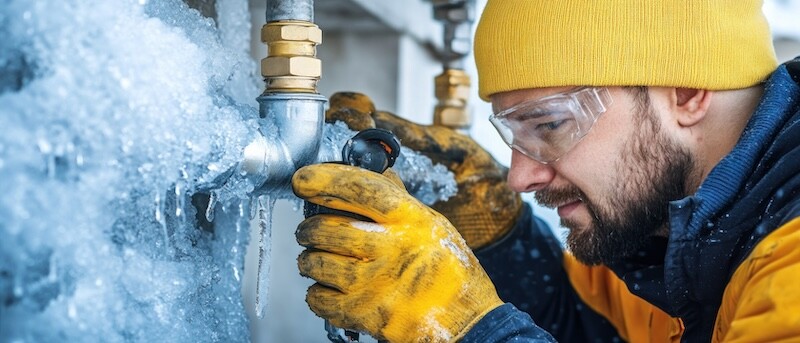
Water damage restoration requires careful coordination, especially when the source originates in hidden spaces like attics or crawlspaces. Professional drying strategies may involve controlled airflow, dehumidification, and structural monitoring to help ensure materials return to appropriate moisture levels. Each property presents unique challenges depending on construction type, insulation materials, and how long moisture remained present.
Our team focuses on guiding property owners through the process with clear communication and practical solutions.
While no homeowner looks forward to facing winter plumbing problems, understanding how heat loss patterns contribute to frozen pipes can help people respond more quickly and confidently if issues arise.
For homes across Boise and the Treasure Valley, that knowledge can make a meaningful difference when temperatures drop.
About Red Truck Disaster Response in Boise, Idaho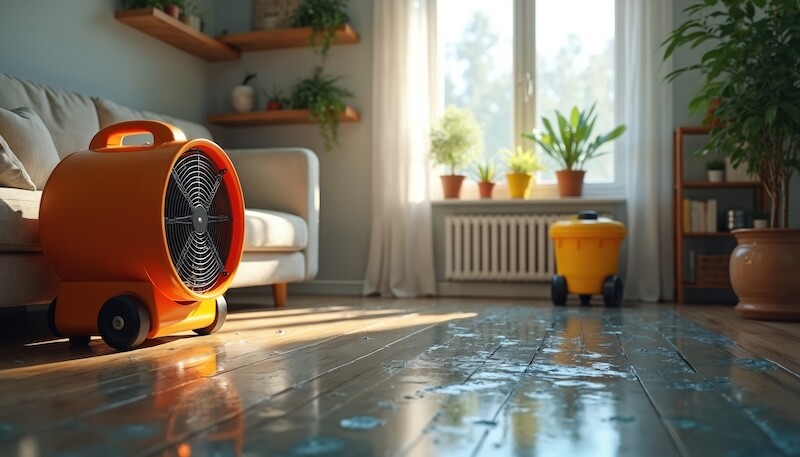
Red Truck Disaster Response was established in 2016. Through our experience working for a national franchise, we have seen first-hand how larger companies fail to provide the level of customer service their clients need and deserve when we are going through a loss to their home. We started Red Truck and made the conscious decision to put service first. Our clients are our highest priority. With a focus on professional and supportive service and open communication, we help our clients restore both their homes and their lives after a disaster. We will work with any insurance company and can handle any size loss. If you face a loss of any kind, 24/7, call our hotline (208) 336-3853 and we’ll be happy to help!
This blog is for informational purposes only. If you have questions about your specific situation, we will be happy to come out and look at no charge. Inspections are always free.
