



 Stabilization First: The Emergency Mitigation Phase Most Homeowners Don’t See
When water enters a home unexpectedly, most homeowners focus on what they can see — soaked carpet, warped flooring, damp drywall, or standing water in a crawlspace. That visible damage demands attention, and rightfully so. However, before structural drying completes and long before repairs begin, a critical stage unfolds behind the scenes. That stage is stabilization — the foundation of professional emergency mitigation.
 In many situations, proper mitigation determines whether a loss remains manageable or escalates into long-term structural complications. While extraction and drying often receive the spotlight, stabilization quietly protects the integrity of the entire recovery process.
Most homeowners never fully see this phase, but it often makes all the difference.
Securing the Site: The First Step in Emergency Mitigation
Professional mitigation typically begins with securing the site. Before equipment placement or material removal, we often assess the overall safety and stability of the environment.
 Depending on the loss, this initial emergency mitigation assessment may include evaluating:
- Electrical safety concerns
- Structural stability
- Slip hazards
- Contaminated water exposure
- Ongoing active leaks
In many emergency mitigation scenarios, stopping the source of water becomes the first priority. If a plumbing line continues leaking, we typically coordinate to have the source shut off. If groundwater intrusion contributes to crawlspace flooding, we often work to stabilize the area while identifying contributing factors.
This early phase may not appear dramatic, but emergency mitigation focuses on preventing further damage before restoration advances.
Stabilization protects both the property and everyone working inside it.
Containment: Controlling Conditions 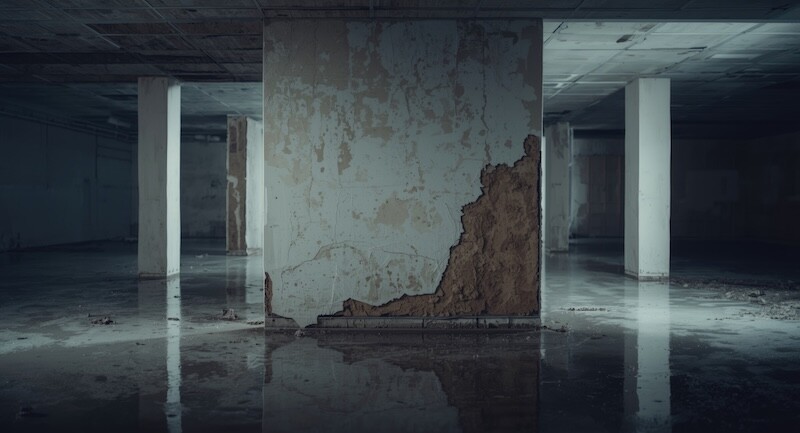
Water rarely stays confined to one area. Moisture migrates through framing, drywall, insulation, and subfloor materials. Air currents can carry contaminants beyond visibly wet areas.
That is why emergency mitigation often includes containment strategies designed to isolate affected zones.
Depending on the situation, we typically install:
- Containment barriers
- Controlled airflow systems
- Negative air equipment
- Sealed work areas
Containment during emergency mitigation helps prevent cross-contamination. It protects unaffected areas of the home while drying and demolition activities take place. It also helps protect HVAC systems from circulating airborne particles throughout the structure.
Homeowners sometimes assume placing fans alone solves the problem. In many emergency mitigation projects, controlled containment ensures drying progresses efficiently and safely.
Without containment, secondary damage can occur in areas that initially showed no visible signs of impact.
 Moisture Mapping: The Science
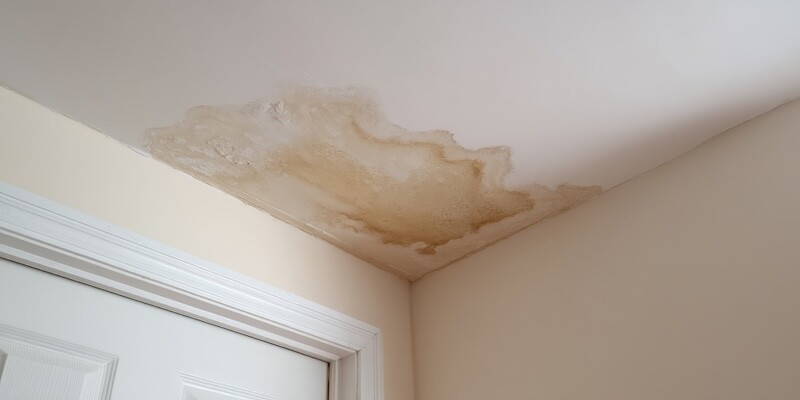
Water travels in unpredictable ways. It wicks upward into drywall. It spreads laterally under flooring. It saturates insulation inside wall cavities and crawlspaces. You cannot rely on visual inspection alone.
Moisture mapping forms a core component of structured emergency mitigation. Using specialized equipment, technicians often measure moisture levels in:
- Framing members
- Subflooring
- Drywall
- Insulation
- Structural supports
We typically document these readings and establish drying targets based on material type and environmental conditions. This step allows emergency mitigation to proceed methodically rather than guesswork-driven.
Moisture mapping helps prevent premature reconstruction. It often reduces the risk of hidden microbial growth and structural weakening that can appear weeks later if materials remain damp.
In many cases, proper emergency mitigation protects the unseen structural components that support the home long after surface materials appear dry.
Documentation: Protecting the Insurance Process 
Emergency mitigation involves more than physical stabilization. It also requires thorough documentation.
Insurance carriers rely on detailed records to evaluate claims. During the emergency mitigation phase, we typically document:
- Initial site conditions
- The identified source of loss
- Affected materials
- Moisture readings over time
- Photographs
- Equipment placement
- Drying progress
This documentation often strengthens the homeowner’s position during the claims process. It demonstrates that emergency mitigation began promptly and followed industry standards .In many cases, accurate records help prevent delays and misunderstandings with insurers. Stabilization not only protects the structure — it often protects the financial recovery process as well.
 Why Stabilization Protects Future Repairs
Reconstruction often receives attention because it produces visible change. However, without proper emergency mitigation, new materials can fail prematurely.
If framing retains excess moisture, new drywall may warp. If contaminants spread during early stages, additional remediation may become necessary. If crawlspace insulation remains damp, odor and microbial concerns can develop.
Emergency mitigation sets the stage for durable repairs.
By securing the site, isolating affected areas, measuring moisture precisely, and documenting conditions thoroughly, stabilization supports long-term structural performance. In many emergency mitigation projects, success depends less on speed and more on control.
The Unique Role of Crawlspaces in Idaho Homes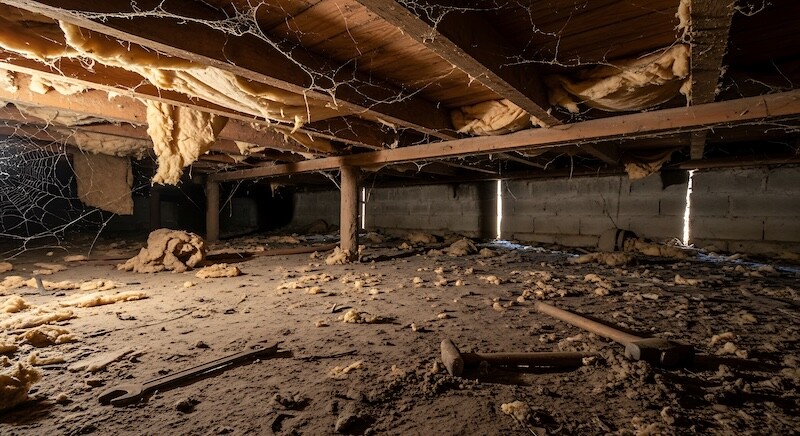
In Boise and throughout the rest of Southern Idaho, crawlspaces frequently play a central role in water losses. Irrigation leaks, plumbing failures, groundwater intrusion, and seasonal moisture shifts often originate below the living space.
Emergency mitigation in crawlspaces requires careful planning. Limited airflow, insulation saturation, and compromised vapor barriers create complex drying conditions. Depending on the situation, we often remove wet insulation, establish controlled drying environments, and coordinate with drainage professionals when groundwater contributes to the issue.
Early emergency mitigation in crawlspaces often prevents larger structural repairs later.
 A Controlled Path Forward
Water damage disrupts routines. It introduces uncertainty. It affects both property and peace of mind. Professional emergency mitigation restores control during those first critical hours. Stabilization helps contain the loss, measure the impact, document conditions, and prepare the property for proper repair.
- While homeowners may not always see every step, that behind-the-scenes emergency mitigation phase weighs heavily in the overall outcome.
- If you face water intrusion, sewage backup, or crawlspace flooding, contacting a professional quickly often makes a significant difference. Early emergency mitigation can help limit damage and protect future repairs.
- We respond promptly. We begin stabilization quickly. And through structured emergency mitigation, we work to create a stable foundation for full recovery.
About Red Truck Disaster Response in Boise, Idaho
Red Truck Disaster Response was established in 2016. Through our experience working for a national franchise, we have seen first-hand how larger companies fail to provide the level of customer service their clients need and deserve when we are going through a loss to their home. We started Red Truck and made the conscious decision to put service first. Our clients are our highest priority. With a focus on professional and supportive service and open communication, we help our clients restore both their homes and their lives after a disaster. We will work with any insurance company and can handle any size loss. If you face a loss of any kind, 24/7, call our hotline (208) 336-3853 and we’ll be happy to help!
This blog is for informational purposes only. If you have questions about your specific situation, we will be happy to come out and look at no charge. Inspections are always free.
