




 Do I Need Emergency Water Damage Restoration — or Will It Dry on Its Own?
When water shows up where it shouldn’t, most homeowners pause before acting. The first instinct often sounds something like this: “Let’s see if it dries out.” On the surface, that feels reasonable. After all, water evaporates, fans move air, and time seems like it should solve the problem. However, water damage doesn’t behave the way most people expect. What you can see on the surface rarely tells the full story. In many cases, what appears to be a small, manageable issue continues developing behind walls, under flooring, and inside insulation. That’s where the real risk begins. At Red Truck Disaster Response, we often respond to situations that started small but grew more complex because of delayed action. The goal here isn’t to create urgency for the sake of it—it’s to explain how water behaves and help you decide when professional intervention makes sense.
Will Water Damage Dry on Its Own?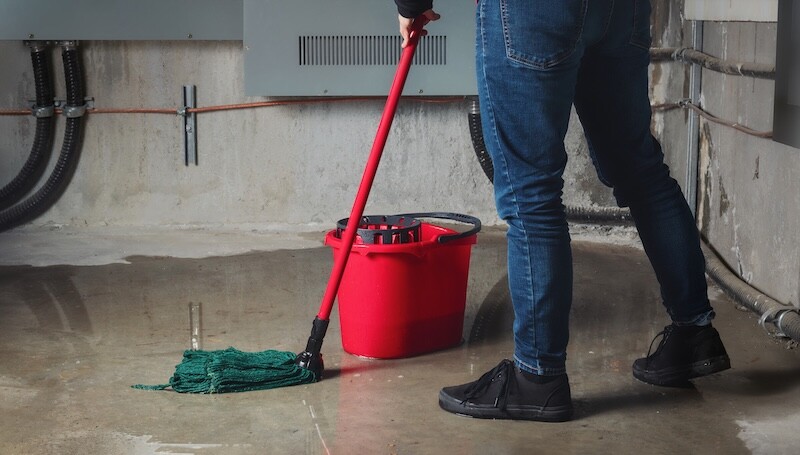
In some limited situations, small amounts of water may dry naturally. For example, a minor spill on a sealed surface with good airflow might not require professional help. However, most real-world water events don’t stay contained on the surface.
Water tends to move. It seeps into porous materials like drywall, wood, carpet padding, and insulation. Once it enters these materials, evaporation slows significantly. Air moving across a surface doesn’t necessarily remove moisture trapped beneath it.
Additionally, homes aren’t designed for rapid drying. Walls, subfloors, and insulation layers restrict airflow, which allows moisture to linger longer than expected. Even when the visible area appears dry, moisture can remain hidden inside structural materials.
Because of this, the better question isn’t whether water can dry—it’s whether it can dry completely and safely without intervention. In many cases, it typically does not.
How Long Does It Take for Water to Evaporate in Walls and Floors?
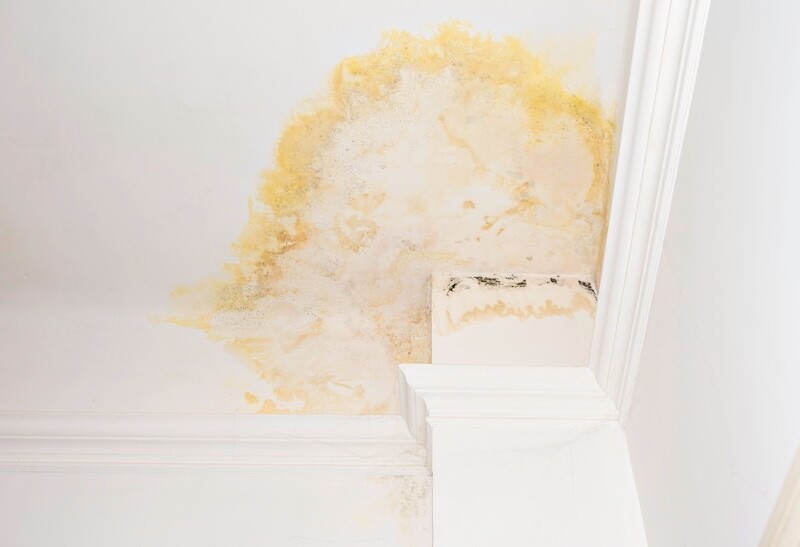 Drying time depends on several factors, including material type, temperature, humidity, and airflow. While surface moisture may evaporate within hours, trapped moisture behaves differently.
For example:
- Drywall can retain moisture internally even after the surface feels dry
- Insulation often holds water and dries very slowly, if at all
- Wood framing absorbs moisture and releases it gradually over time
In many cases, moisture inside these materials can remain for days or even longer without proper drying equipment. During that time, conditions often become favorable for secondary issues to develop.
What Happens If Moisture Gets Trapped? Emergency Water Damage Restoration 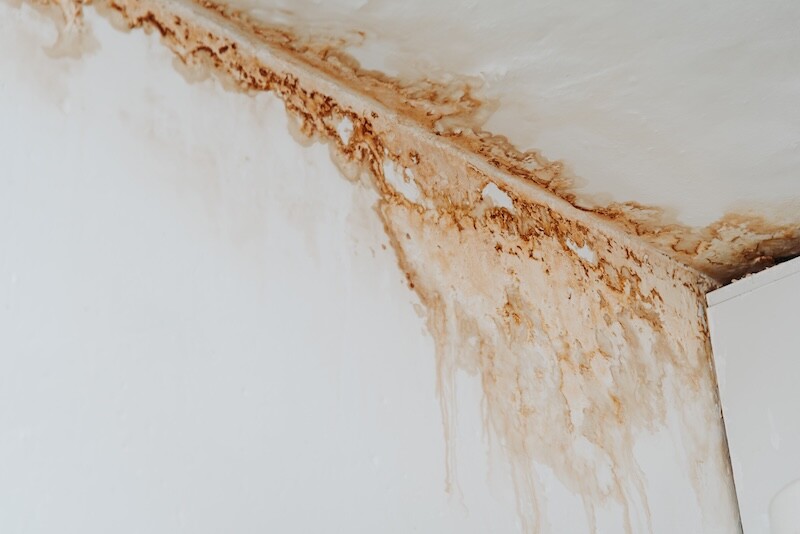
When moisture stays trapped inside building materials, it typically creates an environment where problems begin to compound. This doesn’t happen instantly, and it doesn’t always look dramatic—but it does tend to progress.
Several things can occur:
- Materials begin to weaken or lose structural integrity
- Insulation loses effectiveness and may require replacement
- Odors develop as moisture interacts with organic materials
- Microbial growth becomes more likely over time
It’s important to approach this realistically. Not every situation leads to severe damage. However, when moisture remains in enclosed spaces, the likelihood of complications increases.
 When Should I Call for Emergency Water Damage Restoration?
This is where decision-making matters most. While some minor situations can be monitored, others typically benefit from immediate attention.
You should strongly consider calling for Emergency Water Damage Restoration if:
- Water has entered walls, ceilings, or flooring
- The source involves a burst pipe, overflow, or appliance failure
- You cannot confirm that all affected materials have fully dried
- The affected area includes insulation, carpet padding, or subflooring
- There’s noticeable odor or discoloration after the initial drying attempt
In these scenarios, waiting often allows moisture to spread or settle deeper into materials. Early response focuses on containment and stabilization, which usually helps limit the overall impact.
Why Fans and Household Drying Methods Often Fall Short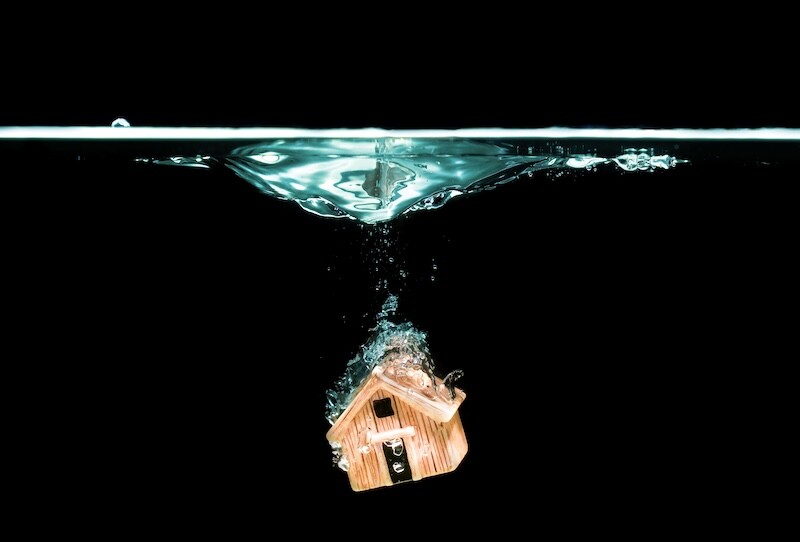
Using fans and opening windows seems like a logical first step—and in some cases, it can help with surface drying. However, household methods rarely address moisture below the surface.
Fans move air across visible areas, but they don’t pull moisture out of dense materials. Additionally, without proper control of humidity, moisture can remain suspended in the air and reabsorb into nearby surfaces.
Professional drying equipment operates differently. It typically combines controlled airflow, dehumidification, and targeted placement to remove moisture from both surfaces and internal structures. The goal isn’t just to dry what you can see—it’s to dry what you can’t.
Why Emergency Water Damage Restoration Focuses on Containment, Not Panic
 The word “emergency” often creates the impression of chaos. In reality, emergency water damage response tends to focus on control and prevention.
A structured response typically includes:
- Identifying the extent of moisture migration
- Isolating affected areas to prevent spread
- Removing excess water where necessary
- Creating conditions that allow materials to dry effectively
This process doesn’t rely on urgency for its own sake. Instead, it reflects how water behaves in a built environment. Addressing the situation early often reduces both the scope of damage and the complexity of repairs.
How Early Action Impacts Insurance and Repairs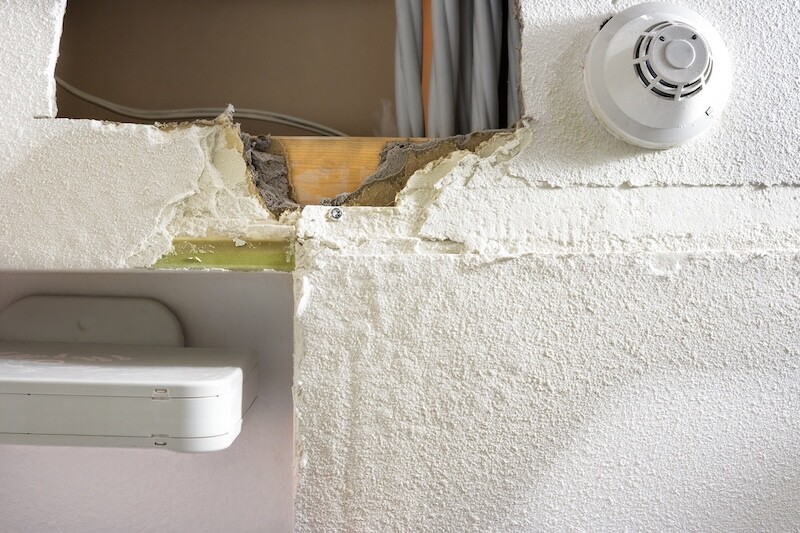
Another factor to consider involves documentation and insurance. When water damage occurs, insurance providers often look for clear timelines and evidence of mitigation efforts.
Early response typically allows for:
- More accurate moisture documentation
- Photo timelines that show progression and response
- Drying logs that support the restoration process
While every claim differs, acting sooner often simplifies communication and reduces uncertainty during the claims process.
Making the Right Call for Your Situation
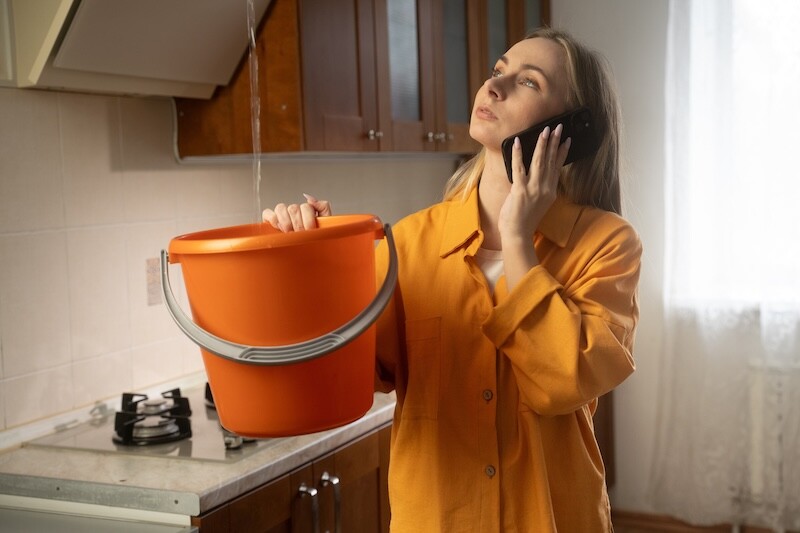 Every water event differs slightly. Some remain minor and resolve quickly, while others develop into more involved restoration projects. The challenge lies in recognizing which situation you’re dealing with.
If water remains on the surface and dries quickly with no signs of absorption, monitoring may make sense. However, once moisture enters structural materials—or if you’re unsure how far it has spread—bringing in a professional often provides clarity and control.
At Red Truck Disaster Response, we approach each situation with a focus on evaluation first. Not every call leads to extensive work, but every situation benefits from understanding what’s actually happening beneath the surface.
If you’re dealing with water in your home and wondering whether it will dry on its own, it’s worth taking a closer look before time works against you. When moisture goes where it shouldn’t, having the right information—and the right response—makes all the difference.
About Red Truck Disaster Response in Boise, Idaho
Red Truck Disaster Response was established in 2016. Through our experience working for a national franchise, we have seen first-hand how larger companies fail to provide the level of customer service their clients need and deserve when we are going through a loss to their home. We started Red Truck and made the conscious decision to put service first. Our clients are our highest priority. With a focus on professional and supportive service and open communication, we help our clients restore both their homes and their lives after a disaster. We will work with any insurance company and can handle any size loss. If you face a loss of any kind, 24/7, call our hotline (208) 336-3853 and we’ll be happy to help!
This blog is for informational purposes only. If you have questions about your specific situation, we will be happy to come out and look at no charge. Inspections are always free.
