



 How Long Does It Take to Dry Out a House After Water Damage?
Once the standing water disappears after a leak, flood, or plumbing failure, a home can look surprisingly close to normal. However, removing visible water represents only the beginning of the drying process. Moisture can remain inside drywall, flooring, insulation, wood framing, cabinets, and other building materials long after surfaces appear dry.
So, how long does it take to dry out a house after water damage? In many situations, professional structural drying takes several days, but no single timeline applies to every property. The amount of water as well as affected materials, indoor humidity, airflow, temperature, and how quickly mitigation begins can all influence drying time. Consequently, professional restoration teams monitor moisture levels throughout the process rather than relying on a predetermined number of days.
How Long Does It Take to Dry Out a House After a Flood or Leak?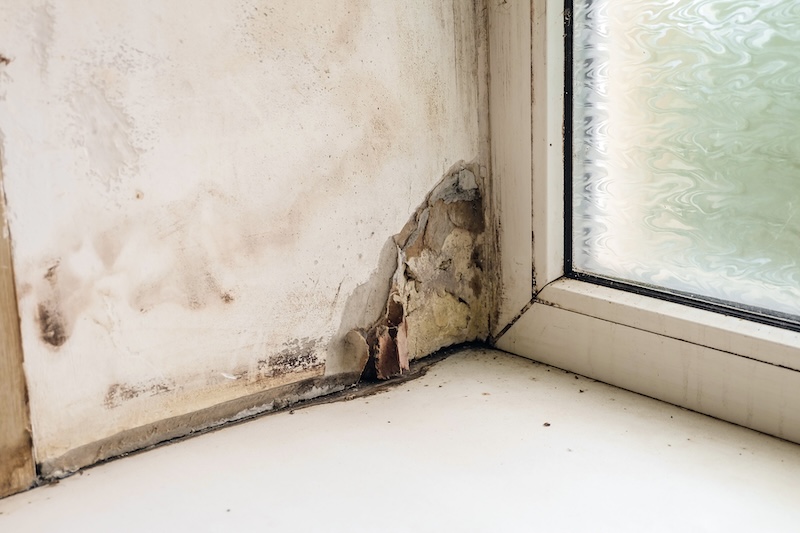
A relatively small water loss addressed quickly may dry considerably faster than a home with extensive flooding. Likewise, water confined to a hard, nonporous surface creates a different situation than moisture that has traveled beneath flooring, entered wall cavities, or saturated porous materials. For this reason, restoration professionals evaluate the extent of the water damage before determining an appropriate drying plan. We use moisture-detection equipment to identify affected areas that may not feel wet to the touch. Then, we establish drying conditions designed for the materials and severity of the loss.
Although homeowners understandably want an exact completion date, moisture readings provide better information than the calendar. Drying should continue until affected materials reach appropriate moisture levels, not simply until a certain number of hours have passed.
Different Materials Dry at Different Rates
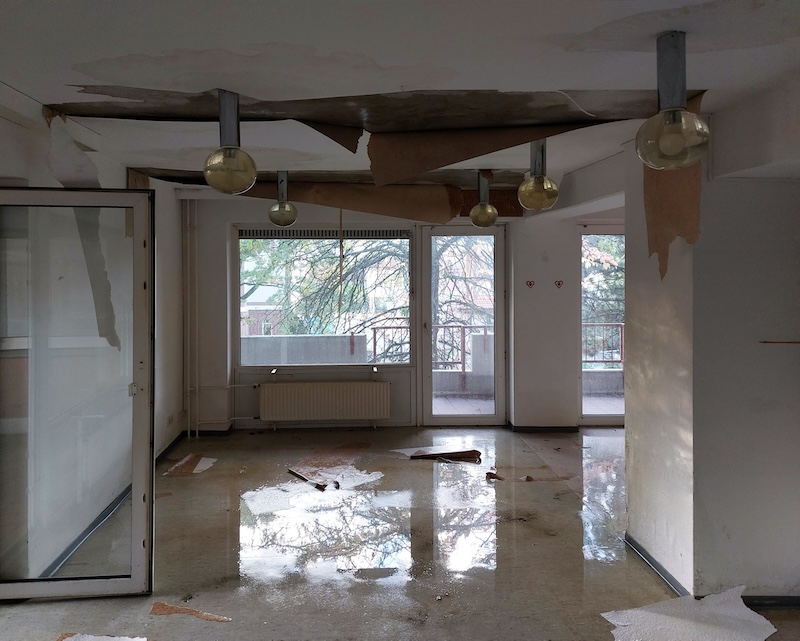 The materials inside a home have a significant effect on the drying timeline because they absorb and release moisture differently. Water may wipe easily from tile or another nonporous surface, while drywall, insulation, carpet padding, wood, and other porous materials can retain moisture. Additionally, water can travel beyond the area where the original damage occurred. A wet floor may allow moisture to reach baseboards and drywall, while water entering a wall cavity can affect insulation and framing. Certain flooring systems may also trap moisture underneath the visible surface.
As a result, professional drying focuses on the entire affected area rather than only what looks wet. Depending on the situation, restoration technicians may need to remove materials that cannot dry adequately or that require removal because of contamination. Doing so can also expose other wet materials and improve airflow to areas that otherwise remain difficult to reach.
Airflow Plays an Important Role in the Time it Takes to Dry a House
Air movement helps moisture evaporate from wet building materials. Professional restoration teams strategically position air-moving equipment to promote drying throughout affected areas rather than simply pointing household fans toward a wet spot.
However, more airflow doesn’t automatically produce better results. Equipment placement depends on the room configuration, affected materials, moisture levels, and other conditions. Restoration technicians may adjust equipment as drying progresses because the needs of the structure can change from one day to the next.
Furthermore, airflow represents only one part of structural drying. Once moisture moves from building materials into the surrounding air, that moisture needs somewhere to go. That’s where humidity control becomes especially important.
Humidity Can Speed Up or Slow Down Drying
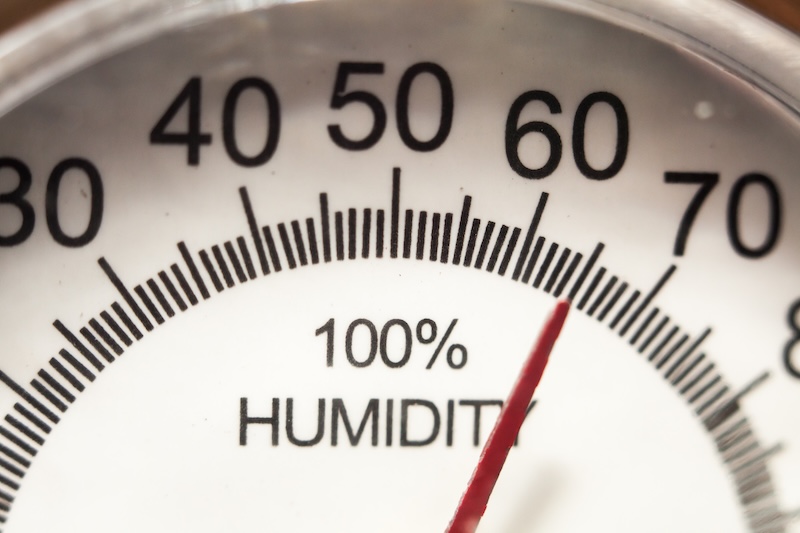 Wet building materials release moisture into the air during evaporation. If indoor humidity remains high, the surrounding air becomes less effective at accepting additional moisture, which can slow the drying process.
Professional dehumidification helps remove that moisture from the air and creates conditions that encourage continued evaporation. Restoration technicians can use air movers and dehumidifiers together to manage the drying environment rather than relying on either method alone.
Outdoor conditions can also influence indoor humidity, so opening windows doesn’t always help. On a humid day, bringing additional outdoor moisture into the structure may work against the drying process. Therefore, professional teams consider the conditions inside and outside the property when developing a drying strategy.
The Severity of Water Damage Changes the Timeline
Not surprisingly, the amount and location of water can dramatically affect how long drying takes. A supply-line leak discovered quickly may create a much different restoration project than a pipe that releases water unnoticed for several hours.
Several factors can increase the complexity of drying, including:
- Water affecting multiple rooms or levels
- Moisture entering walls or ceiling cavities
- Saturated insulation or carpet padding
- Water trapped beneath flooring
- Wet cabinets or built-in materials
- Extensive saturation of wood framing
- High indoor humidity
- Delays before mitigation begins
The source of the water also matters. Clean water from a supply line requires a different response from contaminated water involving sewage or other potentially hazardous sources. In those situations, restoration decisions must account for more than simply removing moisture.
Can You Dry a House Too Quickly?

Control is important in the timeline to dry out a house.
Homeowners may understandably assume that faster always means better. After all, water damage requires prompt action, and beginning mitigation quickly can reduce the amount of time moisture remains in contact with building materials. However, professional structural drying involves controlled drying, not simply applying as much heat and airflow as possible.
Different materials respond differently to rapid changes in moisture content. Wood and other building materials can potentially warp, crack, shrink, or experience other problems when conditions change improperly. Therefore, restoration professionals balance airflow, temperature, and humidity while monitoring how affected materials respond.
The goal involves drying the structure efficiently while protecting materials that can safely remain.
Why Moisture Monitoring Matters
A wall or floor can feel dry while still containing elevated moisture. Consequently, appearance and touch alone cannot reliably determine whether structural drying has finished.
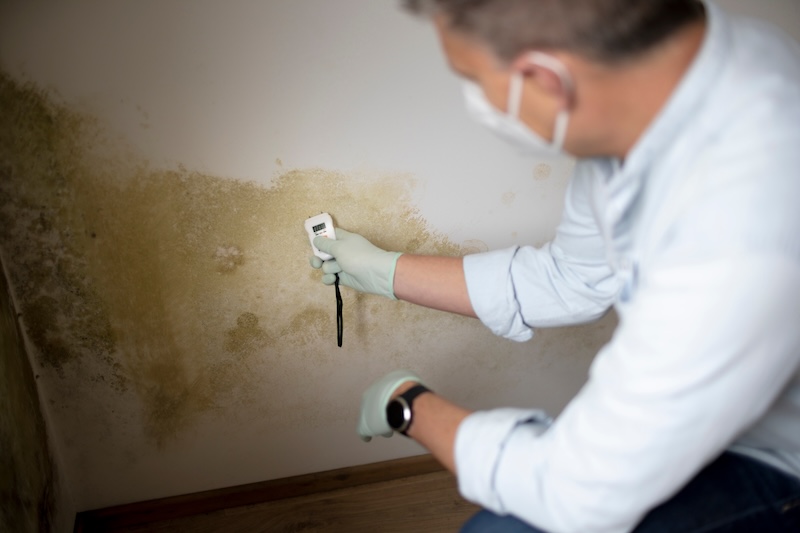
Restoration technicians use moisture meters and other specialized equipment to evaluate conditions inside affected materials. We can document readings throughout the drying process and adjust equipment based on the results. As moisture levels improve, equipment needs may change.
This monitoring also helps prevent restoration work from moving forward prematurely. Installing new flooring, closing walls, or completing repairs while excessive moisture remains can trap that moisture inside the structure and potentially contribute to future problems.
Faster Response Can Make a Difference
While no restoration company can promise the same drying timeline for every home, homeowners can influence one important variable: how quickly we respond.
Water begins spreading as soon as a leak or flood occurs. The longer it remains, the more opportunities it has to move beneath flooring, wick into drywall, enter cabinets, and reach other porous materials. Therefore, prompt extraction and professional evaluation can help limit the extent of the affected area.
 Red Truck Disaster Response provides 24/7 emergency water damage services throughout Boise and the Treasure Valley, with an approximately 45-minute response time in many situations. Our team evaluates the affected areas, removes water, establishes professional drying conditions, and monitors moisture levels as the structure dries.
Rather than guessing how long the process should take, we let the conditions inside the home help determine when drying is complete.
About Red Truck Disaster Response in Boise, Idaho
Red Truck Disaster Response provides 24/7 emergency water damage restoration and disaster response services in Boise and throughout the Treasure Valley. Our experienced team responds quickly to water damage from plumbing failures, appliance leaks, flooding, sewage backups, and other unexpected events, helping property owners limit additional damage and begin the restoration process.
This blog is for informational purposes only. Every water damage situation is unique, and restoration needs vary depending on the extent of the damage. If you suspect water damage in your home or business, Red Truck Disaster Response offers free inspections to help determine the best course of action.
