




 Most homeowners throughout Boise and the Treasure Valley rarely think about their crawlspace until something goes wrong. Unfortunately, crawlspace flooding often develops quietly and spreads slowly beneath the home long before visible warning signs appear upstairs. In fact, by the time homeowners notice musty odors, warped flooring, elevated humidity, or worsening allergy symptoms, moisture may already have caused significant damage beneath the structure. Because crawlspaces remain dark, enclosed, and difficult to access, standing water frequently lingers much longer than people realize. As a result, professional disaster cleanup often becomes necessary to properly dry the area, remove damaged materials, and help prevent long-term structural and mold-related issues. In this post, we examine who you should hire for crawlspace flooding.
At Red Truck Disaster Response, we frequently respond to crawlspace flooding throughout Boise, Meridian, Eagle, Nampa, and the surrounding Treasure Valley. In many situations, homeowners initially assume the problem involves only “a little water under the house.” However, once moisture spreads into insulation, wooden framing, vapor barriers, and subfloor materials, the cleanup process often becomes far more involved than expected. Because crawlspaces contain so many hidden structural components, fast emergency cleanup and professional drying methods typically help reduce the overall extent of the damage.
 Why Crawlspace Flooding Happens So Frequently in Idaho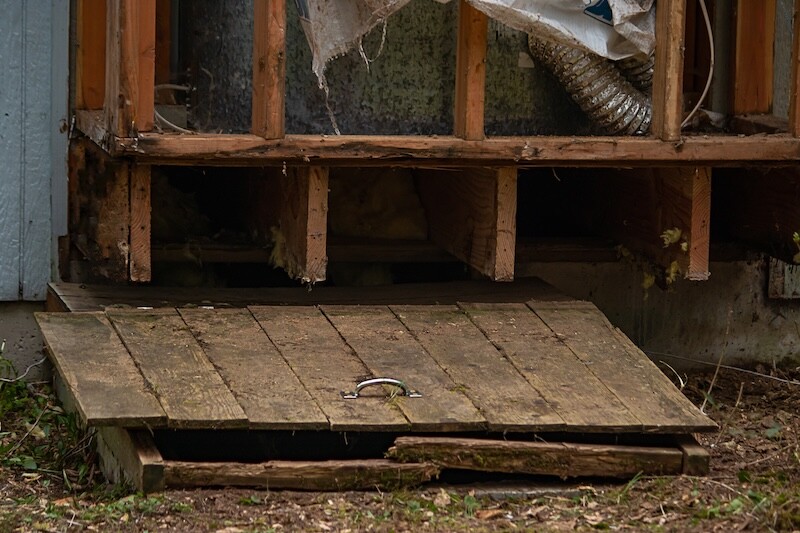
- Many homes throughout Southern Idaho rely on crawlspace foundations rather than full basements. While crawlspaces provide convenient access to plumbing, electrical systems, and ductwork, they also create vulnerable low areas where moisture naturally accumulates. Additionally, Boise-area soil conditions, seasonal groundwater fluctuations, irrigation systems, and aging plumbing infrastructure all contribute to crawlspace flooding risks.
- One of the most common causes involves irrigation line failures during the warmer months. Throughout spring and summer, sprinkler systems run heavily across the Treasure Valley. Unfortunately, even a small crack in an underground irrigation pipe can continuously saturate the soil surrounding a home’s foundation. Over time, that moisture begins migrating beneath the structure and eventually enters the crawlspace.
- Because these leaks often remain hidden underground, homeowners may not discover the issue immediately. Meanwhile, moisture continues spreading beneath the home day after day. Eventually, the excess water begins affecting insulation, wooden framing, subfloor materials, and indoor humidity levels. Consequently, what initially started as a relatively minor irrigation leak can gradually evolve into a much larger disaster cleanup project.
- Seasonal groundwater intrusion also creates serious crawlspace moisture problems throughout parts of Boise and the Treasure Valley. During spring months, melting snowpack and increased rainfall frequently raise groundwater levels around residential foundations. Homes with poor drainage, clogged gutters, improperly sloped landscaping, or existing foundation vulnerabilities often become especially susceptible during wetter seasons.
- Even when standing water never becomes visible inside the living space, elevated moisture beneath the home may still create significant long-term problems. Damp soil continually releases humidity into the crawlspace, while the enclosed environment slows natural drying. As a result, moisture may remain trapped beneath the structure for extended periods, allowing mold growth and wood deterioration to gradually develop over time.
 Crawlspace Flooding Often Goes Undetected
Unlike a burst pipe inside a kitchen or bathroom, crawlspace flooding usually does not create an immediate visible mess inside the home. Instead, the warning signs often appear gradually and indirectly. Many homeowners rarely inspect their crawlspace unless a contractor specifically requests access, which means standing water and elevated humidity may continue damaging the structure long after the original leak begins.
In many situations, homeowners first notice symptoms such as:
- Musty odors inside the home
- Uneven or warped flooring
- Increased indoor humidity
- Sagging insulation
- Allergy symptoms that seem worse indoors
- Mold odors coming from HVAC vents
- Soft spots in flooring
Because these symptoms develop slowly, homeowners sometimes underestimate the seriousness of the problem. However, crawlspace moisture rarely improves on its own. Instead, trapped humidity often continues spreading into surrounding materials while mold growth and structural deterioration gradually worsen beneath the home.
Additionally, many people fail to realize how closely crawlspace conditions affect indoor air quality. Air naturally rises upward through a building in what restoration professionals commonly refer to as the “stack effect.” Consequently, odors, humidity, and airborne contaminants originating beneath the structure may eventually circulate throughout the living space above. In some homes, homeowners notice persistent musty smells upstairs long before realizing the source actually exists beneath the home itself.
Why Professional Disaster Cleanup Matters in Crawlspace Flooding
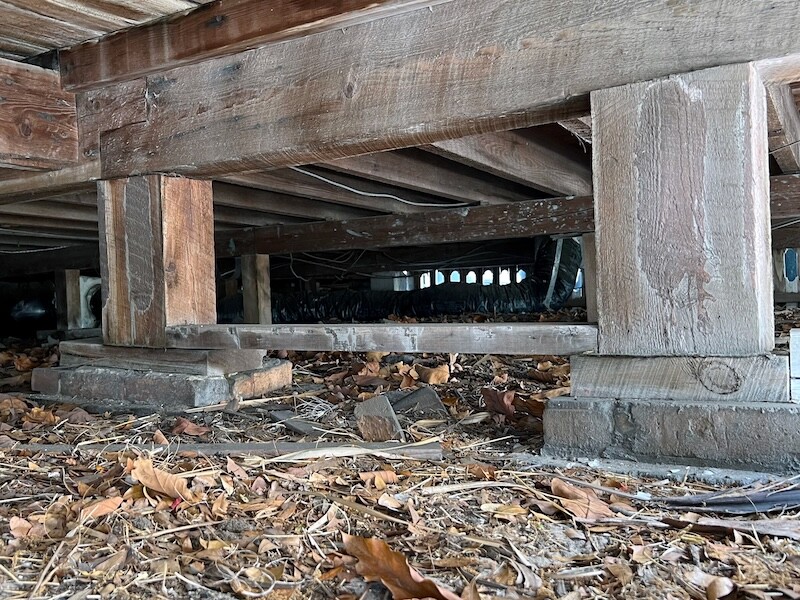 When homeowners discover water inside a crawlspace, many understandably assume the solution simply involves removing the standing water. Unfortunately, crawlspace flooding usually requires far more extensive restoration work than water extraction alone. Moisture frequently spreads into hidden structural materials where it remains trapped long after visible water disappears.
For example, wet insulation often loses effectiveness quickly and may continue holding moisture against wooden framing. Similarly, damaged vapor barriers may no longer protect the crawlspace from ongoing ground moisture intrusion. Meanwhile, wooden subfloors and support beams can slowly absorb water over time, creating conditions that encourage mold growth and structural weakening.
Because of this, professional emergency cleanup often involves multiple stages, including moisture mapping, structural drying, humidity monitoring, insulation removal, vapor barrier replacement, sanitization, and mold remediation when necessary. Specialized drying equipment frequently becomes necessary as well because crawlspaces provide limited airflow and restricted access points.
At Red Truck Disaster Response, we typically respond quickly because delayed cleanup often allows moisture to spread deeper into the structure. In many cases, fast emergency cleanup helps reduce:
- Structural wood damage
- Mold growth
- Odor absorption
- Insulation replacement costs
- Long-term moisture problems
- Indoor air quality concerns
The longer moisture remains trapped beneath a home, the greater the likelihood that more extensive repairs will eventually become necessary.
Sewage Intrusion Creates Additional Health Risks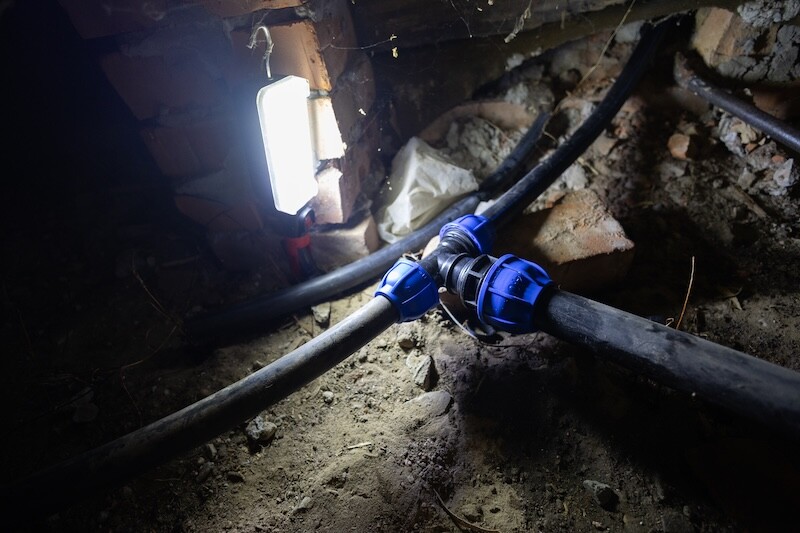
- In some crawlspace flooding situations, the water involved may contain sewage contamination rather than clean groundwater alone. Broken sewer lines, drain backups, or plumbing failures beneath the home can release contaminated water directly into the crawlspace. When this occurs, the situation becomes significantly more hazardous because sewage may contain bacteria, pathogens, and harmful microorganisms.
- Unfortunately, contaminated water often spreads farther than homeowners initially expect. Porous materials such as insulation, vapor barriers, wood framing, and stored belongings may quickly absorb contaminated moisture. Consequently, professional disaster cleanup often requires removing damaged materials and thoroughly sanitizing the affected areas.
- Attempting to handle sewage cleanup without proper equipment and containment procedures may expose homeowners to unnecessary health concerns. Additionally, improper cleanup methods sometimes leave behind hidden contamination that continues affecting indoor air quality long after visible water disappears. Because of this, professional emergency cleanup typically plays a major role in helping restore safe conditions beneath the home.
 Vapor Barrier Damage Can Lead to Ongoing Problems
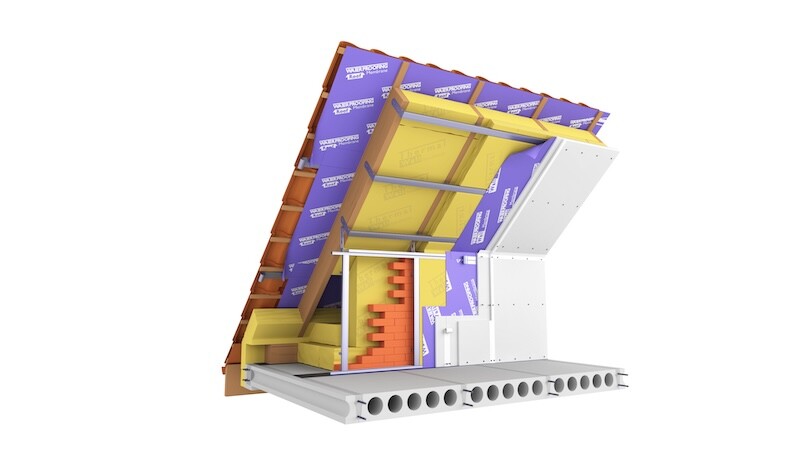
- One area homeowners frequently overlook after crawlspace flooding involves the condition of the vapor barrier itself. Vapor barriers help separate the crawlspace from underlying soil moisture. However, floodwater often damages, contaminates, or displaces these protective materials.
- Once compromised, the vapor barrier may no longer effectively reduce humidity intrusion beneath the structure. As a result, damp soil can continue releasing moisture into the crawlspace long after the original flooding event ends. Over time, that lingering humidity may allow mold growth and wood deterioration to redevelop beneath the home.
- Consequently, professional disaster cleanup frequently includes inspecting and replacing damaged vapor barriers after the crawlspace fully dries. Simply removing standing water without addressing damaged moisture protection often allows future problems to return.
Fast Emergency Cleanup Helps Protect the Structure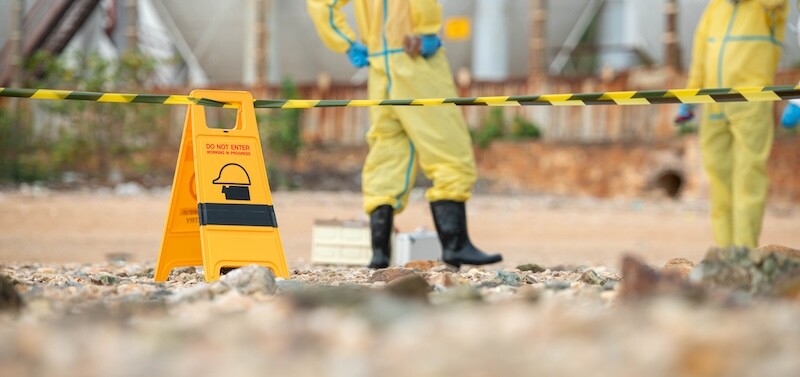
- One of the biggest misconceptions surrounding crawlspace flooding involves the belief that the area will eventually dry naturally over time. Unfortunately, crawlspaces generally lack the ventilation and airflow necessary for effective drying. Instead, moisture often remains trapped beneath the home for extended periods while hidden damage continues spreading.
- The longer water remains inside the crawlspace, the greater the risk of structural deterioration. Prolonged moisture exposure may weaken wooden framing, damage subfloors, rust metal supports, and reduce insulation performance throughout the home. Furthermore, extended humidity often increases the amount of mold remediation required later.
- Because of this, early intervention typically provides the best opportunity to limit long-term damage. Professional disaster cleanup not only removes standing water but also helps identify hidden moisture conditions that homeowners may never see on their own.
If you notice musty odors, elevated humidity, warped flooring, or signs of moisture beneath your home, addressing the problem early may help prevent much larger restoration costs later.
 About Red Truck Disaster Response in Boise, Idaho
Red Truck Disaster Response was established in 2016. Through our experience working for a national franchise, we have seen first-hand how larger companies fail to provide the level of customer service their clients need and deserve when we are going through a loss to their home. We started Red Truck and made the conscious decision to put service first. Our clients are our highest priority. With a focus on professional and supportive service and open communication, we help our clients restore both their homes and their lives after a disaster. We will work with any insurance company and can handle any size loss. If you face a loss of any kind, 24/7, call our hotline (208) 336-3853 and we’ll be happy to help!
This blog is for informational purposes only. If you have questions about your specific situation, we will be happy to come out and look at no charge. Inspections are always free.
