



 What Happens in the First 30 Minutes After You Contact Red Truck
When water starts pouring into your home, a pipe bursts, or a crawlspace floods, time becomes the most important factor in limiting damage. Most homeowners understand that they need help quickly—but very few know what actually happens after they contact Red Truck. At Red Truck Disaster Response, we’ve built our process around speed, communication, and clarity. Every situation differs, so we adjust our response based on the details of each loss. That said, there are consistent steps we typically follow in the first 30 minutes after you contact us—and those steps can make a major difference in how much damage your home ultimately sustains.
Let’s walk through what usually happens behind the scenes.
The Call: Who Answers and What We Ask
When you call Red Truck Disaster Response, you’re not routed through a generic call center in another country. You reach someone in Idaho who understands the urgency of the situation and knows how to start the process immediately.
In most cases, we begin by asking a few key questions:
- What type of loss are you experiencing? (water, sewer, mold, etc.)
- When did the issue start?
- Where is the damage located?
- Is the source of water still active?
These questions aren’t just routine—they help us determine how to respond and what equipment to bring. For example, a clean water line break requires a different approach than a sewer backup. A flooded crawlspace calls for different tools than water coming through a ceiling.
 Dispatch: Getting a Crew Moving Quickly
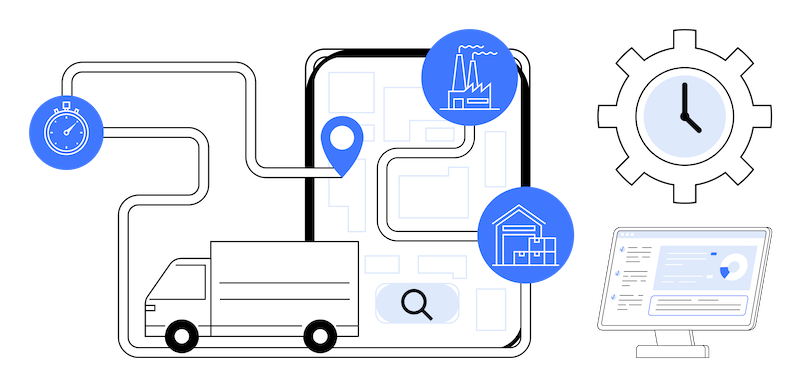
Once we understand the situation, we typically begin dispatching a crew right away. In fact, in many cases, we can respond within about 45 minutes across the Treasure Valley, depending on location, traffic, and current demand. That rapid response matters because water doesn’t stay in one place—it spreads, absorbs, and begins affecting materials almost immediately.
While the crew prepares to head out, we continue coordinating behind the scenes:
- Confirming your location and access details
- Reviewing the type of loss
- Selecting the right equipment for the job
This early coordination allows us to arrive prepared, not guessing.
What Gets Loaded on the Truck
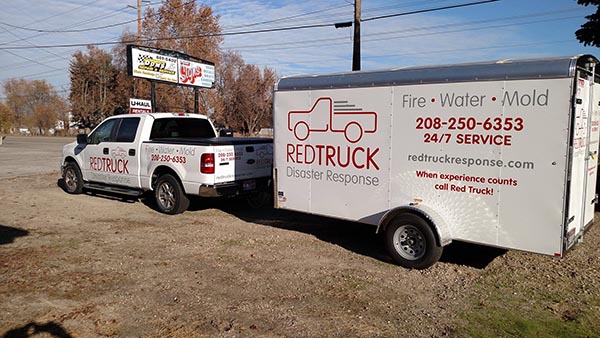
What gets loaded on to our trucks when you contact Red Truck?
Every emergency call requires a slightly different setup, but our trucks typically carry a range of equipment designed to handle immediate mitigation.
Depending on the situation, we may bring:
- Water extraction equipment
- Air movers and dehumidifiers
- Moisture detection tools
- Containment materials
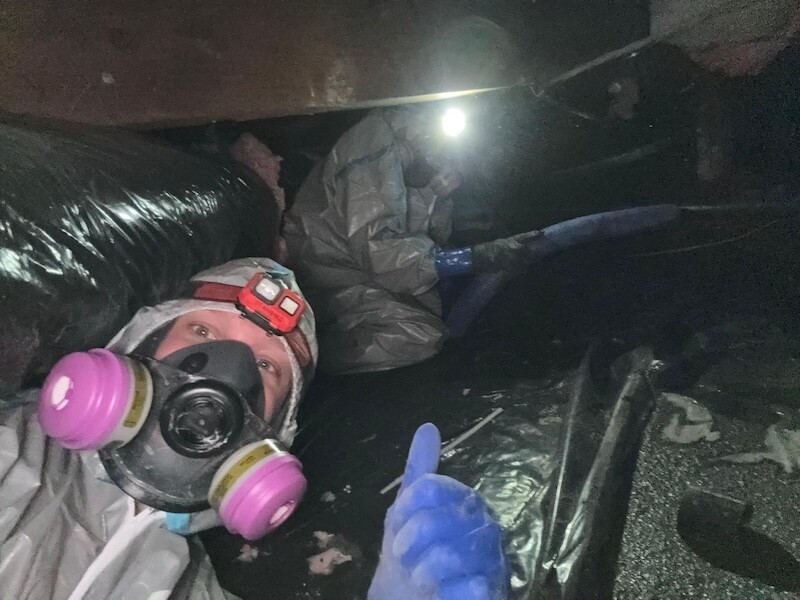
- Personal protective equipment (especially for contaminated losses)
We don’t take a one-size-fits-all approach. We load based on what we expect to encounter, and we adjust further once we arrive and assess the actual conditions.
Why the First Hour Matters So Much
 Water damage follows a predictable timeline—but it moves faster than most people expect. In the early stages, water begins to:
- Spread into adjacent materials
- Wick up drywall and framing
- Saturate insulation
- Create hidden moisture pockets
Within hours, those conditions can worsen. Materials start breaking down, odors develop, and the risk of microbial growth increases. That’s why we focus heavily on early response. The faster we can begin extraction and drying, the more we can typically limit the extent of damage.
Arrival: Initial Assessment and Stabilization
When we arrive on-site, we don’t immediately start tearing things apart. We begin with a careful assessment.
We typically:
- Identify the source of the loss (if still active)
- Evaluate affected areas
- Use moisture meters to detect hidden saturation
- Determine the category of water involved
From there, we prioritize stabilization.
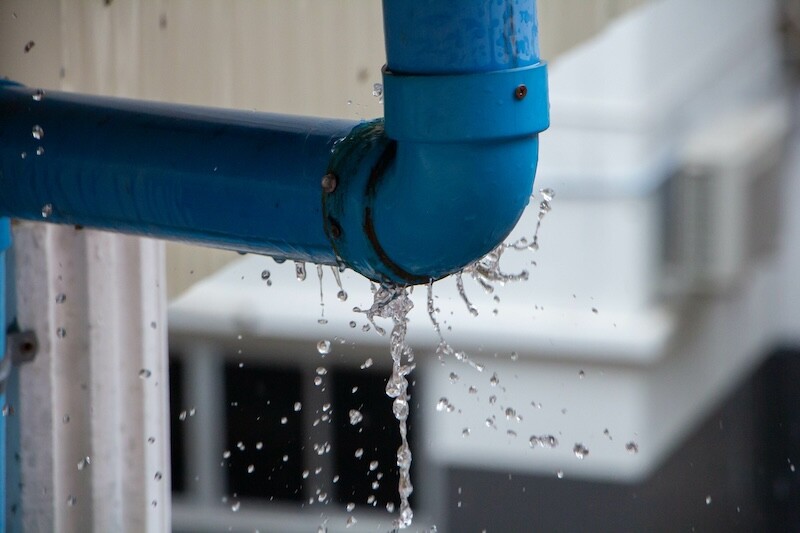 That may include:
- Stopping or isolating the source of water
- Beginning extraction
- Setting up initial drying equipment
- Creating containment if necessary
Every step depends on the conditions we find. No two losses look exactly the same, so we adjust our approach accordingly.
Communication: Keeping You Informed from the Start
One of the biggest concerns homeowners have during a disaster is uncertainty. We focus on clear communication from the very beginning. As we assess the situation, we explain:
- What we see
- Which steps we recommend
- What the next phase will look like
We don’t rush past this part. Understanding the process helps reduce stress and allows you to make informed decisions.
Documentation: Supporting the Insurance Process
In many cases, we also begin documenting the loss immediately.
We often:
- Take photos of affected areas
- Record moisture readings
- Track the progression of drying
This documentation becomes important if you choose to file an insurance claim. It helps demonstrate the extent of damage and the steps taken to mitigate it. While we work with all insurance companies, we always approach each situation carefully. Every claim differs, and we aim to provide accurate, thorough information rather than making assumptions about coverage.
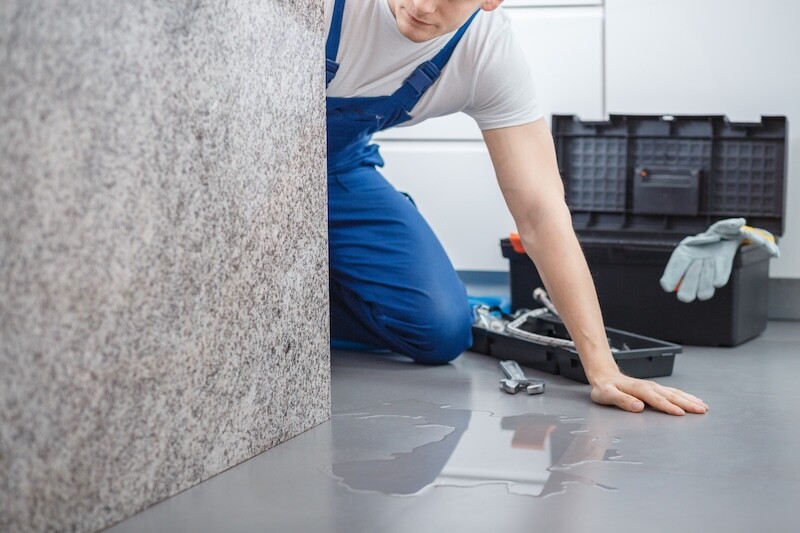 Adjusting to the Situation When You Contact Red Truck
It’s important to understand that while this process reflects what we typically do, every call comes with its own variables.
Factors that can influence our approach include:
- The type of water involved (clean, gray, or contaminated)
- How long the issue has been active
- The materials affected
- Access to the damaged area
Because of this, we avoid cookie-cutter solutions. We assess, adjust, and respond based on what your specific situation requires.
Why Speed and Experience Work Together After You Contact Red Truck
Speed alone doesn’t solve the problem—speed combined with experience does. Responding quickly allows us to limit damage but knowing what to do when we arrive is what protects your home long-term.
We’ve handled a wide range of losses throughout the Treasure Valley, including:
- Burst pipes
- Crawlspace flooding
- Sewer backups
- Appliance failures
- Storm-related damage
That experience helps us recognize patterns, anticipate challenges, and act efficiently.
What You Should Do While Waiting for Help
While we’re on the way, there are a few steps you can take if it’s safe to do so:
- Turn off the water source if possible
- Shut off electricity to affected areas if necessary
- Move valuables out of standing water
- Avoid contact with contaminated water
If you’re unsure, it’s always better to wait. Safety comes first.
Bringing It All Together
The first 30 minutes after you contact Red Truck Disaster Response set the tone for everything that follows. From the moment you call, we begin gathering information, dispatching a crew, preparing equipment, and planning our approach. Once we arrive, we assess, stabilize, and begin the process of restoring your home.
Every situation differs, but one principle stays the same: acting quickly and thoughtfully helps reduce damage and shorten recovery time.
If you experience water damage, crawlspace flooding, or any type of disaster-related loss, don’t wait to see if it improves. Reach out right away. We’ll walk you through the next steps and respond as quickly as possible.
 About Red Truck Disaster Response in Boise, Idaho
Red Truck Disaster Response was established in 2016. Through our experience working for a national franchise, we have seen first-hand how larger companies fail to provide the level of customer service their clients need and deserve when we are going through a loss to their home. We started Red Truck and made the conscious decision to put service first. Our clients are our highest priority. With a focus on professional and supportive service and open communication, we help our clients restore both their homes and their lives after a disaster. We will work with any insurance company and can handle any size loss. If you face a loss of any kind, 24/7, call our hotline (208) 336-3853 and we’ll be happy to help!
This blog is for informational purposes only. If you have questions about your specific situation, we will be happy to come out and look at no charge. Inspections are always free.
