



 When fans stop running, dry wall has been repaired, and everything looks normal again, most homeowners assume the water damage is completely behind them. Usually, that’s true. However, in some cases, problems return weeks or even months later—not because water damage is unpredictable, but because moisture was never fully addressed in the first place. Hidden dampness can linger inside walls, beneath flooring, or in other concealed areas where it isn’t visible to the naked eye.
The good news is that water damage shouldn’t come back after a professional restoration. When the drying process is completed correctly and every affected area has been properly evaluated, homeowners can move forward with confidence instead of wondering whether hidden problems are waiting to surface.
 Looking Dry & Being Dry: Can Water Damage Come Back?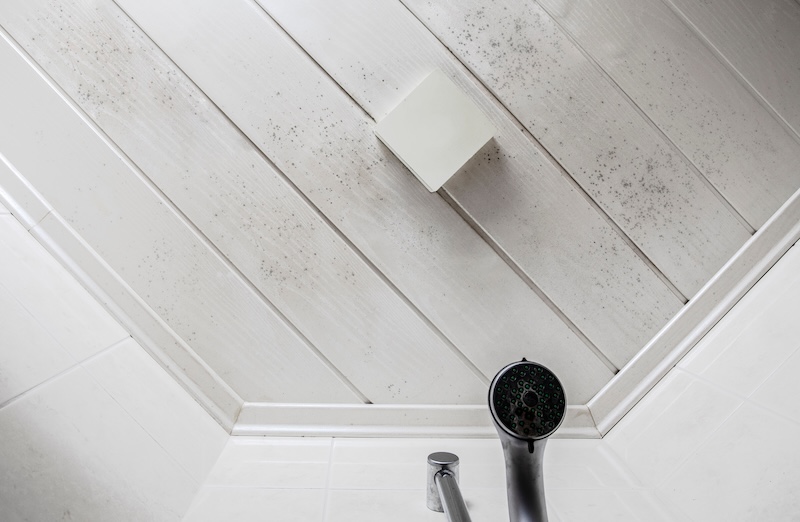
One of the biggest misconceptions about water damage is that once a surface feels dry, the problem has been solved.Unfortunately, moisture doesn’t always behave that way.
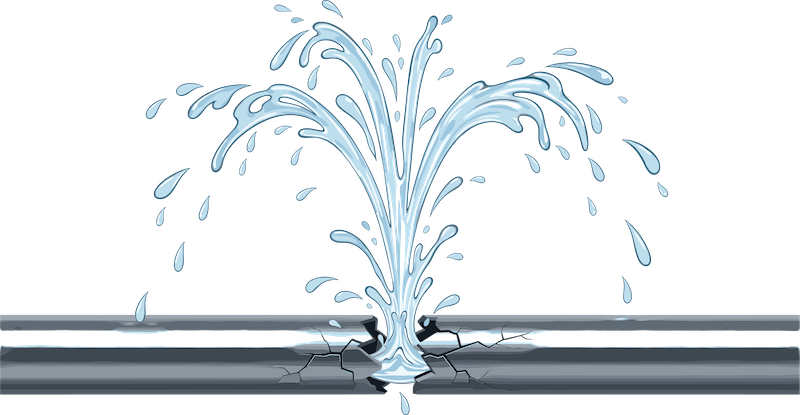
Water often travels far beyond the area where the leak or flood first occurred. It can wick into insulation, migrate behind baseboards, seep beneath flooring, and soak structural framing without leaving obvious visible evidence. That’s why professional restoration involves much more than drying what can be seen. It also requires identifying where moisture may have traveled before repairs begin.
Without that step, it’s possible for damp materials to remain hidden even though the room appears completely normal.
What Happens If Walls Trap Moisture?
 When moisture remains trapped inside building materials, several problems can develop over time. Depending on the circumstances, homeowners may eventually notice:
- Musty or unpleasant odors
- Peeling paint or bubbling drywall
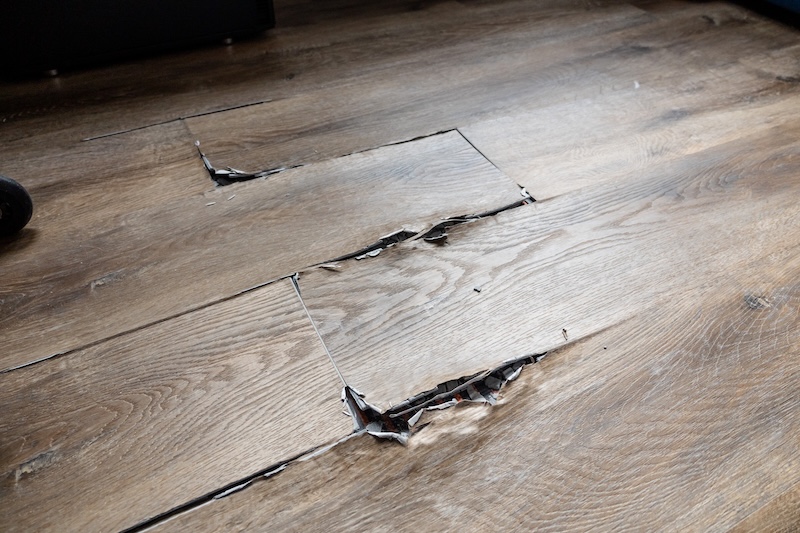
- Warped flooring
- Staining or discoloration
- Soft or deteriorating building materials
- Mold growth in previously hidden areas
None of these problems usually appear overnight. Instead, they often develop gradually as trapped moisture continues affecting the surrounding materials. That’s one reason professional drying is every bit as important as the visible repairs that happen afterward.
Can Mold Return After Water Damage?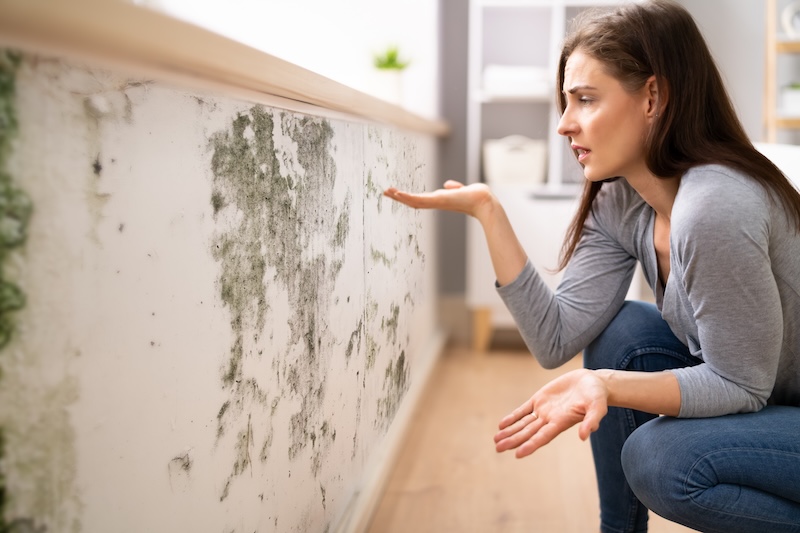
 This is one of the questions we hear most often. In many cases, what people describe as mold “coming back” is actually mold growing in an area that never completely dried. Mold needs moisture to grow. If all affected materials are thoroughly dried and moisture sources have been eliminated, mold typically has no reason to continue developing. On the other hand, if hidden moisture remains inside a wall cavity, beneath flooring, or within insulation, mold can begin growing long after the visible repairs have been completed.
That’s why moisture detection plays such an important role during the restoration process.
After Water Damage: The Drying Process Matters
 Many homeowners understandably focus on the repairs they can see. New drywall, fresh paint, and restored flooring often signal that life is returning to normal. The most important work, however, frequently happens before those repairs ever begin.
Proper water damage restoration typically includes:
- Locating hidden moisture
- Removing water-damaged materials when necessary
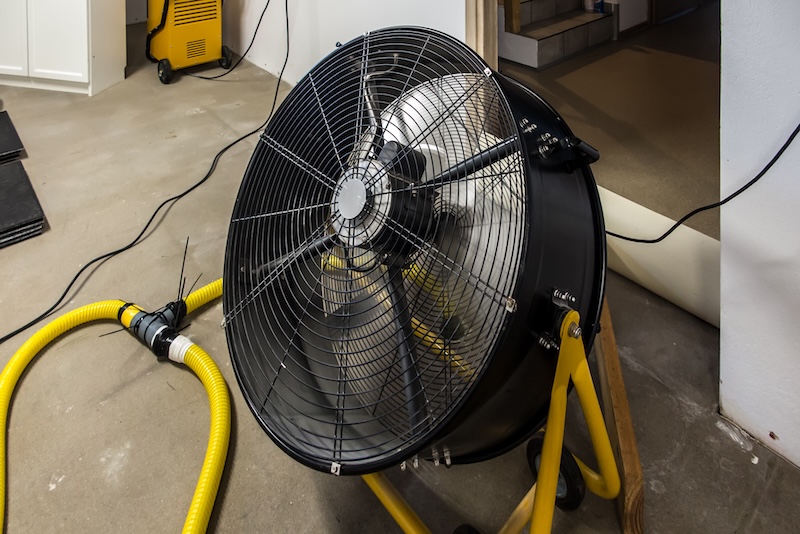
- Setting professional drying equipment
- Monitoring moisture levels throughout the drying process
- Verifying that affected materials have reached acceptable moisture levels before reconstruction begins
Each step builds on the one before it. Skipping any part of the process increases the likelihood that moisture could remain trapped where it doesn’t belong.
How To Measure If Water Damage is Fully Fixed?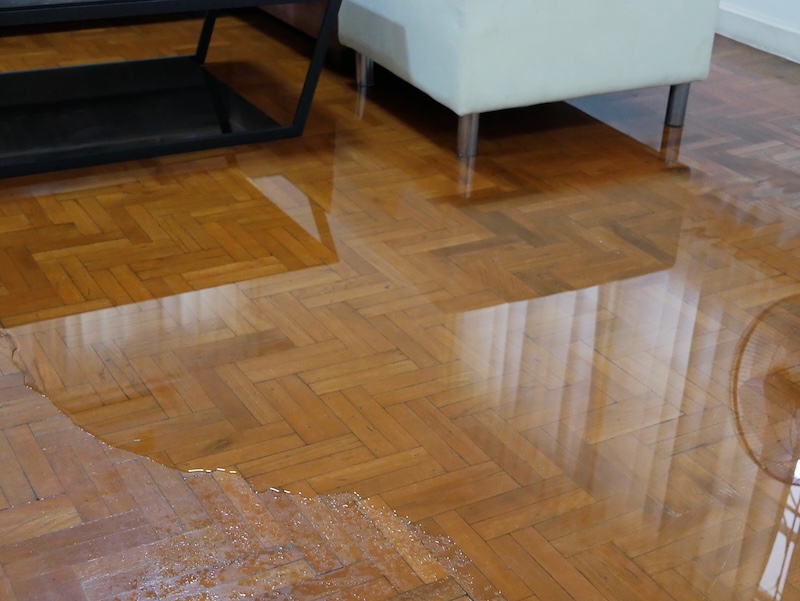
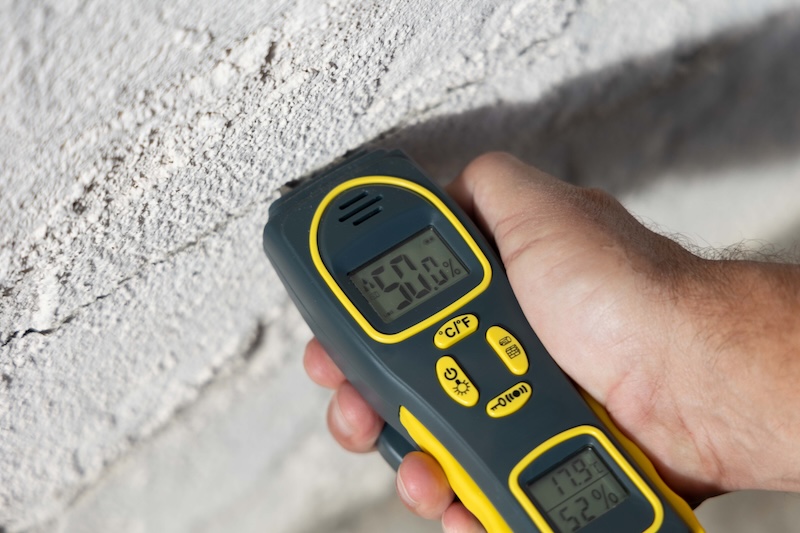
That’s a fair question, especially if you’ve never experienced water damage before. A quality restoration company doesn’t simply rely on appearance. Professional technicians use specialized moisture meters, thermal imaging equipment, and documented drying procedures to determine whether affected materials have actually dried—not just whether they look dry. Those tools allow technicians to evaluate areas that homeowners can’t easily inspect themselves, helping ensure hidden moisture isn’t overlooked before repairs begin. The goal isn’t simply making the home look normal again. It’s making sure the conditions that caused the damage have been fully addressed.
Experience Makes the Difference
 Every water damage situation is different. A small appliance leak behaves differently than a burst pipe. A roof leak affects materials differently than a sewage backup or flooding event. Knowing how water moves through different building materials—and where hidden moisture is most likely to remain—comes from training, experience, and careful attention to detail. That’s why choosing an experienced restoration company matters. Proper equipment is certainly important, but it’s only as effective as the professionals using it. Knowing where to look, what to test, and when a structure is truly dry helps prevent problems from resurfacing long after the visible repairs have been completed.
Water Damage Coming Back: Drying Shouldn’t Become a Second Disaster
Nobody wants to finish a restoration project only to discover musty odors, warped flooring, or mold several months later.Fortunately, that isn’t what homeowners should expect from a properly completed restoration. At Red Truck Disaster Response, we believe the most successful restoration is the one homeowners never have to think about again. By carefully identifying hidden moisture, thoroughly drying affected materials, and verifying that the structure is ready before reconstruction begins, we help reduce the risk of recurring problems so families can move forward with confidence.
If your home has experienced water damage, the goal shouldn’t simply be making it look repaired. It should be making sure it’s truly dry from the inside out.
About Red Truck Disaster Response in Boise, Idaho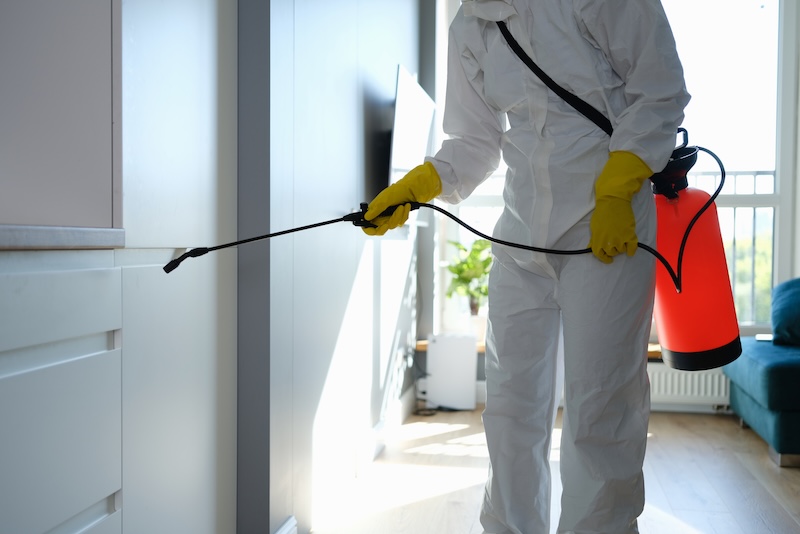
Red Truck Disaster Response proudly provides 24/7 emergency restoration services. Our territory extends throughout Boise, Meridian, Eagle, Nampa, Kuna, Star, Caldwell, and the surrounding Treasure Valley. Our experienced team specializes in water damage restoration, mold remediation, sewage cleanup, crawlspace restoration, fire and smoke damage, reconstruction, and complete disaster recovery. Using advanced drying equipment and proven restoration techniques, we help homeowners and businesses recover from unexpected disasters while working to prevent hidden moisture from becoming a future problem.
This blog is for informational purposes only. Every water damage situation is unique, and restoration needs vary depending on the extent of the damage. If you suspect water damage in your home or business, Red Truck Disaster Response offers free inspections to help determine the best course of action.
