




 What Should I Do Immediately After a Pipe Bursts in My Home?
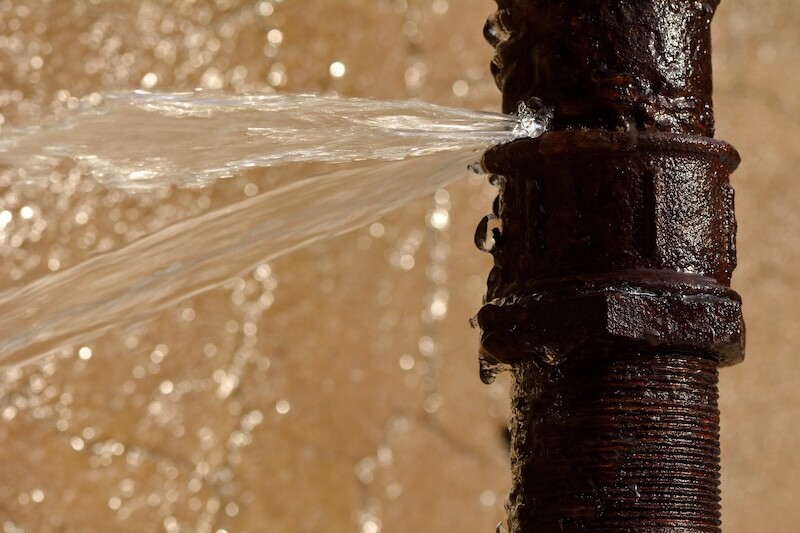
A burst pipe can turn an ordinary day into an emergency within minutes. Before you understand the gravity, water could pour through a ceiling. This may spread across flooring, soak drywall, or run into cabinets before you have grasp the magnitude. In that moment, it is easy to panic. Many worry about electrical hazards, ruined belongings, structural damage. Or you could fear the speed of water spread.
However, the first few minutes after a pipe bursts matter. You may need professional assessment of water damage. Taking the right steps immediately often reduces the amount of damage and help protect your home until help arrives. The key is knowing what to do first, what to avoid, and when to call an emergency cleanup team.
What Is the First Thing to Do After Finding a Burst Pipe?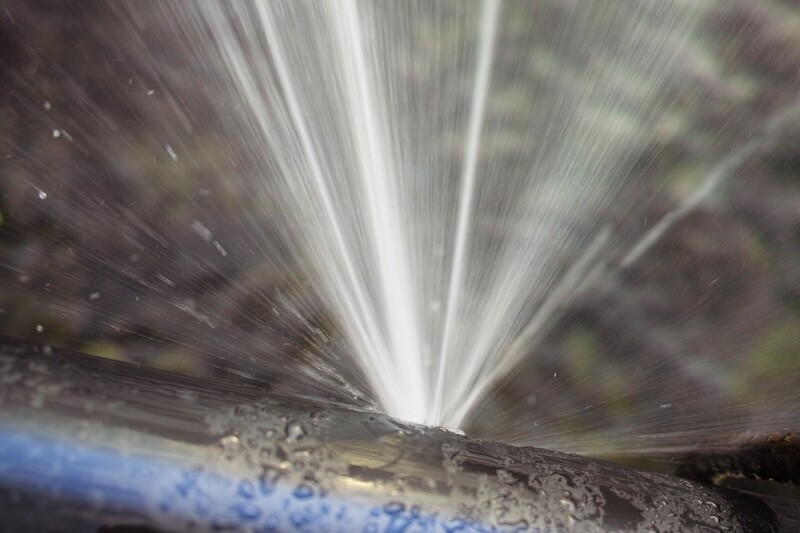
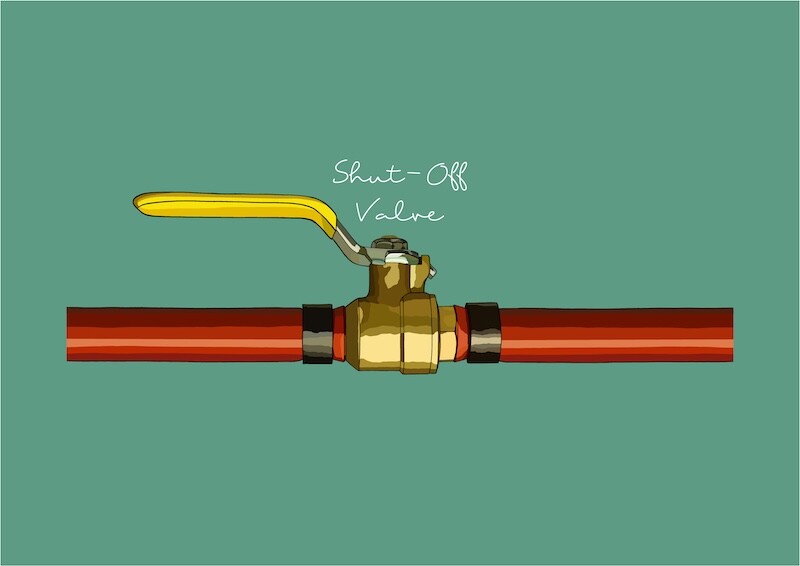
The first priority is to stop the flow of water as quickly as possible. In most situations, that means shutting off the main water supply to the home. Some fixtures feature local shutoff valves. A burst pipe inside a wall, ceiling, crawlspace, or utility area may continue releasing water until someone turns off the main valve.
Because emergencies are stressful, it is helpful to know where your main water shutoff valve is before a pipe bursts. In many homes, it may be located in a basement, crawlspace, garage, mechanical room, or near where the water line enters the home. Once you turn off the valve, open a few faucets to help relieve pressure in the lines. This will not remove all the water from the system, but it can help reduce continued leaking while you wait for repairs.
Should I Turn Off Water or Electricity First After Discovering a Burst Pipe?
 In most burst pipe situations, turning off the water comes first because active water flow is what allows the damage to keep spreading. However, electricity becomes an immediate concern if water is near outlets, electrical panels, appliances, light fixtures, extension cords, or standing water on the floor.
If you can safely reach the main water shutoff without walking through standing water or touching wet electrical components, shut off the water first. On the other hand, if water is already near electrical hazards, do not step into the affected area. In that situation, it may be safer to shut off power from a dry location if you can do so safely or call emergency professionals for guidance. Water and electricity are a dangerous combination, so personal safety should always come before property cleanup.
Move People, Pets, and Valuables Out of the Affected Area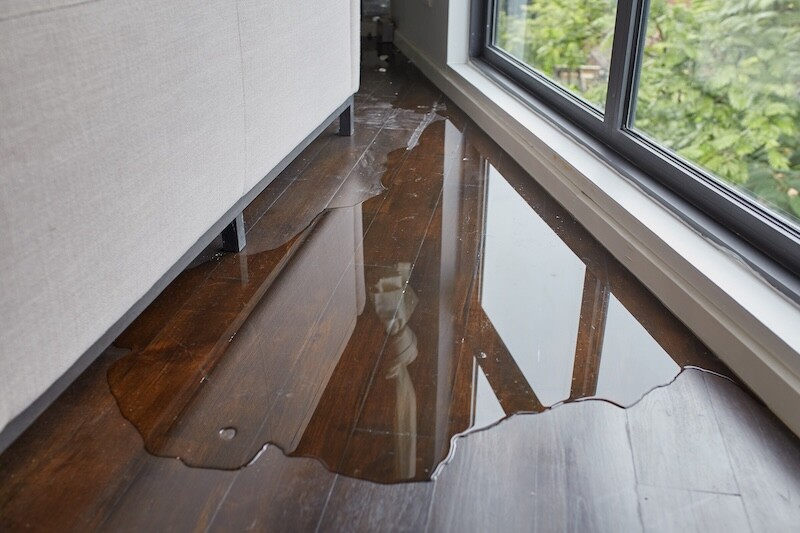
Once the immediate hazard is under control, the next step is to keep people and pets away from the damaged area. Even clean water from a supply line can create slippery surfaces, weakened flooring, falling ceiling materials, and electrical risks. Because of that, it is usually best to limit traffic through the area until the water has been removed and the space has been inspected.
If it is safe to do so, move important belongings away from the water. This may include electronics, documents, rugs, small furniture, keepsakes, and anything sitting directly on wet flooring. However, do not risk injury trying to move heavy furniture or items in an unsafe area. Larger belongings can often be addressed later by a restoration team that has the right equipment and protective gear.
Burst Pipe? Call a Water Damage Restoration Company Immediately
 Once the water has been shut off—or if you are unable to safely access the shutoff valve—contact an emergency water damage restoration company such as ours, as quickly as possible. While the burst pipe may have caused the problem, the water that has already entered your home is typically the more immediate concern. In many cases, moisture begins moving into drywall, insulation, flooring, cabinetry, trim, and other building materials within a surprisingly short period of time.
As a restoration company, we can usually assess the affected areas, identify hidden moisture, begin water extraction. What’s more, we can develop a drying plan before secondary damage has an opportunity to spread. Depending on the situation, technicians may also help determine whether additional repairs are needed and whether a plumber should be brought in immediately.
Many homeowners assume their first call should always be a plumber. However, repairing the pipe only addresses the source of the leak. The water that has already escaped may continue causing damage long after the plumbing issue has been corrected. As a result, it is often beneficial to begin addressing the water damage as soon as possible while coordinating any necessary repairs at the same time.
Because every situation is different, the next steps often depend on how much water escaped and where it traveled. Even after the source of the leak has been stopped, moisture may remain inside walls, beneath flooring, behind cabinets, under baseboards, inside insulation, or within crawlspaces. Unfortunately, materials can appear dry on the surface while still holding significant moisture underneath. That hidden moisture is frequently where larger restoration issues begin, particularly when drying is delayed.
Document the Burst Pipe Damage Before Major Cleanup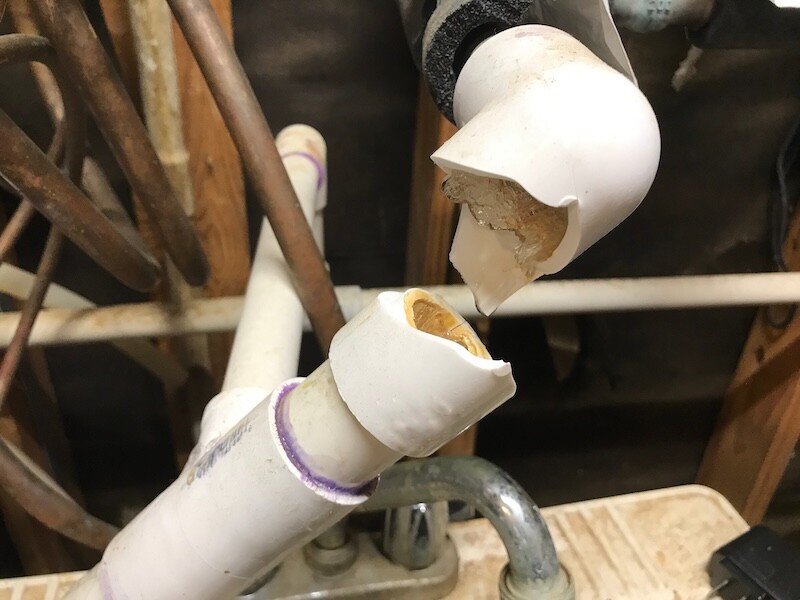
Before moving too much around, take photos and videos of the affected areas if it is safe. Capture wide shots of the room as well as closer images of wet flooring, damaged walls, ceilings, cabinets, furniture, and personal belongings. This documentation may be helpful if you contact your insurance company. If you work with Red Truck, we will help document the scene.
After recording the damage, you can begin basic cleanup if the water is clean and the area is safe. For example, you may be able to blot standing water with towels, place buckets under active drips, or move small items to a dry area. Even so, basic cleanup should not replace professional drying when water has spread into building materials. Water travels quickly, and the most important moisture is often the moisture you cannot see.
What Not to Do After A Burst Pipe & Associated Water Damage
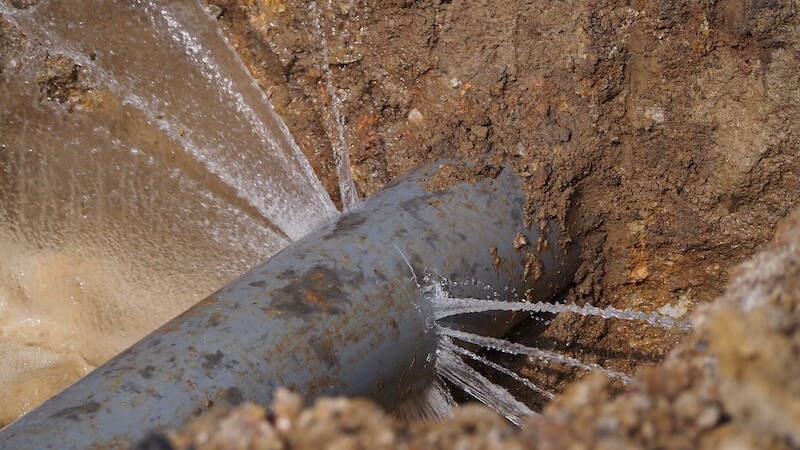 After a pipe bursts, homeowners often try to fix the situation quickly, which is completely understandable. However, certain actions can make the damage worse or create safety risks. For example, do not use a household vacuum to remove water unless it is specifically designed as a wet vacuum. Do not turn on ceiling lights or use outlets in wet areas. Do not place fans randomly and assume the space is dry once the surface looks better.
It is also important not to wait several days to see whether the area dries on its own. While small spills on hard surfaces may dry quickly, water from a burst pipe often moves into materials that dry much more slowly. Drywall, insulation, subflooring, trim, carpet padding, and cabinetry can all hold moisture long after the visible water is gone. As a result, waiting too long may increase the risk of odor, swelling, staining, microbial growth, and more expensive repairs.
Why Fast Drying Matters So Much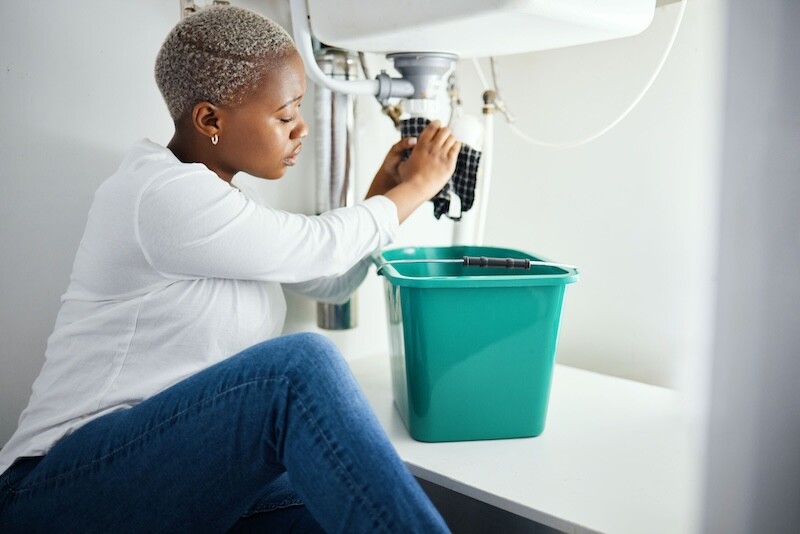
The longer water sits, the more it spreads. What begins as a plumbing leak in one room can move under flooring, into adjacent walls, through ceiling cavities, and into lower levels of the home. Because building materials absorb moisture at different rates, the damage may continue developing even after the water source has been shut off.
Professional restoration teams use moisture meters, extraction equipment, air movers, dehumidifiers, and drying plans to address the affected areas more thoroughly. Instead of guessing whether materials are dry, technicians can measure moisture and monitor progress. This matters because a home can look normal on the surface while still holding enough moisture to cause problems later.
When Is a Burst Pipe an Emergency?
A burst pipe should usually be treated as an emergency if water is actively flowing, spreading into walls or ceilings, affecting electrical areas, soaking carpet or flooring, entering a crawlspace, or impacting more than a small, isolated area. It is also urgent when the water affects a business, rental property, medical office, restaurant, or commercial space where downtime creates additional problems.
In many situations, we can help determine the true scope of the damage even when the leak appears relatively minor. Moisture detection equipment can often identify water that has traveled beyond what is visible to the naked eye. As a result, homeowners sometimes discover that water has spread farther than expected despite appearing contained at first glance.
Even when the water appears limited, it is often worth having the affected area inspected. Restoration professionals can help determine how far the moisture traveled and whether drying equipment is needed. In many cases, quick action prevents a manageable water damage event from turning into a much larger restoration project.
A Simple Burst Pipe Action Plan
 If a pipe bursts in your home, the best response is to move quickly while staying safe. First, shut off the main water supply if you can safely reach the valve. Next, avoid electrical hazards and keep people and pets away from wet areas. If conditions allow, document the damage and move valuable belongings out of harm’s way.
After those immediate steps have been taken, contacting an emergency water damage restoration company is one of the most important decisions you can make. A professional assessment can help determine how far the water traveled, whether hidden moisture is present, and what drying measures may be necessary to help protect the property.
Depending on the cause of the leak, plumbing repairs may also be required. However, many homeowners find that the greatest risk comes not from the broken pipe itself, but from the moisture left behind. Water can continue affecting building materials long after the flow has stopped, which is why early assessment and drying are typically so important.
Although the situation may feel overwhelming, taking a few deliberate steps can often help limit damage and create a clearer path toward recovery. Once the water is stopped and professionals have begun evaluating the affected areas, the focus can shift from emergency response to restoring the home or business as efficiently as possible.
About Red Truck Disaster Response in Boise, Idaho
Red Truck Disaster Response provides 24/7 emergency cleanup and disaster restoration services throughout Boise, Meridian, Eagle, Nampa, Garden City, Kuna, Star, and the surrounding Treasure Valley. Founded in 2016 and voted Idaho’s Best Disaster Response Company in 2025, Red Truck Disaster Response specializes in water damage restoration, mold remediation, sewage cleanup, crawlspace restoration, fire and smoke damage cleanup, reconstruction, and emergency disaster cleanup. When water damage affects your home or business, the Red Truck team can typically respond quickly, assess the damage, and begin the cleanup and drying process.
This blog is for informational purposes only. If you have questions about your specific situation, we will be happy to come out and look at no charge. Inspections are always free.
