



 Disaster Cleanup vs. Emergency Cleanup for Boise Homeowners
When water damage hits your home, the situation feels urgent—and it is. Whether a pipe bursts, a roof leak develops, or a crawlspace floods, the first priority involves getting help fast. That’s where two commonly searched terms come into play: disaster cleanup and emergency cleanup. Boise homeowners often use these terms interchangeably. While they overlap, each one highlights a different phase of the recovery process. Understanding how they work together helps you respond faster, limit damage, and restore your home more efficiently.
Let’s break down what disaster cleanup and emergency cleanup really mean—and why both matter when water damage strikes.
What Is Emergency Cleanup?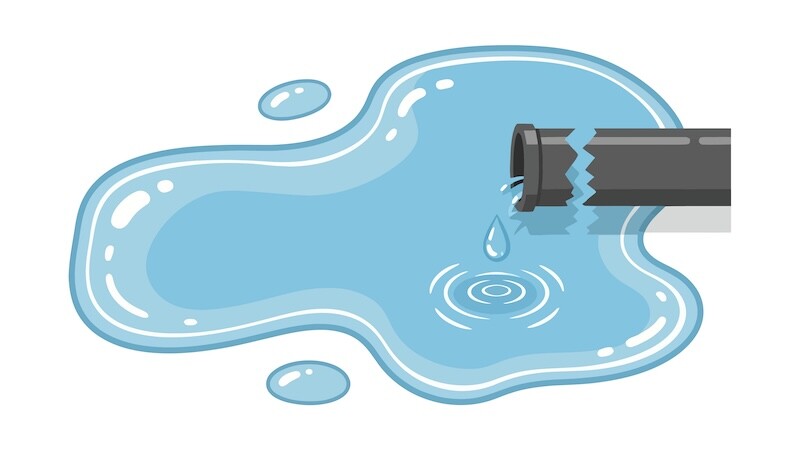
Emergency cleanup focuses on the immediate response. This phase begins the moment you discover water damage and make the call. The goal centers on stabilizing the situation and preventing further loss. In many cases, this first response happens within minutes or hours—not days.
Emergency cleanup often includes:
- Rapid assessment of the affected area
- Water shut-off guidance (if needed)
- Initial water extraction
- Containment to prevent spread
- Moisture detection using specialized equipment
- Immediate drying setup
During this stage, time matters most. Water continues to move, absorb, and spread through materials like drywall, insulation, and flooring. Acting quickly limits how far that damage travels. We arrive ready to begin this process right away, focusing on controlling the situation before it escalates.
 What Is Disaster Cleanup?
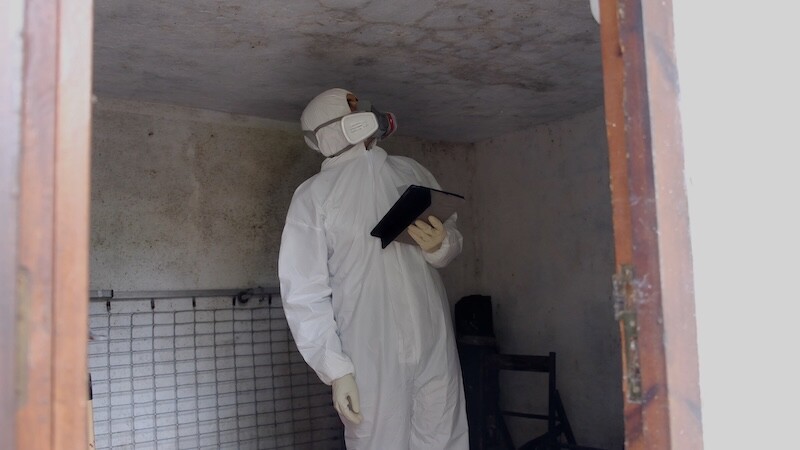
Disaster cleanup takes over once the immediate emergency stabilizes. While emergency cleanup stops the damage from getting worse, disaster cleanup focuses on restoring your home and addressing everything the water affected.
This phase often involves:
- Continued structural drying
- Removal of damaged materials (when necessary)
- Mold prevention and remediation
- Cleaning and sanitizing affected areas
- Odor removal
- Coordination with insurance documentation
Disaster cleanup goes deeper. It addresses the hidden moisture, secondary damage, and long-term risks that don’t always show up during the initial response. Both phases work together. One controls the problem. The other resolves it completely.
Why the First 24 Hours Matter Most for Boise Homeowners
The timeline of water damage moves quickly. Within the first few hours, water begins soaking into porous materials. Drywall absorbs moisture. Wood framing starts to swell. Insulation traps water in places you can’t see. By the 24-hour mark, conditions often support mold growth. Odors begin to develop. Structural materials weaken. That’s why emergency cleanup plays such a critical role. Acting early reduces how much disaster cleanup becomes necessary later. A fast response can mean the difference between drying materials in place and needing to remove and replace them.
Where Water Hides (And Why It Matters)
One of the biggest misconceptions about water damage involves what you can see. Standing water grabs attention, but hidden moisture causes the real problems.
We often find water in:
- Wall cavities behind drywall
- Insulation in attics and crawlspaces
- Subflooring beneath carpet or flooring
- Baseboards and trim
- Structural framing
Even after surfaces appear dry, moisture can remain trapped in these areas. Without proper detection and drying, that moisture can lead to mold growth, wood rot, and ongoing odor issues. Both emergency cleanup and disaster cleanup rely on identifying and addressing these hidden pockets.
 Different Causes, Same Urgency
Water damage doesn’t come from just one source. In Boise and the surrounding areas, we typically respond to:
- Burst pipes during seasonal temperature swings
- Appliance failures (dishwashers, washing machines, water heaters)
- Roof leaks that allow water into attic spaces
- Crawlspace flooding from irrigation or groundwater issues
- Sewer backups that require specialized handling
Each situation carries its own challenges, but the response follows the same principle: act fast, contain the damage, and restore the affected areas completely.
Why Professional Equipment Makes the Difference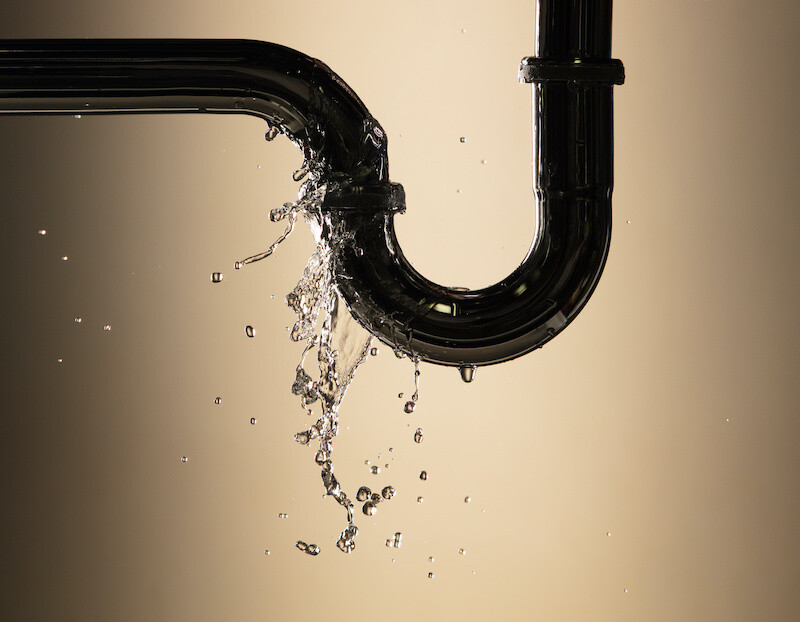
Drying a home properly requires more than fans and open windows. Professional disaster cleanup and emergency cleanup rely on specialized equipment designed to remove moisture efficiently and thoroughly.
This often includes:
- Commercial-grade air movers to circulate air
- Dehumidifiers to remove moisture from the environment
- Moisture meters to track drying progress
- Thermal imaging to identify hidden water
Without this equipment, moisture can linger even when surfaces feel dry to the touch. Our teams typically use a combination of these tools to ensure that drying reaches all affected areas—not just the obvious ones.
 Documentation and the Insurance Process
Another key part of disaster cleanup involves documentation. Insurance claims often require detailed records of:
- The extent of the damage
- Moisture levels at different stages
- Photos of affected areas
- Drying progress over time
Proper documentation helps streamline the claims process and reduces the likelihood of disputes. During disaster cleanup, we strive to provide the necessary information to support your claim, helping you move through the process with fewer complications.
Why Delaying Cleanup Creates Bigger Problems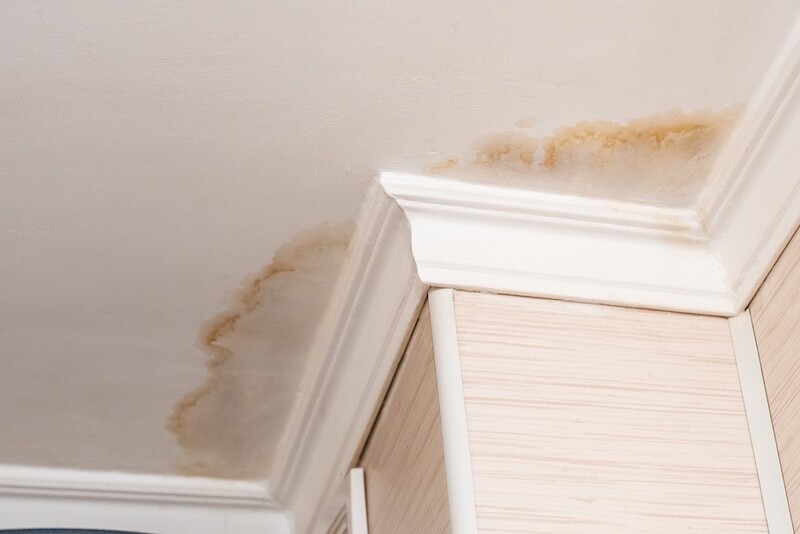
It’s tempting to wait—especially if the damage doesn’t seem severe at first. But water damage rarely stays contained.
Delaying emergency cleanup can lead to:
- Expanded damage into adjacent rooms
- Increased material removal
- Higher repair costs
- Greater risk of mold growth
By the time visible signs appear, the damage may already extend beyond what you expected. Acting quickly helps limit both the scope and the cost of the cleanup process.
A Complete Approach: From Emergency Cleanup to Full Disaster Recovery
Handling water damage properly requires more than a quick fix. Emergency cleanup addresses the immediate threat. Disaster cleanup follows through to restore your home fully. Skipping either step leaves the job incomplete.
Our approach typically focuses on both phases—responding quickly to stabilize the situation, then continuing through the full cleanup and drying process until your home returns to a safe, livable condition.
When You Need Disaster Cleanup or Emergency Cleanup in Boise
If you’re dealing with water damage—or even suspect hidden moisture—it’s important to act quickly.
 Look for signs such as:
- Unexplained dampness or musty odors
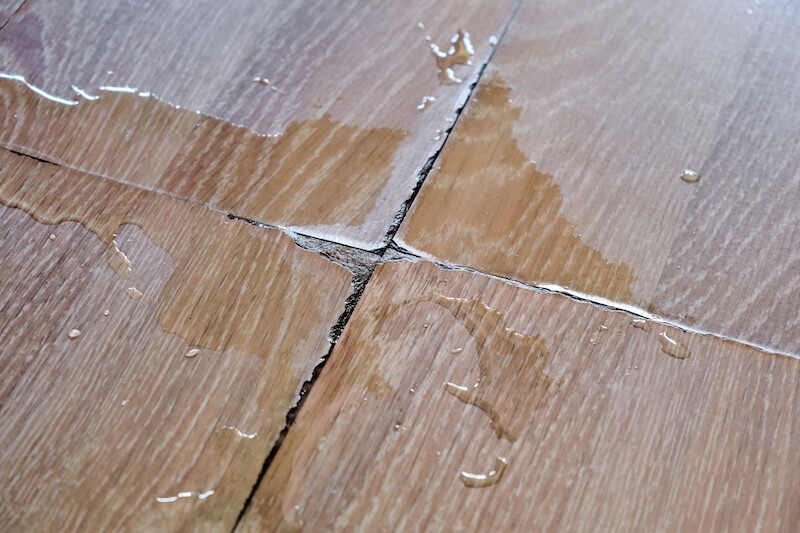
- Warped flooring or bubbling paint
- Water stains on ceilings or walls
- Sudden spikes in humidity inside your home
These indicators often point to underlying issues that require professional attention. When water damage occurs, you don’t need to figure out which phase you’re in. You just need a team that can handle both emergency cleanup and full disaster cleanup from start to finish.
If you’re facing a loss, our team stands ready to respond—day or night—to help stabilize your home and guide you through the recovery process. Call our hotline anytime, and we’ll be there to help you take the next step forward.
About Red Truck Disaster Response in Boise, Idaho
Red Truck Disaster Response was established in 2016. Through our experience working for a national franchise, we have seen first-hand how larger companies fail to provide the level of customer service their clients need and deserve when we are going through a loss to their home. We started Red Truck and made the conscious decision to put service first. Our clients are our highest priority. With a focus on professional and supportive service and open communication, we help our clients restore both their homes and their lives after a disaster. We will work with any insurance company and can handle any size loss. If you face a loss of any kind, 24/7, call our hotline (208) 336-3853 and we’ll be happy to help!
This blog is for informational purposes only. If you have questions about your specific situation, we will be happy to come out and look at no charge. Inspections are always free.
