



 You discovered a plumbing leak, turned off the water, and had the problem repaired. The dripping stopped, the floor looks dry, and everything seems to be back to normal. However, when you touch the wall near the leak, it still feels damp. Or perhaps you’ve noticed that the drywall looks darker than it did before.
At Red Truck Disaster Response in Boise, Idaho, we frequently explain an important distinction to homeowners: stopping a water leak and drying the affected structure are two different jobs. Although repairing the plumbing prevents additional water from entering the area, moisture already absorbed into building materials doesn’t automatically disappear. In fact, drying a wall can take considerably longer than fixing the leak that caused the damage.
Why Does Drywall Stay Wet After a Leak?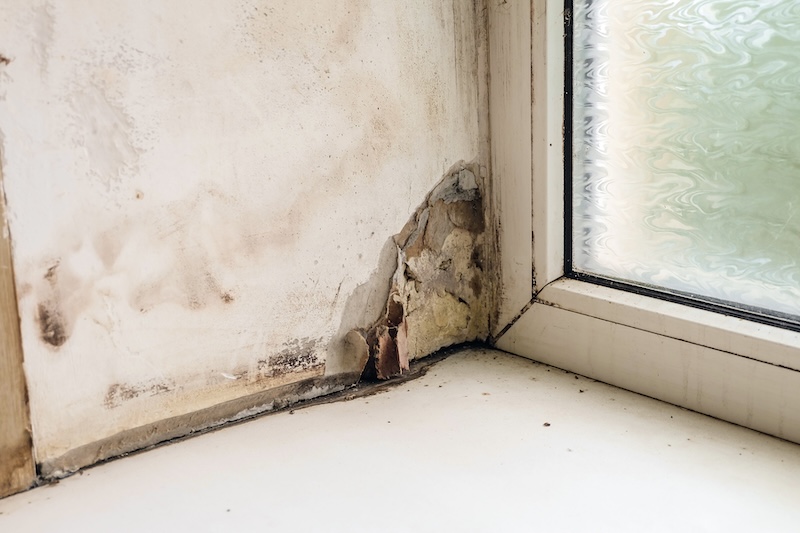
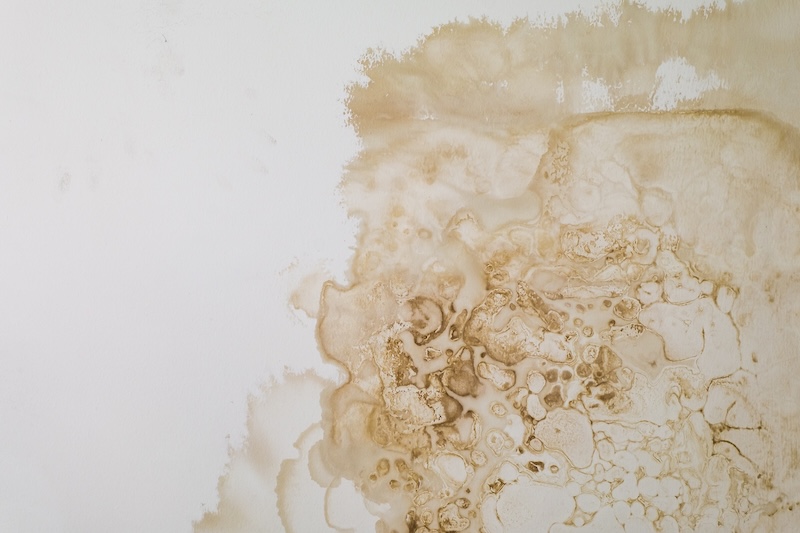
Drywall is made primarily from gypsum covered with paper, and both materials can absorb moisture. When water reaches a wall, it doesn’t necessarily remain on the surface. Instead, it can soak through the paper facing and spread into the gypsum core. So, wiping the wall or allowing the visible surface to dry may not remove moisture trapped deeper inside. The drywall might appear normal while its interior remains damp.
Additionally, water can travel along the bottom of drywall or move into adjoining sections through contact with other wet materials. This means the area requiring drying may extend beyond the original leak location.
How Insulation Can Trap Moisture Inside Walls: Leak Stopped
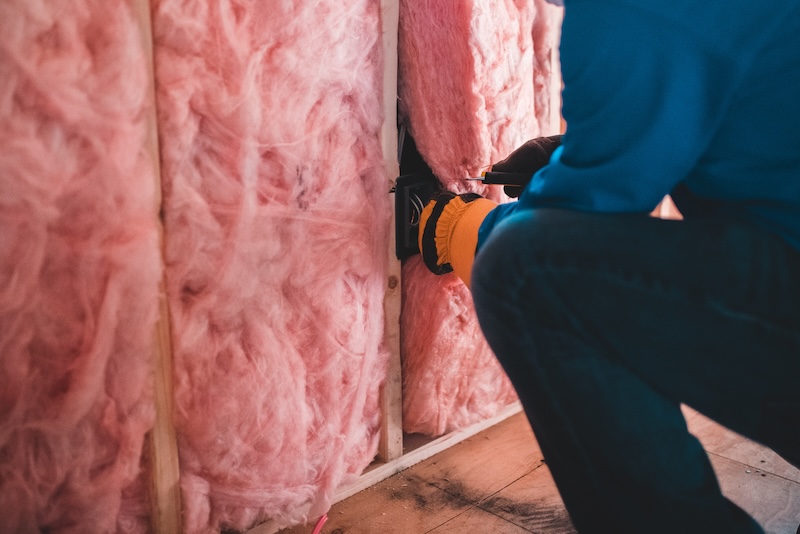 Most exterior walls, along with some interior walls, contain insulation. Although insulation helps regulate indoor temperatures, certain types can retain water or slow the drying of nearby materials. For example, fiberglass insulation can become wet, and moisture may remain trapped between the insulation, drywall, and framing. Meanwhile, some insulation products absorb more water than others, making the drying process dependent on the materials involved.
Because insulation is concealed behind drywall, homeowners usually cannot determine its condition simply by looking at the wall. Depending on the extent of the damage, the insulation type, and whether the water was contaminated, affected insulation may require removal rather than drying in place.
What Happens to Wood Framing After a Leak Stopped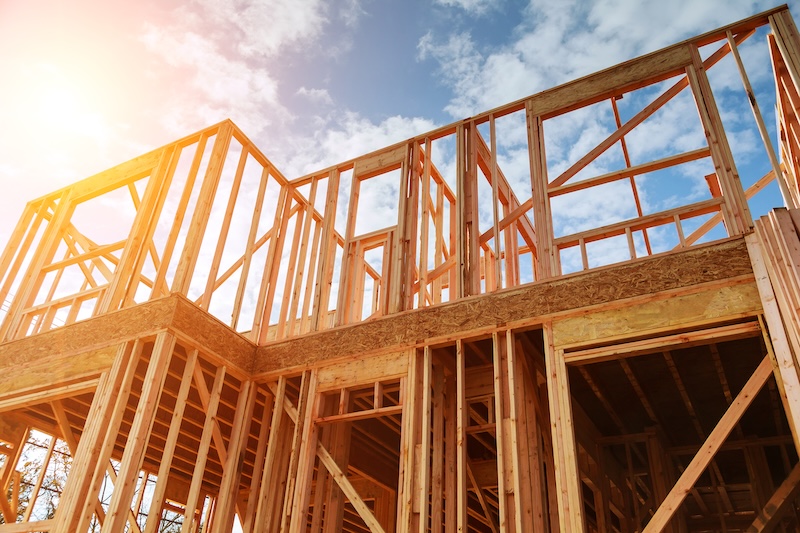
Behind your drywall are wood studs, plates, and other framing components. Wood naturally contains some moisture, but exposure to a plumbing leak can raise its moisture content beyond normal conditions. Unlike water sitting on a tile floor, moisture absorbed into wood must gradually move toward the surface before it can evaporate. As a result, framing may remain wet even after surrounding drywall begins to dry.
Furthermore, enclosed wall cavities limit the movement of air around framing. This can slow evaporation and extend the time needed to return materials to an acceptable moisture level. At Red Truck Disaster Response, we evaluate the affected materials rather than assuming that a repaired leak means the structure is ready for restoration.
 Why Doesn’t Water Just Evaporate on Its Own?
Water does evaporate naturally, but the rate depends on several environmental conditions. When moisture is trapped inside building materials, evaporation may be much slower than homeowners expect.
Four factors are especially important:
- Temperature: Warmer conditions can increase the potential for evaporation, although temperature alone doesn’t guarantee effective drying.
- Relative humidity: When surrounding air already contains substantial moisture, evaporation becomes less efficient.
- Airflow: Moving air across an exposed wet surface helps carry evaporated moisture away
- Material exposure: Water trapped behind drywall, insulation, or other enclosed surfaces has fewer opportunities to evaporate.
These factors work together. For instance, running a household fan in a humid room may move air without removing enough moisture to dry the affected materials. Therefore, successful structural drying requires more than simply waiting for the wall to feel dry.
Why Humidity Matters After Water Damage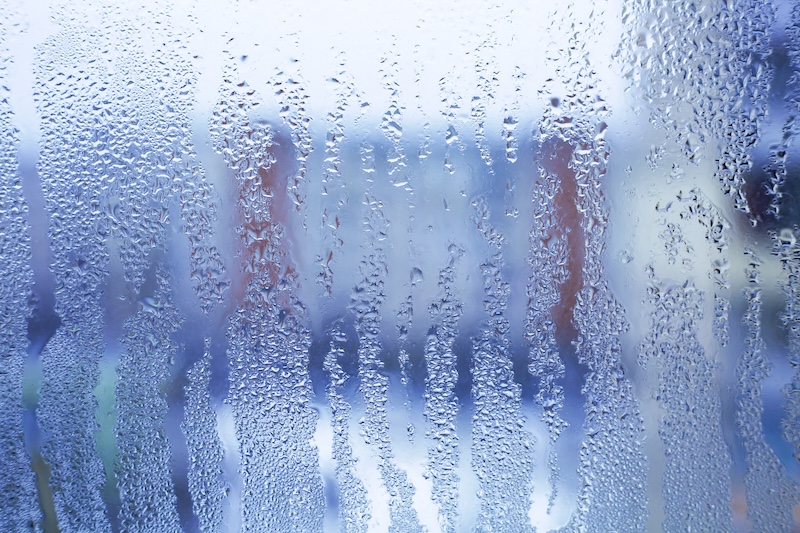
As moisture evaporates from wet materials, it enters the surrounding air as water vapor. If that moisture isn’t removed, indoor humidity can rise and slow further evaporation. This creates a problem because the air may eventually hold enough moisture that drying becomes inefficient. Meanwhile, damp conditions can affect other nearby materials. Professional restoration equipment addresses this challenge by managing both evaporation and humidity. Air movers encourage moisture to leave exposed materials, while dehumidifiers remove water vapor from the air.
Together, these tools help establish conditions that support controlled structural drying. However, equipment placement and operation must be appropriate for the specific damage. Simply putting a fan against a wet wall isn’t always sufficient and may be inappropriate when contaminated water or suspected mold is present.
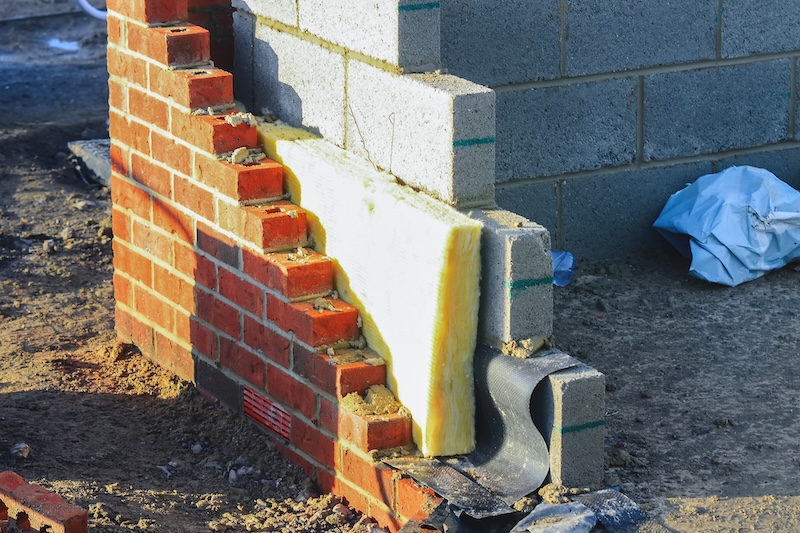 What’s Happening Inside an Enclosed Wall Cavity?
A wall cavity is the space between drywall surfaces where framing, insulation, plumbing, and electrical components may be located. When water enters this space, it can collect around the bottom plate, soak into insulation, or spread along framing. Because the cavity is enclosed, airflow may be limited, making drying more difficult.
In some situations, restoration professionals can use specialized drying methods to address moisture within cavities. In others, sections of drywall or other materials may need to be removed to provide access and allow proper drying. The appropriate approach depends on the amount of water, the affected materials, how long they’ve been wet, and the source of the water.
For example, clean water from a recently damaged supply line presents different restoration considerations than water from a sewage backup.
How Do Professionals Know When a Wall Is Dry?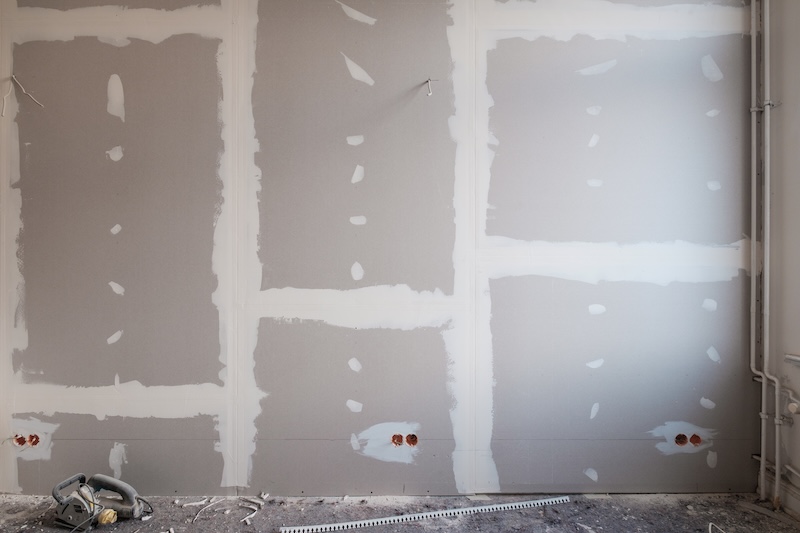
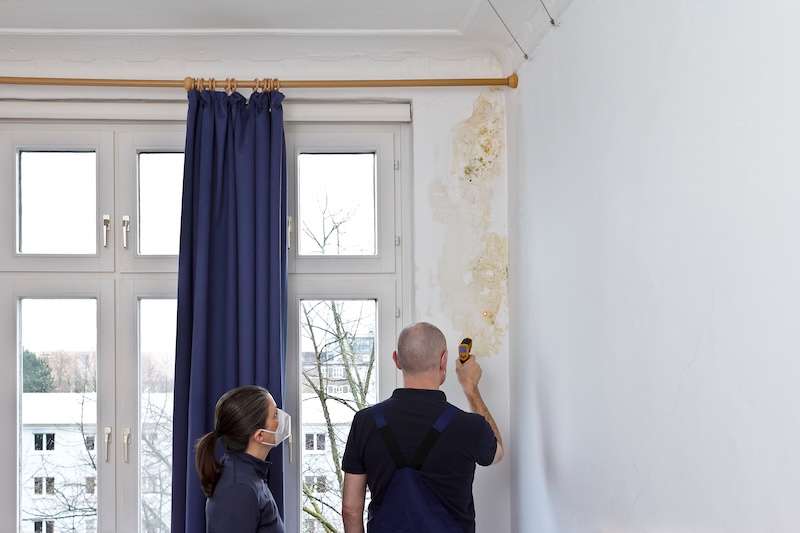
One of the biggest mistakes homeowners can make is relying exclusively on touch or appearance to determine whether water damage has been resolved. A wall can feel dry because its surface has released moisture while deeper materials remain wet. Conversely, a cool wall may feel damp even when its moisture level is normal. That’s why professional water damage restoration involves evaluating moisture levels in affected materials and comparing readings with appropriate dry reference conditions.
At Red Truck Disaster Response, moisture measurements help us assess drying progress and determine whether additional attention is necessary. Depending on the situation, we may also use other assessment tools to identify areas requiring investigation. Rather than guessing how long drying should take, we monitor conditions and evaluate the structure as the process progresses.
Can You Paint Over a Wall That’s Still Damp?
 Painting over a damp wall may temporarily conceal discoloration, but it doesn’t solve the underlying moisture problem. In fact, applying paint or installing new finishes before materials are sufficiently dry can interfere with evaporation. Remaining moisture may contribute to peeling paint, damaged finishes, material deterioration, or microbial growth under favorable conditions. Additionally, if the water damage affected insulation or framing, replacing the visible drywall finish alone won’t necessarily address the concealed problem.
Before cosmetic repairs begin, it’s important to determine whether the affected materials have been adequately dried or require replacement.
Why Professional Structural Drying Makes a Difference
Once the source of a leak has been repaired, the next priority is addressing the moisture left behind. Depending on the damage, that may involve extracting standing water, removing unsalvageable materials, improving airflow, controlling humidity, and monitoring drying progress. At Red Truck Disaster Response, we understand that homeowners want their properties returned to normal as quickly as possible. However, rushing to close walls or replace finishes before drying is complete can create additional problems later.
Our goal is to identify the affected areas, develop an appropriate drying approach, and help homeowners understand what needs to happen before repairs proceed.
The Leak May Be Fixed, but the Water Damage Isn’t Necessarily Gone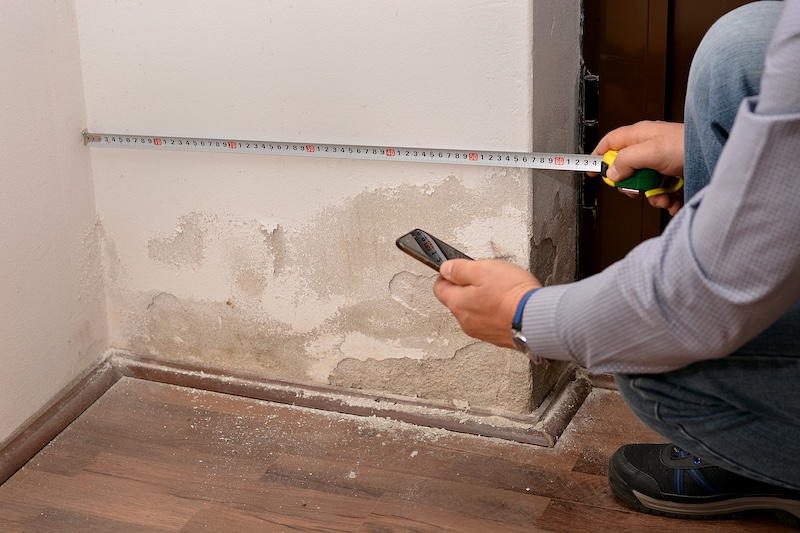
A repaired pipe stops new water from entering your home, but it doesn’t remove moisture already absorbed into drywall, insulation, or wood framing. Because these materials dry. If you’ve experienced a plumbing leak in Boise or elsewhere in the Treasure Valley, don’t assume the damage is resolved simply because the dripping has stopped.
Contact Red Truck Disaster Response for professional water damage evaluation and restoration assistance. Addressing remaining moisture promptly can help reduce the risk of additional damage and support a more complete recovery.
About Red Truck Disaster Response in Boise, Idaho
Red Truck Disaster Response is a locally owned disaster restoration company serving Boise and the rest of the Treasure Valley. Founded in 2016, we provide 24/7 emergency response for water damage, fire damage, mold-related restoration needs, and other property emergencies. Our experienced team responds quickly, assesses affected areas, and uses professional equipment and restoration methods to help homeowners and businesses recover from unexpected disasters. Recognized as Idaho’s Best Disaster Response Company in 2025, we are committed to responsive service and quality restoration work. Initial inspections may be available at no charge depending on the circumstances. Additional testing, services, or specialized evaluations may involve fees.
This blog is for informational purposes only. Every water damage situation is unique, and restoration needs vary depending on the extent of the damage. If you suspect water damage in your home or business, Red Truck Disaster Response offers free inspections to help determine the best course of action.
