




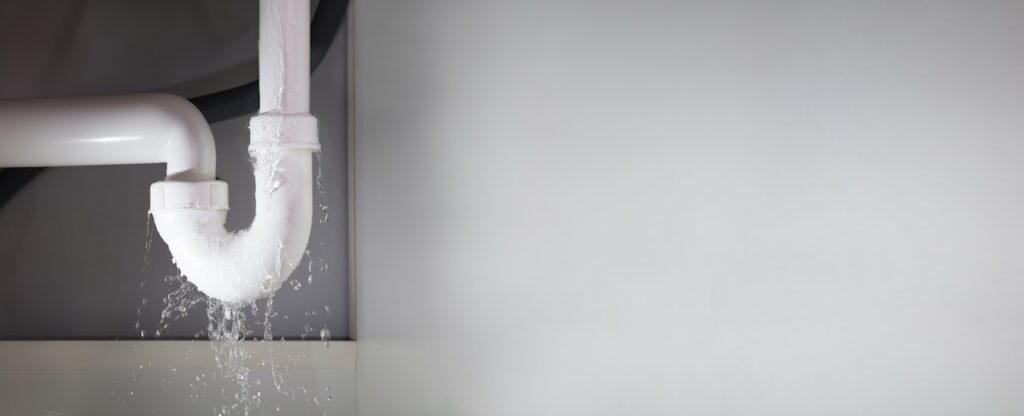
 Why Water Damage Sometimes Shows Up Days After a Leak
A plumbing leak can happen on Monday, get repaired on Tuesday, and leave behind a new water stain on Thursday. For homeowners, that can be confusing. If the leak has stopped, why is the damage only now becoming visible? The answer has to do with how water travels through building materials and how those materials react to moisture after a leak.
At Red Truck Disaster Response, we regularly encounter water damage that becomes noticeable days after the original incident. Although the water source may have been repaired, moisture can remain inside walls, beneath flooring, and behind trim. Understanding why damage sometimes takes time to appear can help homeowners recognize problems before they become more expensive.

Why Doesn’t Water Damage Always Appear Immediately After a Leak?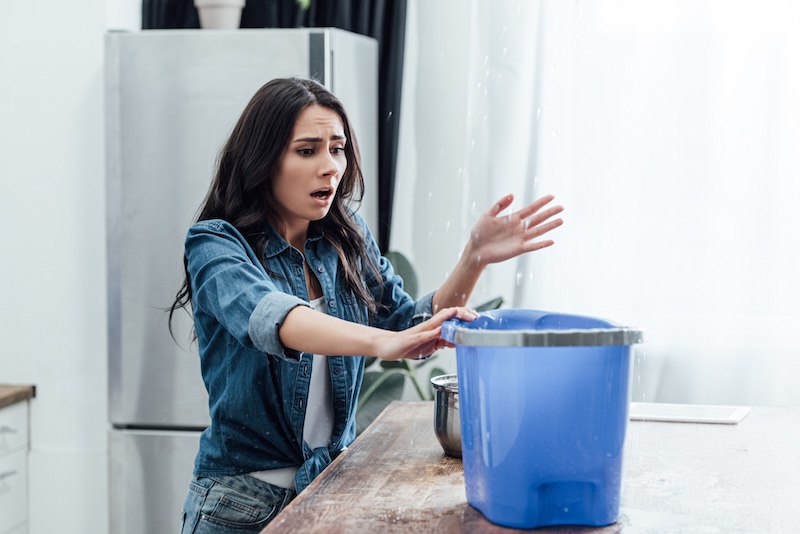
When water escapes from a pipe, appliance, or plumbing fixture, it doesn’t necessarily remain near the source. Instead, gravity, absorption, and the pathways between building materials influence where that water travels. Drywall, wood, insulation, and certain flooring materials absorb moisture at different rates. Consequently, the visible effects of water exposure may develop gradually, even after the leak has stopped.
For example, water from a bathroom leak might travel beneath the flooring before reaching the ceiling below. Although the plumbing problem has been repaired, the ceiling stain may not appear until moisture has accumulated or migrated far enough to affect the painted surface.
The important distinction is that stopping a leak does not automatically remove the moisture it leaves behind.
Water Stains Can Take Days to Become Visible After a Leak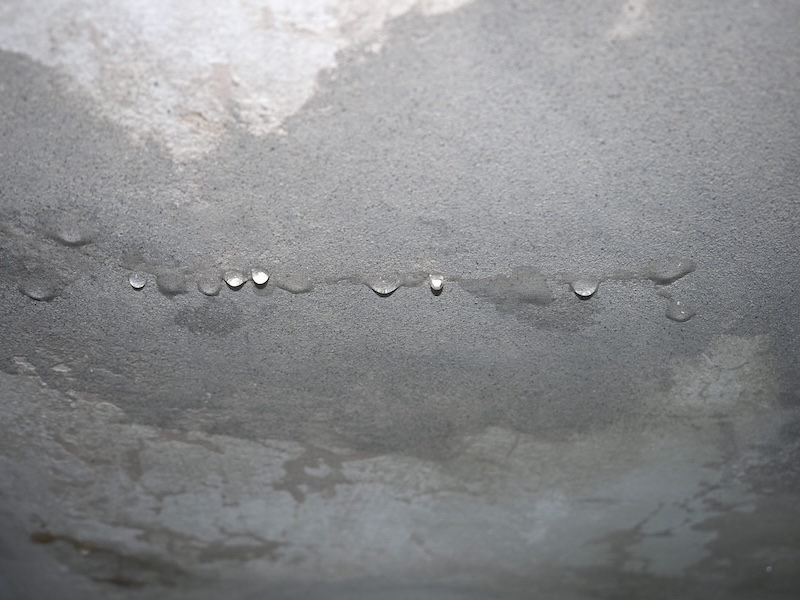
One of the most common delayed signs of water damage is discoloration on walls or ceilings. A homeowner may initially see nothing unusual, only to discover a yellow or brown stain several days later. This happens because moisture can move through drywall and carry dissolved minerals or other substances toward the surface. As the material dries, those substances may become visible as discoloration.
Additionally, painted surfaces can temporarily conceal moisture. Depending on the paint, the amount of water involved, and the materials underneath, visible staining may develop well after the initial exposure. A new stain doesn’t necessarily mean the leak has started again. However, it does mean the affected area deserves further investigation.
After a Leak, Flooring May Start Buckling or Warping
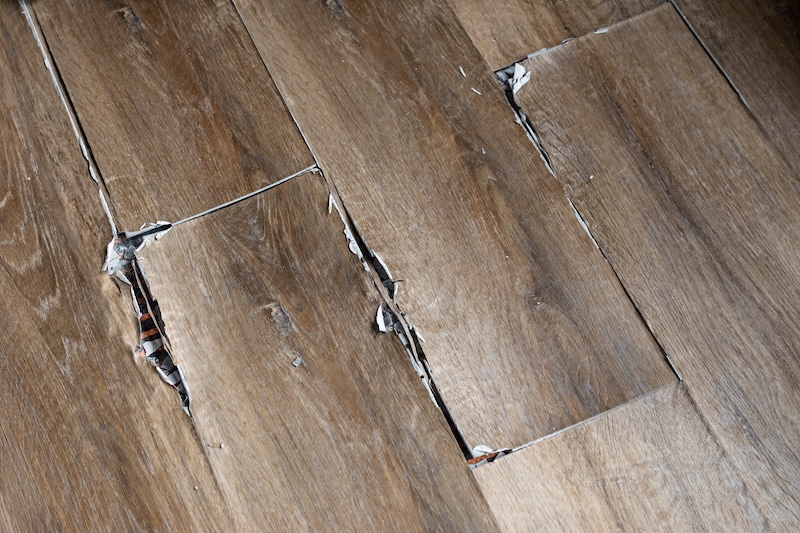 Flooring damage can be particularly frustrating because the surface may look perfectly normal immediately after a leak. Unfortunately, moisture beneath the flooring can continue affecting the materials long afterward.
Different flooring products react differently to water exposure after a leak:
- Hardwood flooring: Wood absorbs moisture and expands, potentially causing cupping, crowning, or buckling.
- Laminate flooring: Moisture can cause the fiberboard core to swell, especially along seams and edges.
- Luxury vinyl plank flooring: Although many vinyl products resist water, moisture can become trapped beneath them and affect the subfloor or adhesive.
- Carpeting: Carpet and padding can retain moisture even when the surface feels dry.
These changes may develop over several days as moisture spreads or materials continue absorbing water. As a result, homeowners sometimes discover flooring damage after assuming the original problem was resolved.
After a Leak, Swollen Baseboards and Trim Are Warning Signs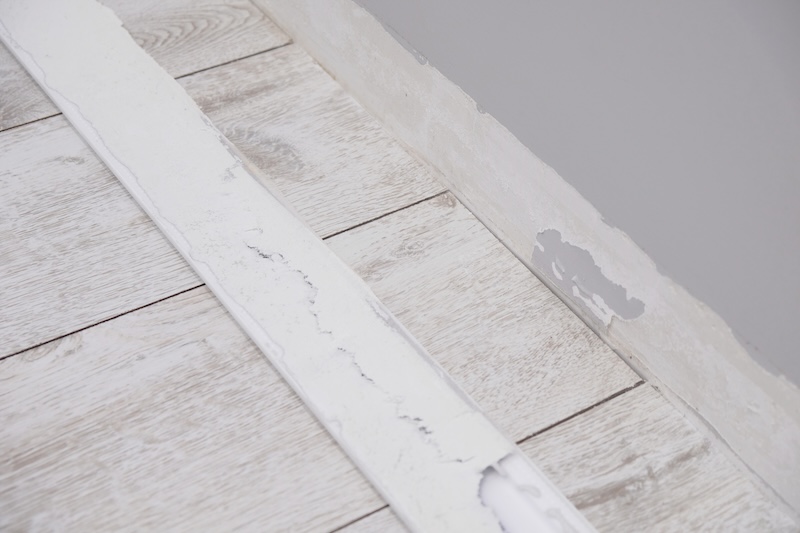
Baseboards often provide some of the earliest visible evidence of delayed water damage. Because they sit directly against walls and flooring, they can absorb moisture from either direction. Initially, the trim may look unchanged. However, as moisture penetrates the material, homeowners may notice swelling, separating joints, peeling paint, or gaps developing between the baseboard and wall. Medium-density fiberboard (MDF), commonly used for interior trim, is particularly vulnerable to swelling when exposed to water. Unlike solid wood, MDF may not return to its original shape after absorbing significant moisture.
Therefore, a baseboard that suddenly looks distorted several days after a leak may indicate that surrounding materials were also affected.
Why Musty Odors Sometimes Develop After a Leak
 Another delayed warning sign is an unfamiliar musty smell. Homeowners may notice the odor several days after a leak, particularly in rooms with limited ventilation.
Damp building materials can create conditions that support microbial growth. Mold may begin growing within 24 to 48 hours under favorable conditions, although visible growth and noticeable odors can take longer to develop. However, not every musty smell confirms the presence of mold. Persistent dampness, trapped moisture, and other conditions can also contribute to unpleasant odors.
Regardless of the cause, an odor that develops after a water incident should not be ignored. It may indicate that affected materials have not dried adequately.
How Moisture Continues Moving After a Leak Stops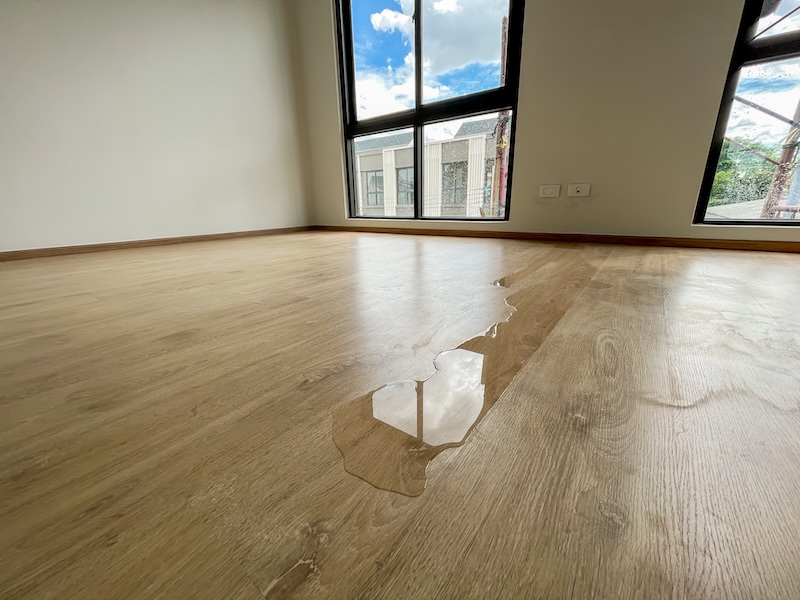
Water doesn’t necessarily stop moving simply because the original source has been eliminated. Moisture can continue migrating through porous materials and into adjacent areas as conditions change. For instance, water absorbed into a wooden subfloor may affect nearby flooring or trim. Similarly, moisture inside drywall can redistribute through the material before eventually evaporating. This process helps explain why damage sometimes appears in areas that were never visibly wet during the original incident.
It also explains why professional water damage restoration involves more than removing standing water. Identifying affected materials and monitoring their moisture levels are essential parts of the drying process.
What Should Homeowners Do When Damage Appears Days Later?
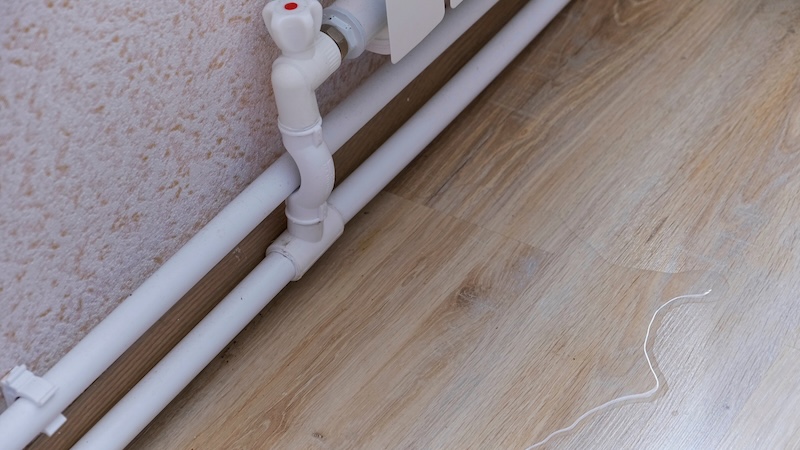 If you discover new staining, swelling, odors, or flooring changes following a leak, don’t assume the damage is merely cosmetic.
Instead, take several practical steps:
- Document the changes. Photograph new stains, warped flooring, or swollen trim.
- Confirm the water source is repaired. Make sure the original leak has stopped and no additional plumbing problems are present.
- Avoid covering the damage. Painting over stains or replacing trim before evaluating moisture can conceal an unresolved problem.
- Watch for additional changes. Expanding stains, increasing swelling, or persistent odors may indicate continued moisture exposure.
- Request a professional moisture assessment. Restoration professionals can use moisture meters and other equipment to evaluate affected materials.
Most importantly, don’t rely exclusively on whether a surface feels dry. Moisture can remain beneath flooring or inside building assemblies long after exposed surfaces appear normal.
Don’t Wait for Water Damage to Become Obvious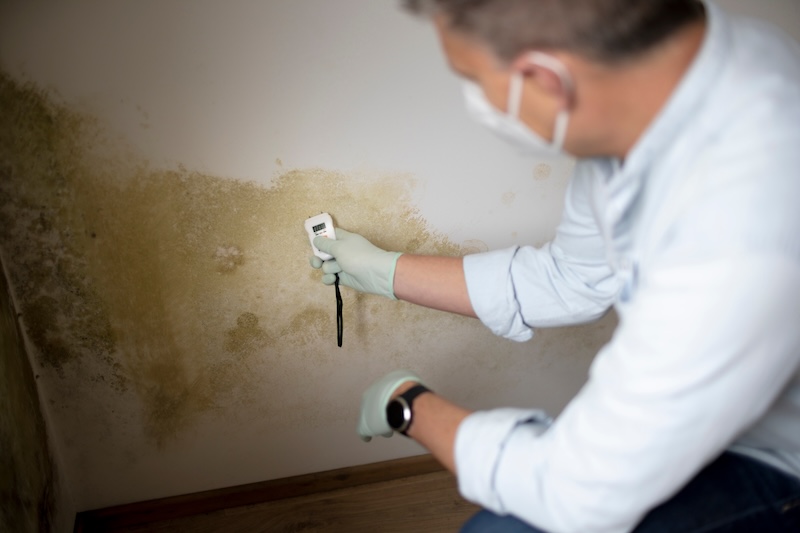
Delayed water damage is not unusual, but it can catch homeowners off guard. A leak that seems minor today may produce visible changes several days later because building materials continue reacting to moisture.
At Red Truck Disaster Response, we help homeowners throughout Boise and the rest of the Treasure Valley identify and address water damage before additional problems develop. Our team uses professional moisture detection equipment and established drying procedures to determine which materials have been affected and whether additional restoration is necessary.
If you’ve recently experienced a leak and are beginning to notice unexplained changes in your home, contact Red Truck Disaster Response. We can help determine whether moisture remains and what steps may be necessary to restore the affected areas.
About Red Truck Disaster Response in Boise, Idaho
Red Truck Disaster Response provides 24/7 emergency cleanup and disaster restoration services throughout Boise, Meridian, Eagle, Nampa, Garden City, Kuna, Star, and the surrounding Treasure Valley. Founded in 2016 and voted Idaho’s Best Disaster Response Company in 2025, Red Truck Disaster Response specializes in water damage restoration, mold remediation, and emergency cleanup services.
Our experienced team responds quickly to help property owners address unexpected damage, identify affected materials, and begin the restoration process. We use professional equipment and proven restoration techniques to help homes and businesses recover from water-related emergencies. For emergency water damage restoration in Boise and the Treasure Valley, contact Red Truck Disaster Response.
This blog is for informational purposes only. If you have questions about your specific situation, we will be happy to come out and look at no charge. Inspections are always free.
