



 What Is All That Equipment? The Tools We Use During Water Damage Restoration
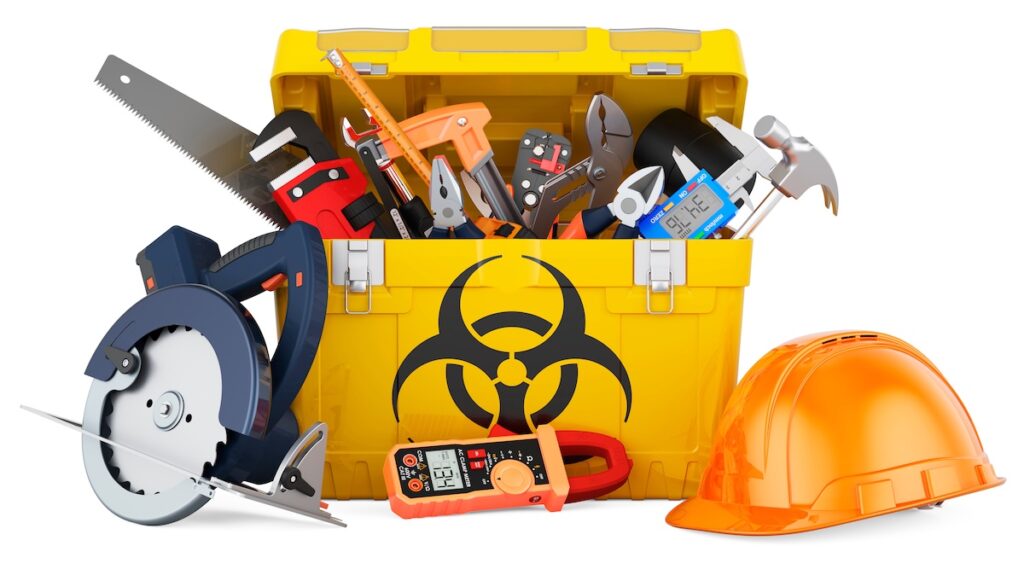
When our Red Truck Disaster Response team arrives after a water loss, homeowners sometimes expect to see a shop vacuum, a few fans, and perhaps a dehumidifier. Professional water damage restoration can involve considerably more equipment than that. Some tools help us look for moisture we cannot see. Others help us evaluate conditions inside the building; extract standing water, move air, reduce humidity, or manage airborne particles during certain types of restoration work. Just as importantly, monitoring equipment can help us determine whether conditions are changing as the drying process progresses.
Not every water loss requires every piece of equipment. The tools we use depend on the source and extent of the damage, the materials involved, accessibility, contamination concerns, and other site-specific conditions. However, understanding some of the equipment commonly used in disaster restoration can help explain why professional mitigation involves much more than pointing fans at a wet floor.
Moisture Meters: Equipment Which Helps Us Investigate What We Can’t See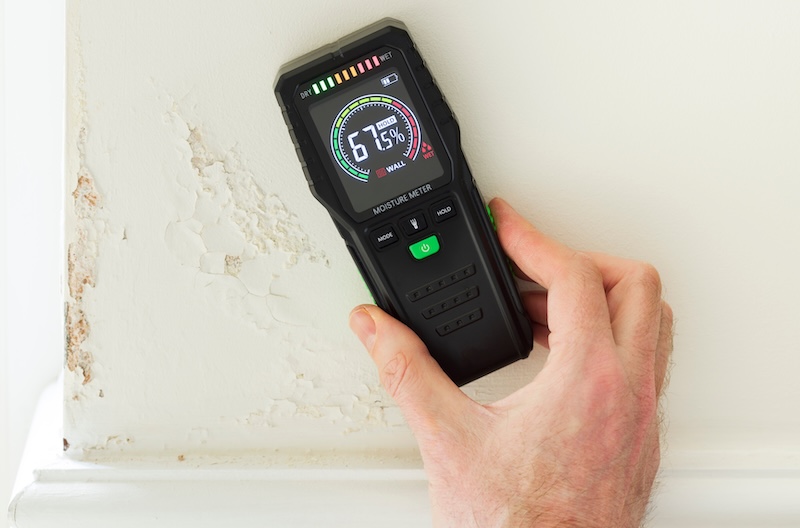
A wall can feel dry on the surface while moisture remains within drywall, wood, flooring, or other materials. That’s why appearance alone cannot tell us whether an area is dry.
Depending on the situation, restoration professionals may use different types of moisture meters to evaluate building materials. Some meters use pins that contact or penetrate the material, while others can help scan areas without making the same type of penetration.
These tools can help us:
- Compare suspected wet areas with unaffected materials
- Identify areas that may warrant further investigation
- Monitor changes during drying
- Document moisture readings throughout the process
It’s important to note that a moisture meter isn’t a magic device that tells us everything happening inside a structure. Readings must be interpreted in context, which is why technician experience matters along with the equipment.
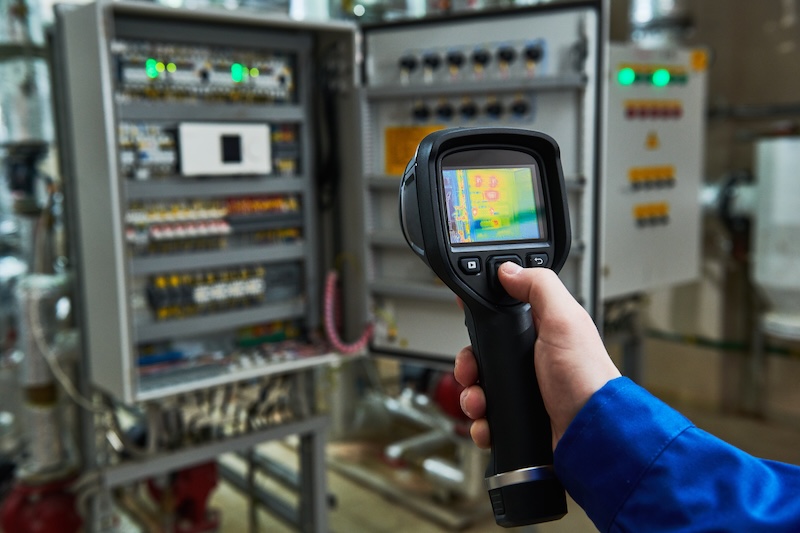 Thermal Imaging Equipment Can Help Us Find Patterns
Infrared or thermal imaging cameras are another tool that may be useful during some inspections. These cameras detect surface temperature differences rather than moisture itself. Why is that helpful? Evaporation and other conditions associated with wet materials can sometimes create temperature patterns that point us toward areas requiring closer investigation.
However, a thermal image does not automatically prove that water is present. Temperature differences can have other causes, including insulation, HVAC conditions, sunlight, or building materials. Therefore, when thermal imaging suggests a suspicious area, we may use moisture-measuring equipment and physical inspection to investigate further.
This distinction is important because professional restoration should rely on multiple pieces of information rather than a colorful image alone.
Hygrometers Tell Us About the Air
Drying a structure involves more than drying a visible surface. We also need to understand the air surrounding wet materials. Restoration professionals commonly evaluate temperature and relative humidity and may use those measurements to understand drying conditions. This area of restoration science is known as psychrometry.
In practical terms, the readings help us evaluate whether moisture is leaving materials and whether conditions support effective drying. As the project progresses, repeated measurements can also provide useful information about changes within the affected environment.
Extraction Equipment Removes Water First
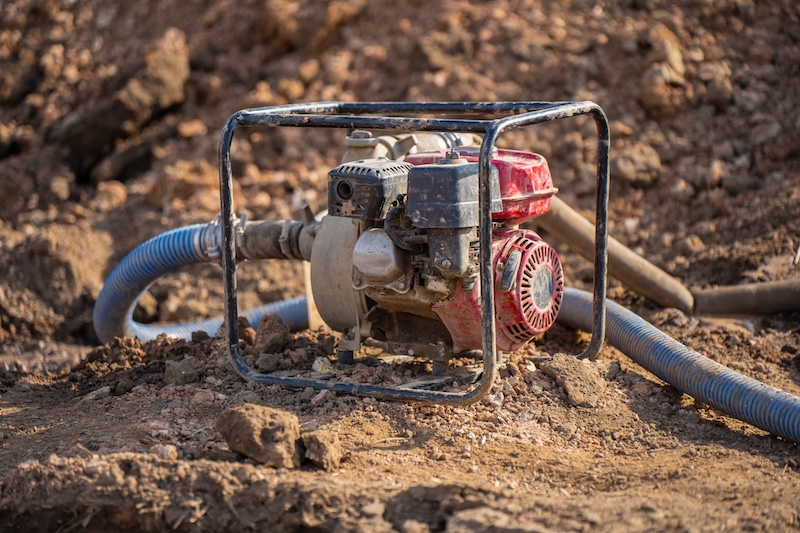 When significant standing or pooled water is present, one of the first priorities may be removing as much of that water as practical. Depending on the situation, restoration crews may use portable or larger extraction equipment, pumps, wet extraction tools, and specialized attachments. The exact equipment varies with the amount of water, affected materials, accessibility, and conditions at the property.
Removing liquid water can make the subsequent drying process more efficient. After extraction, however, moisture may still remain within carpet, padding, subflooring, drywall, framing, cabinets, or other materials. That’s when the drying equipment becomes especially important.
Air Movers and Dehumidifiers Work Together
The machines you see positioned around a water-damaged room aren’t simply household fans. Professional air movers create controlled airflow across and around wet materials. That airflow can encourage evaporation, moving moisture from materials into the surrounding air. Of course, putting moisture into the air isn’t enough. We also need to manage that moisture, which is where professional dehumidification may come in. Dehumidifiers remove water vapor from the air and can help create conditions that support continued drying.
The number, type, and placement of machines depend on the particular loss. More equipment is not automatically better; the drying setup should reflect the conditions we find and be monitored as the project progresses.
Air Scrubbers and HEPA Equipment May Be Used in Certain Situations
 Some restoration projects involve concerns beyond water alone. Mold remediation, sewage losses, demolition, and fire or smoke restoration can introduce particulates or contaminants that require additional controls. Depending on the scope of work, restoration professionals may use HEPA-filtered air scrubbers or negative-air equipment as part of containment and air-management procedures. HEPA vacuums may also be appropriate during certain remediation and cleaning processes.
Again, not every water loss requires this equipment. The appropriate controls depend on what happened, what materials are affected, and what work needs to occur.
Sometimes the Small Tools Tell Us the Most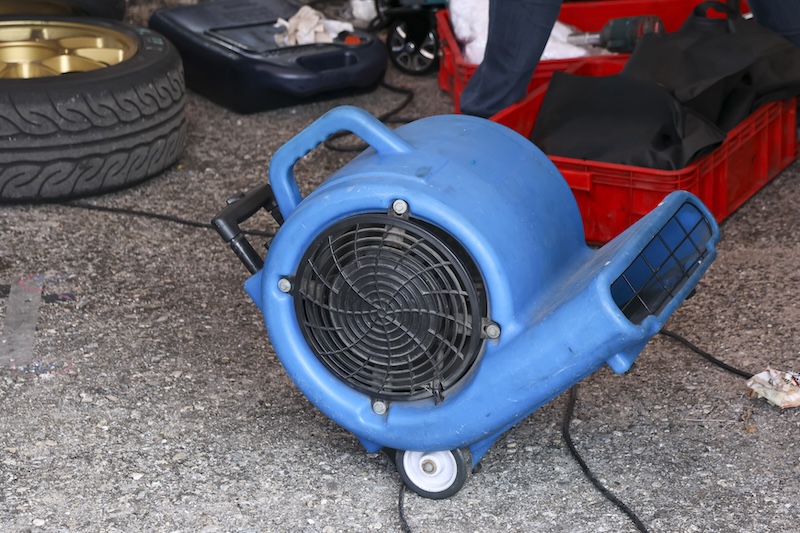
Large dehumidifiers and rows of air movers naturally attract attention. But some of the most valuable equipment on a restoration job may fit in a technician’s hand. Meters, cameras, probes, measuring devices, and documentation tools help us build a picture of what is happening inside the property. Combined with visual inspection and professional judgment, those readings can help guide decisions such as:
- Where additional investigation may be needed
- Which materials appear affected
- Whether drying conditions are changing
- If equipment placement may need adjustment
- When further evaluation or a different approach may be appropriate
That’s also why we don’t determine the scope of water damage simply by looking at the stain you can see.
 Restoration Is Part Equipment and Part Expertise
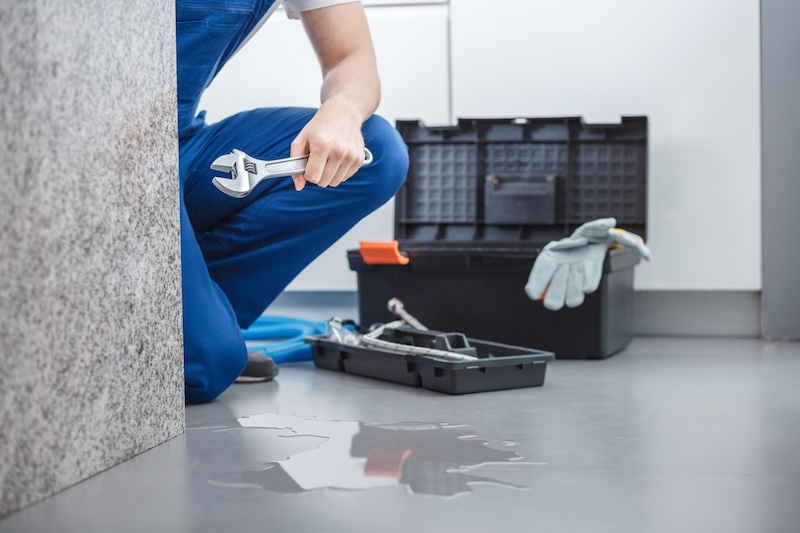
Professional restoration equipment is valuable. But machines do not make decisions by themselves. A moisture meter provides a reading. A thermal camera shows temperature patterns. A dehumidifier removes moisture from the air. An air mover creates airflow. The restoration professional still has to understand what those readings mean, determine which equipment may be appropriate, monitor changing conditions, and adjust the plan when necessary.
At Red Truck Disaster Response, our goal is not simply to bring equipment into your home and turn it on. We use the tools appropriate to the situation to help investigate the damage, manage the affected environment, monitor progress, and make informed restoration decisions.
Because after water damage, what you can’t see can matter just as much as the puddle you can.
About Red Truck Disaster Response in Boise, Idaho
Red Truck Disaster Response proudly provides 24/7 emergency restoration services. Our territory extends throughout Boise, Meridian, Eagle, Nampa, Kuna, Star, Caldwell, and the surrounding Treasure Valley. Our experienced team specializes in water damage restoration, mold remediation, sewage cleanup, crawlspace restoration, fire and smoke damage, reconstruction, and complete disaster recovery. Using advanced drying equipment and proven restoration techniques, we help homeowners and businesses recover from unexpected disasters while working to prevent hidden moisture from becoming a future problem.
This blog is for informational purposes only. Every water damage situation is unique, and restoration needs vary depending on the extent of the damage. If you suspect water damage in your home or business, Red Truck Disaster Response offers free inspections to help determine the best course of action.
