




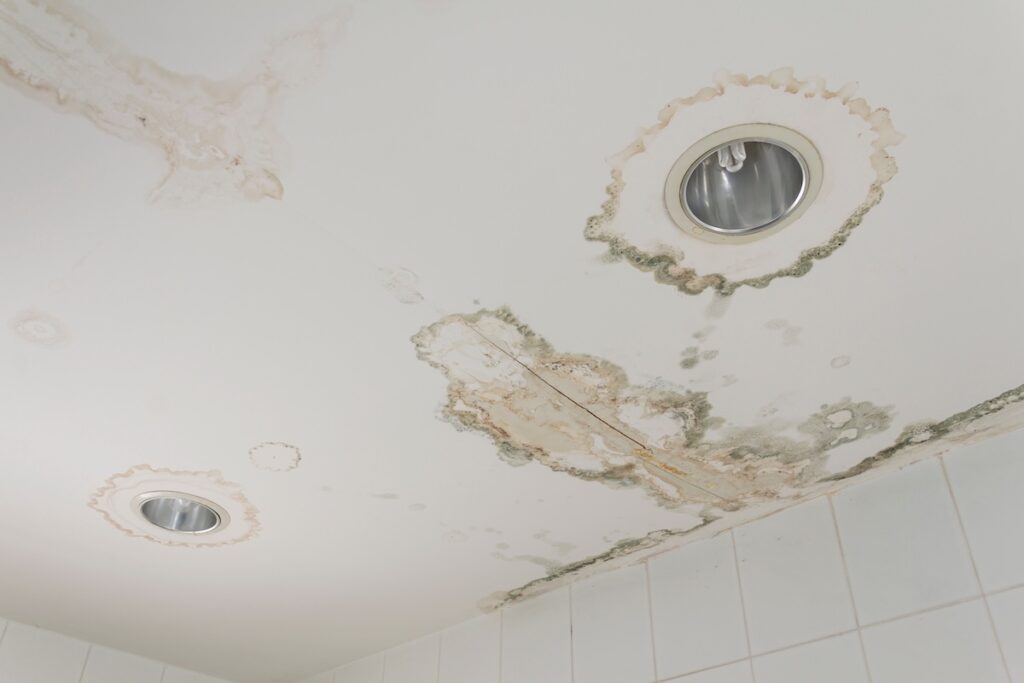
 My Ceiling Has Water Stains. But It’s Dry. Do I Still Have a Problem?
You notice a brownish stain spreading across the ceiling, reach up to touch it, and find that it feels completely dry. That’s good news, right? Maybe—but a dry surface doesn’t necessarily tell you whether the source of the water has stopped or whether moisture remains somewhere you can’t see. At Red Truck Disaster Response, we frequently remind homeowners that water damage doesn’t always reveal the whole story on the surface. A ceiling stain tells us that water reached that location at some point. The next questions matter much more: Where did it come from, is the source still active, and what happened to the materials the water encountered along the way?
Are Dry Water Stains Still a Problem?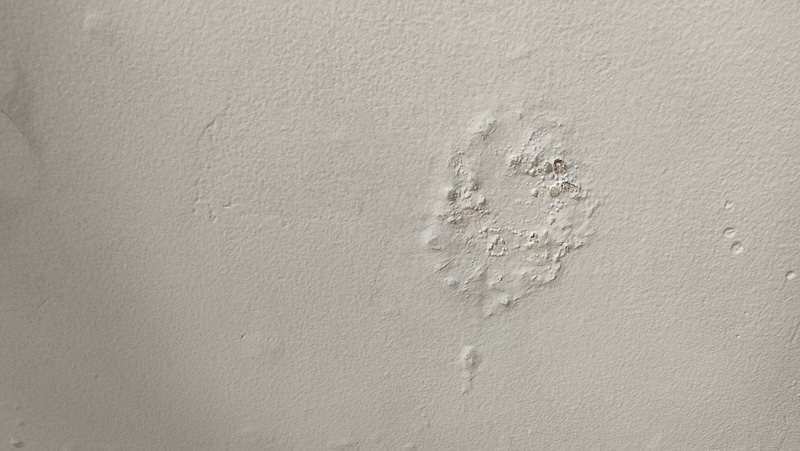
Sometimes, a dry ceiling stain truly does come from an old problem that someone already corrected. Perhaps a roof leaked before it was repaired, a plumbing fitting failed years ago, or an overflowing fixture caused a one-time incident. However, the stain alone can’t confirm that explanation. Water can move through insulation, framing, drywall, and other materials before becoming visible. Additionally, a leak may occur intermittently rather than continuously. A ceiling could feel dry on Tuesday even though rain, an HVAC system, plumbing use, or another condition causes it to become wet again later.
That’s why we don’t rely exclusively on what we can see or feel.
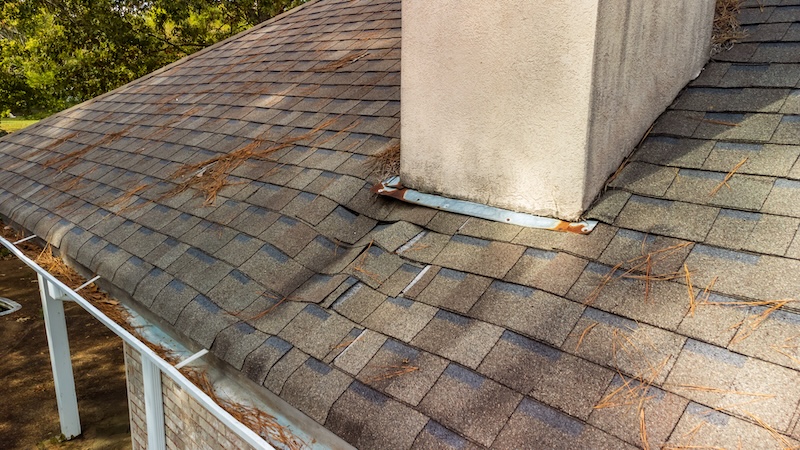 What Could Cause Ceiling Water Stains?
The location of a stain provides clues, but it doesn’t always identify the source. Water can travel along framing, pipes, or other building materials before appearing somewhere else.
Depending on the home and location of the stain, possible sources may include:
- A roof leak around shingles, flashing, vents, or penetrations
- Plumbing supply or drain lines above the ceiling
- An upstairs bathroom, shower, toilet, or appliance
- HVAC equipment or condensate lines
- Ice dams or weather-related roof problems
- Condensation or elevated humidity
- A previous leak that someone already repaired
Therefore, simply painting over the stain without understanding its source can hide evidence of a problem rather than solve it.
How Can You Tell Whether a Ceiling Leak Is Active?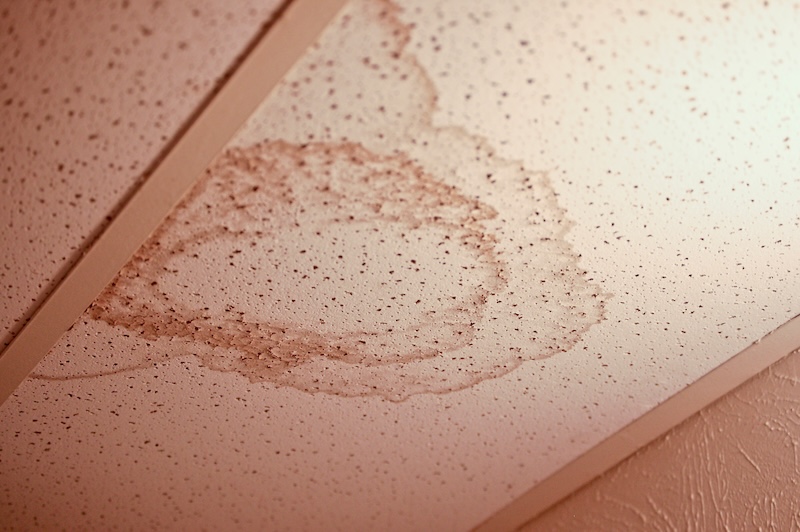
Homeowners can watch for changes in the stain, especially after rain, plumbing use, or operation of heating and cooling equipment. A stain that grows larger, darkens, develops a ring, feels soft, or repeatedly returns after painting deserves attention. However, professional moisture testing can provide information that appearance alone cannot. Moisture meters can help identify elevated moisture in materials such as wallboard and wood and can also help monitor drying after water damage.
During an inspection, the goal isn’t simply to confirm that the visible spot feels dry. Instead, we want to understand what happened and determine whether other areas warrant investigation.
A Thorough Inspection Means Looking Beyond Water Stains
 We recently had an experience that illustrates why the quality of an inspection matters so much. Our team went to a home that another company had previously inspected for a water-related concern. As we conducted our inspection, we discovered something surprising: the previous company had never entered the crawlspace. That’s a significant area to leave unchecked when investigating certain moisture problems. Crawlspaces can contain plumbing, structural materials, insulation, and other components that may provide important clues about water intrusion. They can also harbor moisture problems that homeowners never see from inside the living space.
In fact, the EPA specifically identifies crawlspaces, ceilings, areas behind walls, and other concealed spaces as locations where hidden moisture or mold can occur. At Red Truck, we believe an inspection should follow the evidence. If understanding a water problem requires checking a crawlspace, attic, adjacent room, or other accessible area, we don’t want to ignore it simply because inspecting it takes additional time or effort.
Water Doesn’t Respect the Boundaries You Can See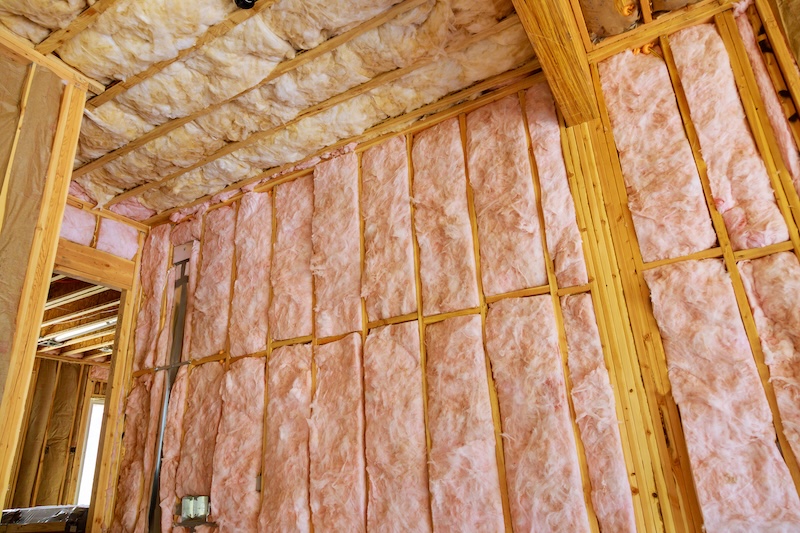
One reason water damage can become tricky involves the way moisture moves through a building. The visible stain may represent only the final place where water announced itself.
For example, water can:
- Travel along framing before reaching drywall
- Saturate insulation above a ceiling
- Move around plumbing penetrations
- Collect inside concealed cavities
- Affect materials on another level of the home
- Dry on the exposed surface while moisture remains elsewhere
Consequently, determining the extent of water damage often requires more than looking at the obvious spot. The EPA notes that hidden moisture problems may occur behind drywall, above ceiling materials, around pipes, in roof materials, and inside crawlspaces.
 Why Does Finding Moisture Quickly Matter?
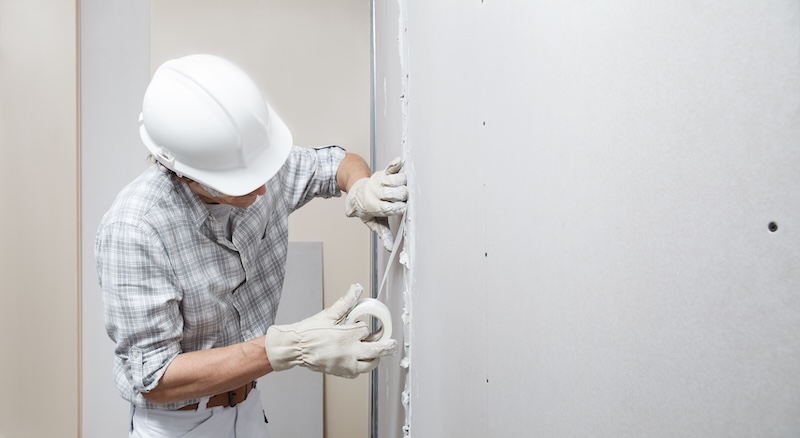
When water intrusion is active, time matters. Wet building materials create conditions that can support mold growth, and prolonged moisture can cause additional damage to materials in the home. The EPA recommends drying wet or damp materials within approximately 24 to 48 hours when possible to help prevent mold growth. That makes identifying the source and extent of water intrusion especially important after a recent leak.
However, discovering an old dry stain doesn’t automatically mean you have mold or extensive damage. It simply means the stain deserves context. If you know exactly what caused it, when it happened, and that someone properly corrected and dried the affected area, the stain may only represent cosmetic damage.
If you don’t know the story behind it, an inspection can help provide answers.
Don’t Let a Dry Surface Give You False Confidence
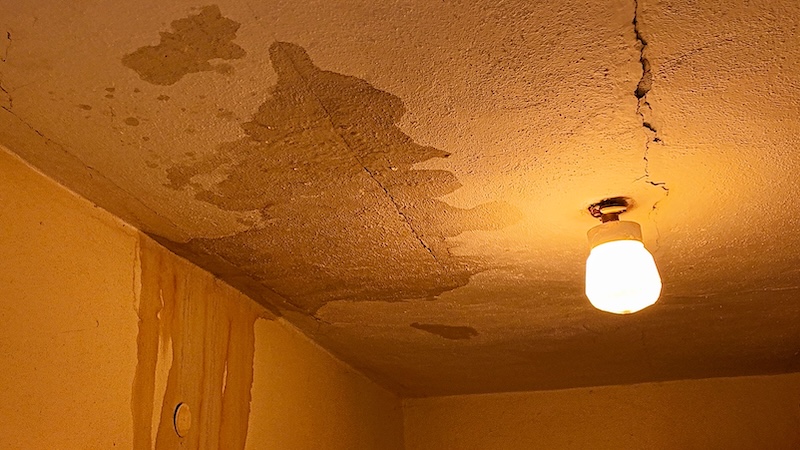 A ceiling water stain is evidence. Sometimes it tells the story of a problem that’s long gone. Other times, it provides the first visible clue to an intermittent leak or hidden moisture problem that still needs attention. At Red Truck Disaster Response, we don’t believe homeowners should have to guess. Our team investigates water damage carefully, uses appropriate moisture-detection tools, and looks beyond the most obvious area when the situation calls for it.
So, if you’re staring at a dry ceiling stain and wondering, “Do I still have a problem?”, the safest answer is “Don’t judge it by touch alone. Find out where the water came from and whether the affected materials are actually dry.”
Red Truck Disaster Response offers free inspections to help homeowners throughout Boise and the rest of the Treasure Valley get those answers.
About Red Truck Disaster Response in Boise, Idaho
Red Truck Disaster Response was established in 2016. Through our experience working for a national franchise, we have seen first-hand how larger companies fail to provide the level of customer service their clients need and deserve when we are going through a loss to their home. We started Red Truck and made the conscious decision to put service first. Our clients are our highest priority. With a focus on professional and supportive service and open communication, we help our clients restore both their homes and their lives after a disaster. We will work with any insurance company and can handle any size loss. If you face a loss of any kind, 24/7, call our hotline (208) 336-3853 and we’ll be happy to help!
This blog is for informational purposes only. Every water damage situation is unique, and restoration needs vary depending on the extent of the damage. If you suspect water damage in your home or business, Red Truck Disaster Response offers free inspections to help determine the best course of action.
