



 Why Does Drywall Need to Be Cut After Water Damage?
Watching someone cut into a perfectly good-looking wall after a leak can feel counterintuitive. The water has stopped, the floor has been cleaned up, and the drywall may not even look particularly wet. Why start removing pieces of the house?
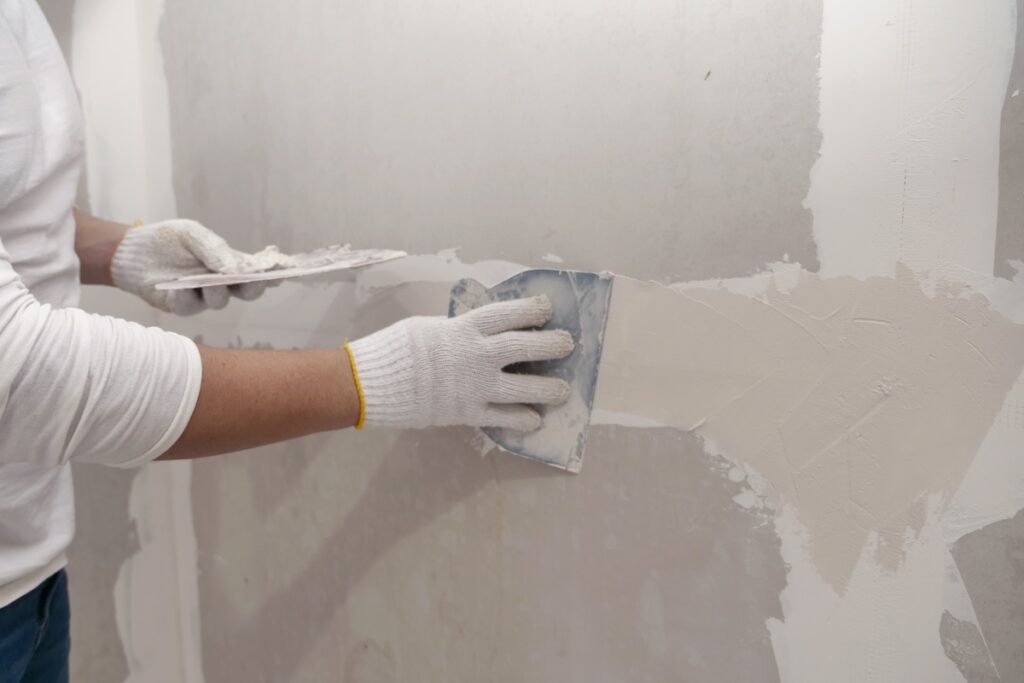
The answer is that drywall sometimes needs to be cut after water damage to reach wet materials inside the wall cavity, improve airflow, remove materials that cannot dry effectively, or address contamination. However, not every water loss requires drywall removal.
Professional water damage restoration involves determining what actually got wet and what can safely remain. The goal should not be to tear out everything in sight. Instead, restoration professionals evaluate the affected materials and determine the most appropriate way to dry the structure.
Why Can Water Hide Behind Drywall?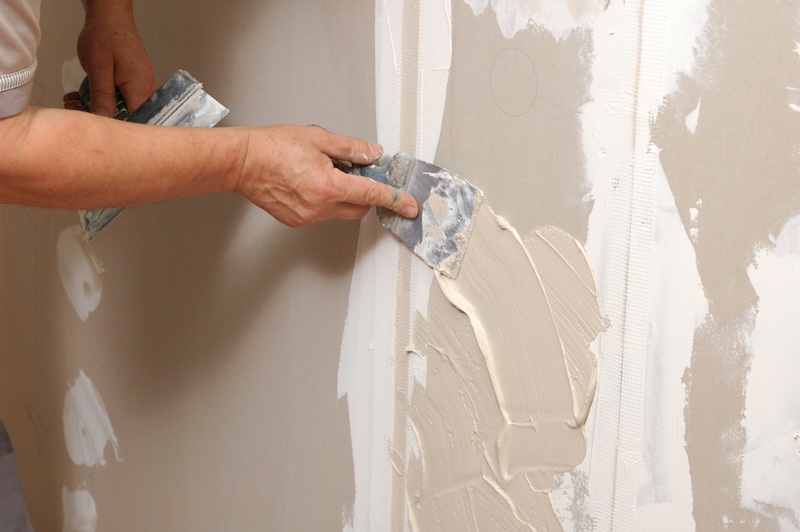
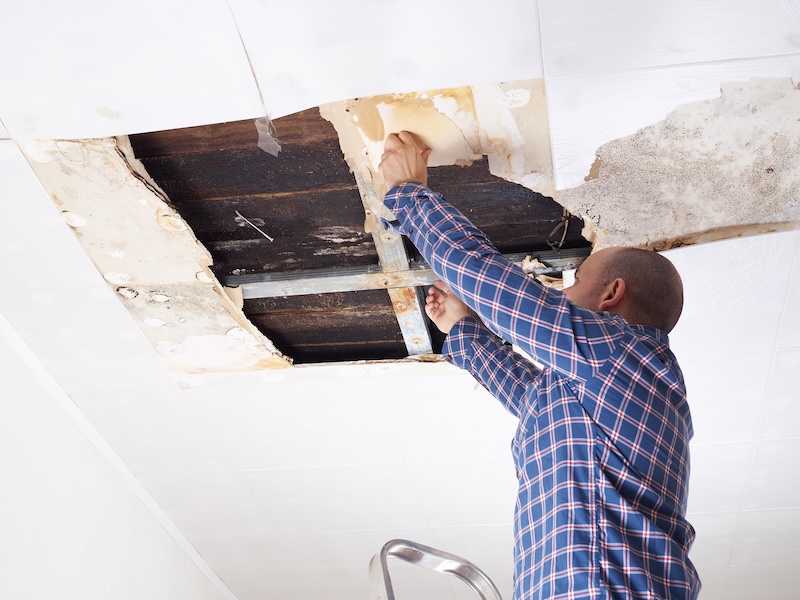
Drywall may look relatively normal on the room-facing side while moisture remains inside the wall. Water can enter a wall cavity through plumbing leaks, roof leaks, overflowing fixtures, appliance failures, or water that travels across floors and reaches the bottom of a wall. Once inside, it may affect drywall, insulation, wood framing, baseboards, and other materials. Also, drywall contains a gypsum core covered with paper. Depending on the amount of water and length of exposure, moisture can wick upward through the material beyond the area where homeowners initially see damage.
That is why simply touching a wall does not provide enough information to determine whether it has dried.
 Does Wet Drywall Always Have to Come Out?
No. Whether drywall needs removal depends on several factors, including the source of the water, how long materials remained wet, the extent of saturation, what is inside the wall, and whether the affected materials can dry effectively in place.
In some situations, professional drying equipment and appropriate airflow may allow drywall to remain. In others, removing a portion provides access to wet insulation or other materials behind it.
Restoration professionals may consider questions such as: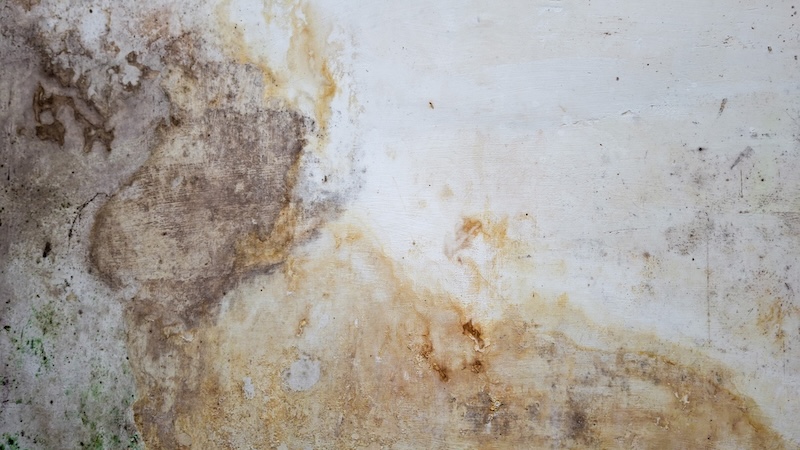
- How far did the moisture travel?
- Is insulation wet behind the drywall?
- Has the drywall lost strength or begun deteriorating?
- Can air reach the affected cavity?
- What type of water caused the damage?
- Can the area dry effectively without removing material?
Those answers help determine whether cutting drywall makes sense.
Why Does Wet Insulation Matter?
 Insulation can complicate structural drying because it sits inside an enclosed cavity where homeowners cannot see or touch it. Some types of wet insulation can hold moisture and limit airflow around surrounding materials. If the insulation cannot dry effectively in place, opening the wall may become necessary to access and remove affected material. The wood framing inside the wall also deserves attention. Although framing may often dry successfully, restoration professionals need to know that moisture is present so they can create an appropriate drying plan and monitor progress.
Removing a controlled section of drywall can sometimes provide the access necessary to accomplish that.
What Is a Flood Cut?
Homeowners may hear restoration professionals use the term “flood cut.” This generally refers to removing the lower portion of drywall after water has affected the bottom of a wall. The amount removed depends on the circumstances rather than one universal measurement. Restoration professionals may use moisture readings and the conditions inside the wall to determine the appropriate extent of removal. A flood cut can provide access to wet wall cavities, insulation, and framing while leaving unaffected portions of the wall intact.
However, not every water loss calls for a flood cut. The decision should reflect what actually happened inside that particular structure.
Does the Source of the Water Change What Gets Removed?
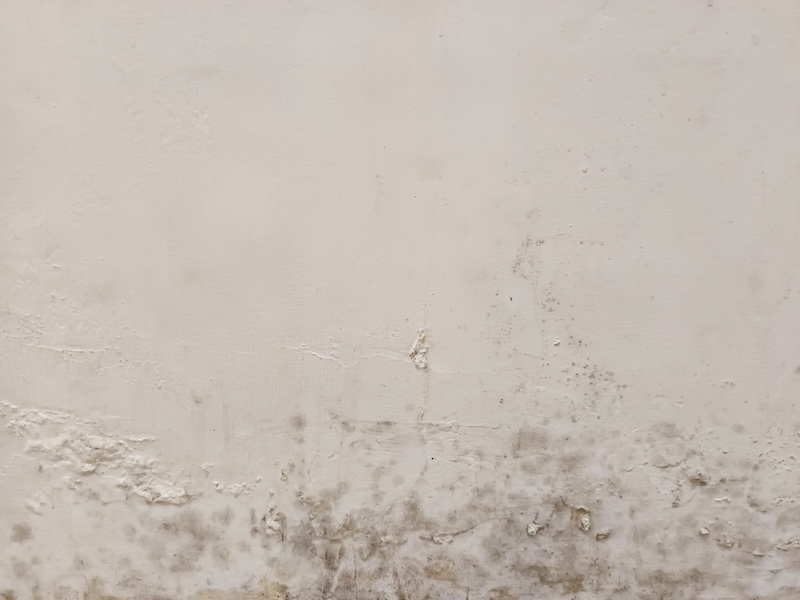 Absolutely. Water from a clean supply-line leak presents a different situation from water involving a sewage backup or other contaminated source. The type of water involved can affect whether porous materials can reasonably remain or require removal. Time also matters. Materials exposed briefly to relatively clean water may present different restoration options than materials that remained wet for an extended period. This is one reason homeowners should avoid assuming that a restoration plan from a friend’s water loss will apply to their own. Two houses can have water in similar-looking locations while requiring very different responses.
How Do Restoration Professionals Know Where to Cut?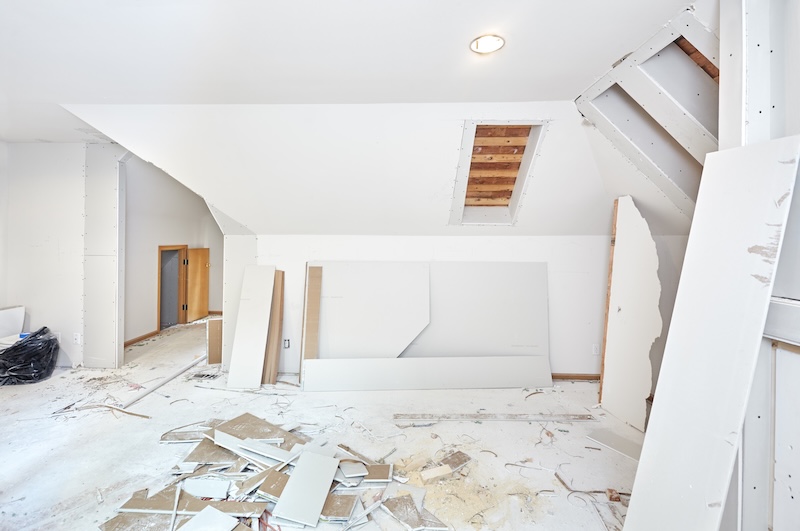
Visible damage provides only part of the information. Restoration professionals use moisture-detection equipment and systematic inspection to help identify affected areas. Moisture readings can reveal differences between materials and help establish the boundaries of the water damage. From there, the restoration team can develop a drying plan and continue monitoring moisture levels as the structure dries.
That information helps answer an important question: Can this material dry where it is, or does something need to be opened or removed? The answer should come from the conditions inside the home, not from automatically assuming that every wet wall needs demolition.
Why Not Just Let the Wall Dry on Its Own?
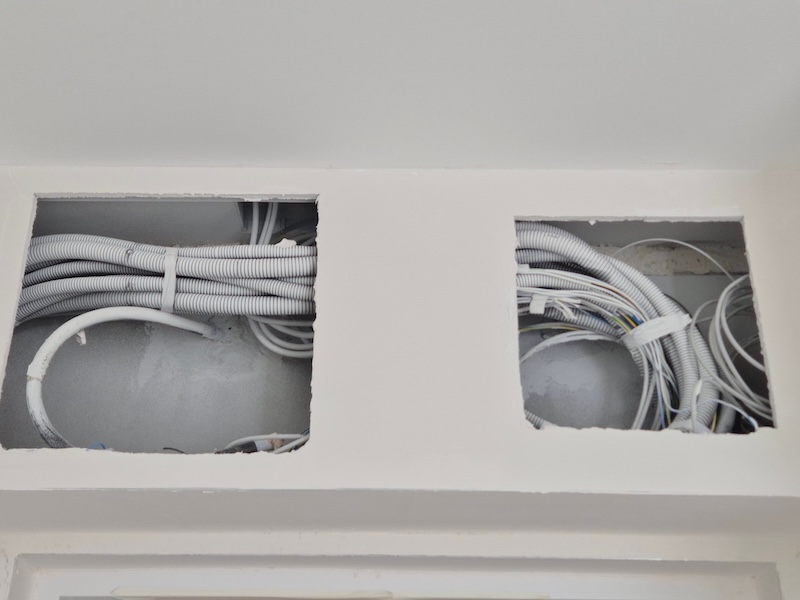 Stopping the leak solves the source of the water. It does not automatically remove the moisture that materials have already absorbed. Enclosed wall cavities can receive limited airflow, and evaporation depends on factors such as temperature, humidity, airflow, material type, and the amount of water present. Without appropriate drying conditions, moisture may remain longer than homeowners expect. Likewise, painting over a stain or replacing a swollen baseboard does not address moisture that may remain behind the finished surface. Professional structural drying focuses on getting the affected materials to appropriate moisture levels, not simply making the visible evidence disappear.
Good Restoration Does Not Mean Removing Everything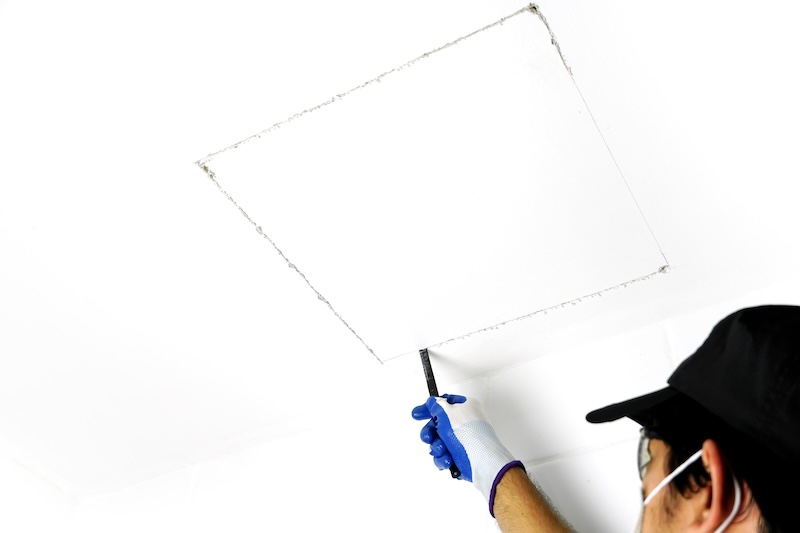
Homeowners understandably worry when restoration involves cutting walls, removing flooring, or taking apart portions of their homes. However, responsible restoration should balance necessary removal with preservation of materials that can appropriately remain. Sometimes opening a wall represents the best way to reach trapped moisture and dry the structure. Other times, less invasive drying methods may work. Red Truck Disaster Response evaluates each water loss individually. By identifying where moisture traveled and monitoring the drying process, the team can determine which materials require attention rather than relying solely on what the damage looks like from the outside.
When water enters a wall, what you cannot see matters just as much as what you can.
About Red Truck Disaster Response in Boise, Idaho
Red Truck Disaster Response provides professional water damage restoration and disaster response services for homeowners and businesses throughout Boise and the rest of the Treasure Valley. The experienced team responds to water emergencies, evaluates affected areas, uses professional moisture-detection and drying equipment, and develops restoration plans based on the conditions of each property. With a focus on responsive service, careful documentation, and thorough structural drying, Red Truck Disaster Response helps property owners navigate unexpected water damage and move toward recovery.
This blog is for informational purposes only. Every water damage situation is unique, and restoration needs vary depending on the extent of the damage. If you suspect water damage in your home or business, Red Truck Disaster Response offers free inspections to help determine the best course of action.
