




 Expansive Soil
Water intrusion does not always begin with a broken pipe, leaking appliance, or damaged roof. Sometimes the source sits beneath and around the home, where changing groundwater levels and moisture-sensitive soils can create conditions that allow water to enter crawl spaces and basements. For homeowners in Boise and throughout the rest of the Treasure Valley, understanding these risks can prove especially important because soil and drainage conditions can vary significantly from one property to another.
Expansive soil and high water tables create different problems, but both can contribute to unwanted moisture around a foundation. Furthermore, irrigation, heavy rain, snowmelt, grading, and neighborhood drainage patterns can make existing conditions worse. When water reaches a crawl space or other area beneath the home, Red Truck Disaster Response focuses first on identifying the extent of the damage, removing water and moisture, and creating conditions that allow the affected area to dry properly.
What Is Expansive Soil?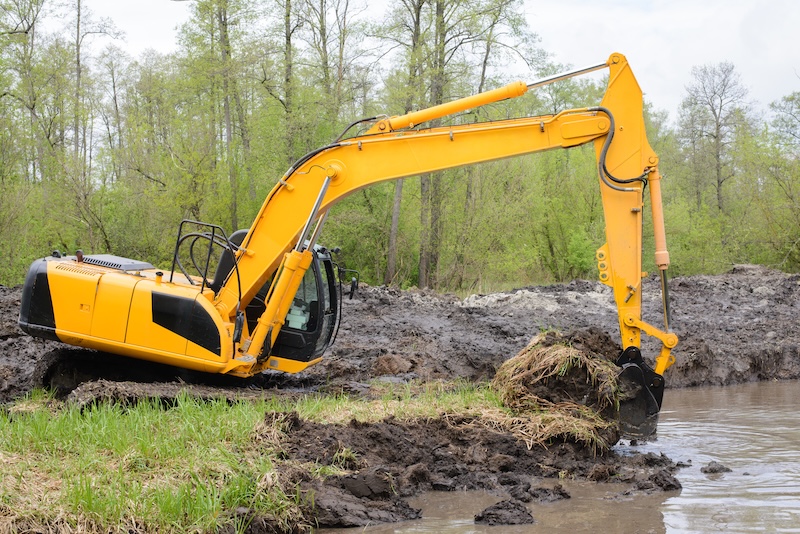
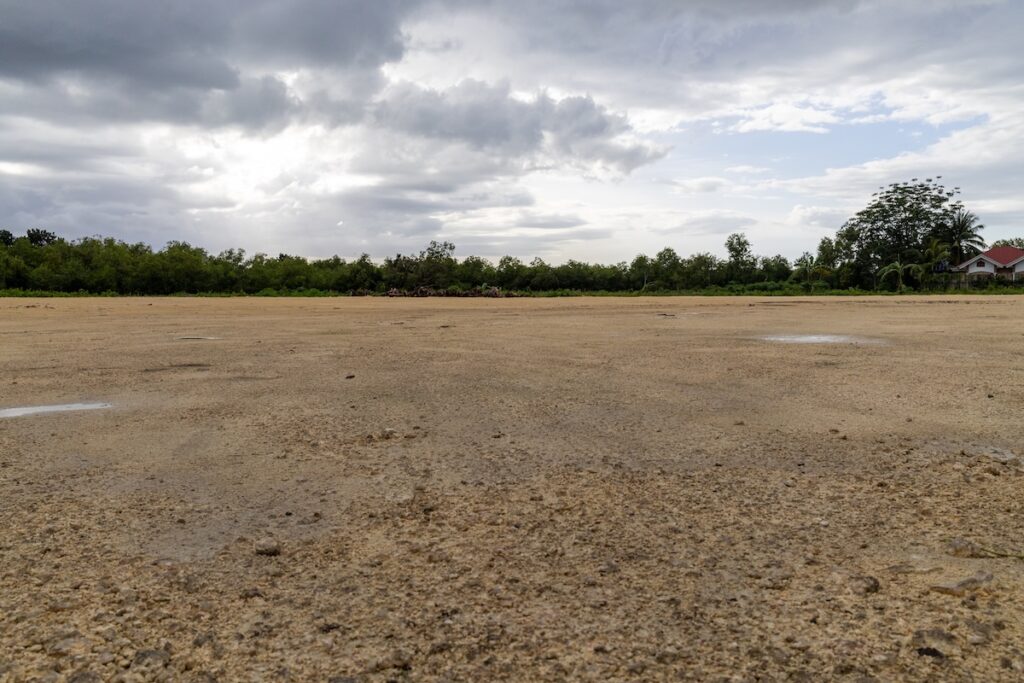
Expansive soil contains clay minerals that absorb water and increase in volume as moisture levels rise. When the soil dries, it contracts again. Over time, this repeated expansion and contraction can create movement around foundations, slabs, driveways, sidewalks, and other structures. The amount of movement depends on the soil composition and changes in moisture content. A long dry period followed by heavy irrigation or significant precipitation, for example, can cause certain soils to absorb substantial moisture. As the ground expands, it can place pressure on nearby structures.
Expansive soil does not automatically mean that a home will experience water damage. However, soil movement combined with poor drainage, foundation vulnerabilities, or excessive moisture around the structure can increase the risk of water intrusion.
What Does a High Water Table Mean?
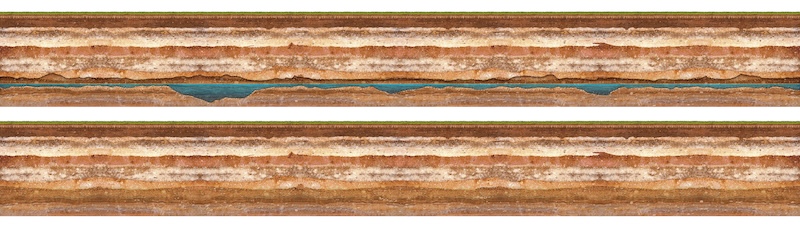
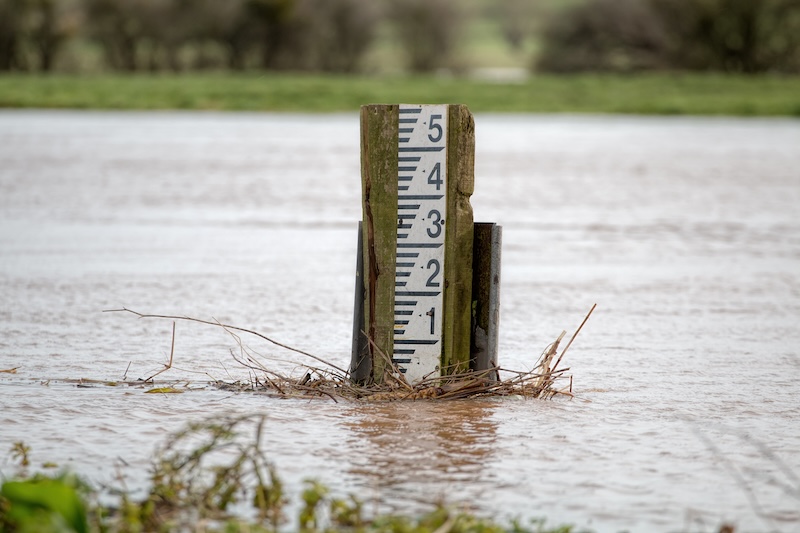 The water table represents the level below the ground where soil and rock become saturated with groundwater. That level does not necessarily remain constant throughout the year. Rain, snowmelt, irrigation, development, drainage patterns, and seasonal conditions can all influence groundwater. When the water table rises close to a home’s foundation or crawl space, groundwater can create pressure against below-grade structures. If water finds an entry point, it may seep into a crawl space, basement, or other vulnerable area.
Unlike a burst pipe that creates an obvious stream of water, groundwater intrusion can develop gradually. Homeowners may discover standing water, damp soil, elevated humidity, condensation, musty odors, or wet building materials without immediately knowing where the moisture originated.
Irrigation and Drainage Can Make Expansive Soil Worse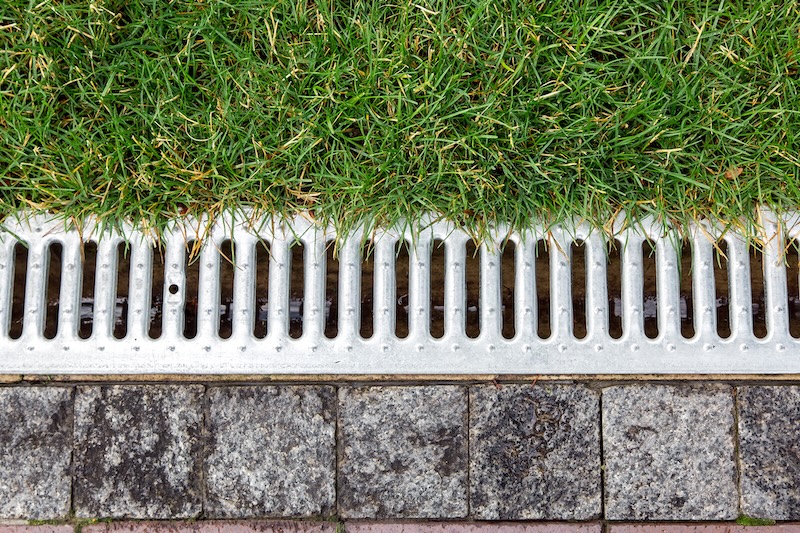
A naturally high water table is not the only reason soil around a home becomes saturated. Excessive landscape irrigation can introduce large amounts of water into the ground, particularly when sprinklers operate frequently or drainage carries water toward the house.
Grading also matters. Ideally, surface water should move away from the foundation rather than collect beside it. However, landscape changes, settling, neighboring properties, berms, drainage systems, or other site conditions can alter the way water travels.
Several conditions may contribute to excessive moisture around a foundation:
- Seasonal groundwater changes
- Heavy rain or rapid snowmelt
- Overwatering from irrigation systems
- Improper grading around the home
- Downspouts discharging too close to the foundation
- Drainage from neighboring properties
- Expansive or poorly draining soils
Frequently, more than one factor contributes to the problem. Therefore, determining where the water comes from can prove just as important as removing the water itself.
 How Does Groundwater Enter a Crawl Space?
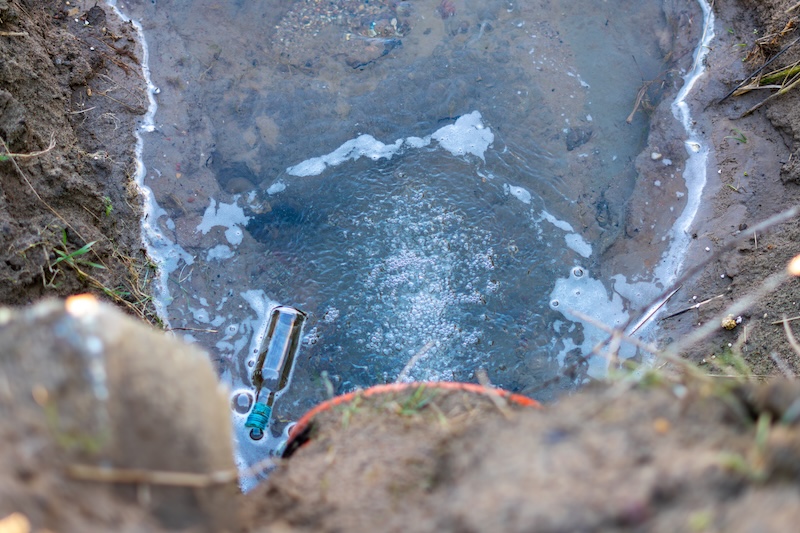
Water follows the path of least resistance. Once soil around or beneath a home becomes saturated, moisture can move through openings, joints, penetrations, cracks, or other vulnerable areas. In a crawl space, water may emerge through the soil itself rather than through an obvious opening in a wall. Consequently, homeowners sometimes see puddles or saturated ground without finding a visible leak. The pattern may also change as groundwater levels rise and fall.
Meanwhile, persistent moisture can raise humidity throughout the crawl space. Even when standing water disappears, damp soil and building materials can continue releasing moisture into the air. That is why removing visible water represents only the first step in a proper water-damage response.
Why Crawl Space Moisture Deserves Attention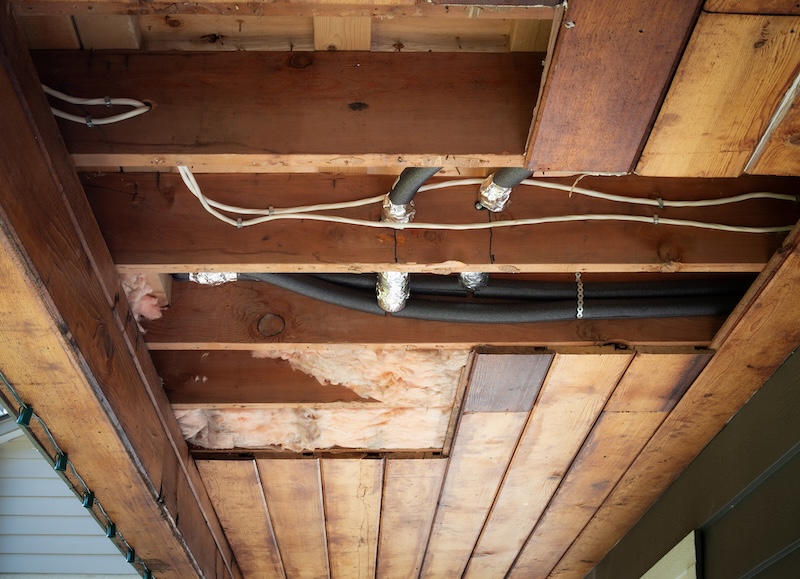
A crawl space may sit out of sight, but conditions underneath a home can affect the structure above it. Persistent moisture can damage insulation, wood, and other building materials. In addition, prolonged dampness can create conditions that support microbial growth.
Elevated humidity may also contribute to condensation on pipes, ductwork, or other surfaces. Over time, homeowners might notice musty odors or other signs that moisture remains beneath the house even though they cannot see standing water from inside the living space.
Warning signs can include:
- Standing water or muddy areas in the crawl space
- Damp or sagging insulation
- Condensation on pipes or ductwork
- Musty odors
- Visible staining on wood or other materials
- Persistently elevated crawl space humidity
- Recurring moisture after rain or irrigation
When these conditions appear, identifying both the immediate moisture problem and its likely source can help determine the appropriate response.
 What Does Water Intrusion Mitigation Involve?
The first priority after water enters a crawl space, basement, or other area involves controlling the immediate moisture problem. Depending on the amount of water present, restoration professionals may use extraction equipment to remove standing water before beginning the drying process. Next, technicians evaluate affected materials and moisture levels. Air movement and dehumidification can help remove moisture from the environment and building materials. Monitoring allows the restoration team to track drying progress rather than relying solely on whether surfaces look dry.
Depending on the circumstances, mitigation may include:
- Extracting standing water
- Removing unsalvageable water-damaged materials
- Setting up professional drying equipment
- Using dehumidification to reduce excess moisture
- Monitoring moisture levels during drying
- Cleaning and treating affected areas when appropriate
- Evaluating conditions that could support microbial growth
However, drying the crawl space does not necessarily correct the source of recurring groundwater intrusion.
When Sump Pumps and Drainage Systems May Help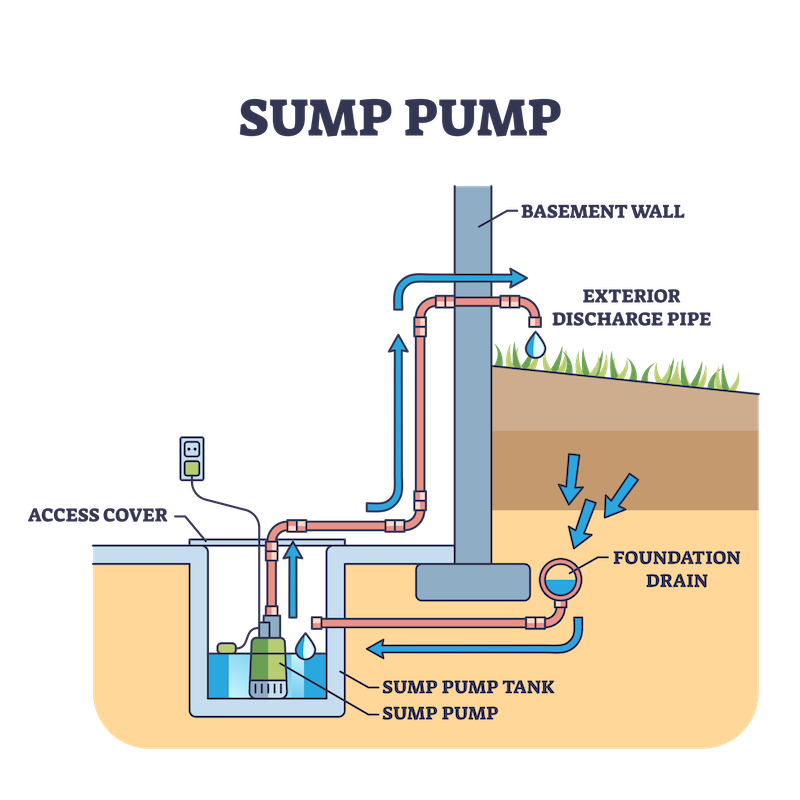
If groundwater repeatedly enters a crawl space, a longer-term water-management solution may become necessary. Depending on the property and the cause, that could involve sump pumps, drainage channels, perimeter drainage, grading improvements, irrigation changes, or other measures designed to redirect or remove water. A sump pump collects water in a basin and pumps it away from the affected area before it can accumulate. In some crawl spaces, drainage trenches or channels may direct groundwater toward one or more sump basins. This approach can help manage water that enters from beneath or around the structure.
However, no single solution fits every property. If exterior drainage, grading, irrigation, or broader site conditions contribute to the problem, those issues may require evaluation by the appropriate contractor or specialist. Restoration professionals can address water damage and drying, while plumbers, drainage contractors, engineers, or other professionals may need to address the underlying source.
Why Source Identification Matters
 Imagine repeatedly drying a crawl space without addressing the water that continues entering it. The area may look better temporarily, but the next period of heavy irrigation, rainfall, or elevated groundwater could recreate the same problem. That is why restoration should not focus exclusively on the visible puddle. Understanding whether the moisture resulted from plumbing, groundwater, surface drainage, irrigation, or another source helps property owners determine what additional corrective work may be necessary.
In some cases, the cause may be obvious. In others, multiple professionals may need to evaluate different parts of the property before anyone can confidently identify the source and develop a long-term solution.
Don’t Ignore Water Just Because It Is Under the House
Standing water in a crawl space may seem less urgent than water pouring across a kitchen floor, but location does not make moisture harmless. Water beneath the home can remain unnoticed for extended periods, allowing humidity and damp building materials to create additional problems.
If you discover water in your crawl space or suspect groundwater has entered your home, document what you see and arrange for an evaluation. Prompt extraction and drying can help limit damage while giving you time to investigate why the water entered in the first place.
At Red Truck Disaster Response, our team responds to water damage throughout the Treasure Valley. We use professional extraction, drying, dehumidification, and moisture-monitoring equipment to address affected areas and help property owners understand the conditions we find. When expansive soil, groundwater, or drainage issues contribute to water intrusion, controlling the moisture quickly provides an important first step toward protecting the property.
About Red Truck Disaster Response in Boise, Idaho
Red Truck Disaster Response provides professional water damage restoration and disaster response services to homeowners and businesses throughout Boise and the Treasure Valley. The locally owned team offers 24/7 emergency response, professional water extraction, structural drying, moisture detection, dehumidification, and restoration services designed to limit damage and help properties recover quickly. Red Truck Disaster Response is proud to have been named Idaho’s Best Disaster Response company and remains committed to providing responsive, professional service when property owners need help most.
This blog is for informational purposes only. Every water damage situation is unique, and restoration needs vary depending on the extent of the damage. If you suspect water damage in your home or business, Red Truck Disaster Response offers free inspections to help determine the best course of action.
