



 Is It Safe to Stay at Home During Water Damage Cleanup?
Discovering water damage inside your home can be overwhelming. Whether the problem started with a burst pipe, an overflowing appliance, or a leaking roof, most homeowners immediately begin asking practical questions. One of the first is whether it’s safe to remain in the home while the cleanup is taking place.
The answer varies because each water loss situation is different. In many situations, families can safely remain in unaffected areas while restoration crews dry and repair the damaged portions of the home. In other cases, temporary relocation may be the safest and most comfortable option. The important thing is having experienced restoration professionals evaluate the damage and explain what they find so you can make an informed decision.
The Type of Water Makes a Difference in Your Ability to Stay at Home During Water Damage Cleanup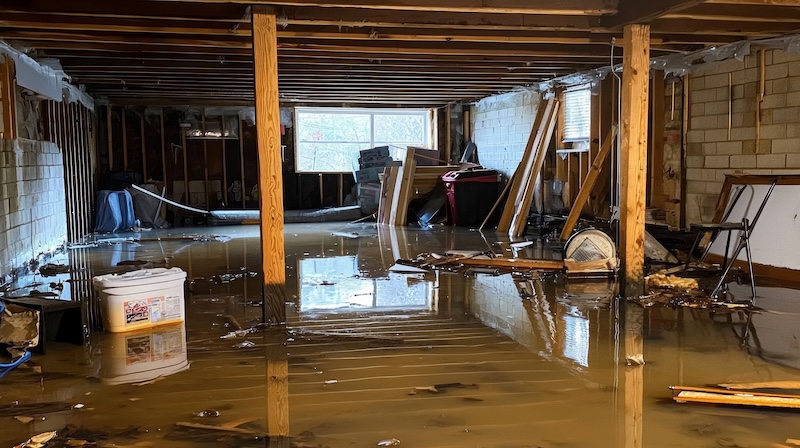
One of the biggest factors is the source of the water. Not all water damage presents the same level of concern. Clean water from a broken supply line generally creates fewer health concerns than water originating from a backed-up sewer line or flooding that has traveled through contaminated areas. Although even clean water should be removed quickly to prevent additional damage, contaminated water often requires more extensive safety precautions during the cleanup process.
Because homeowners can’t always determine the condition of the water by looking at it, professional assessment is an important first step before deciding whether it’s appropriate to remain in the home. We offer this for free!
Whether You Can Stay at Home During Mitigation Depends on the Size of the Affected Area
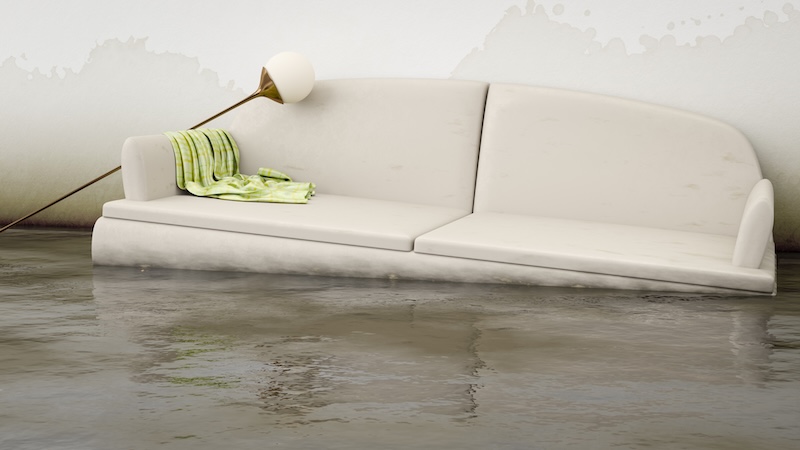 Just as important as the water source is the extent of the damage itself. A small leak affecting one bathroom is very different from several inches of water throughout an entire level of the home. If restoration work is limited to one isolated room, technicians can often contain the work area while homeowners continue using unaffected portions of the house. Containment barriers, specialized drying equipment, and careful planning frequently allow normal daily activities to continue with only minor inconvenience.
However, if water has affected multiple rooms or an entire floor, remaining in the home may become less practical. Large drying systems operate continuously and can generate significant noise, while portions of the home may be temporarily inaccessible during the restoration process.
Air Quality Is an Important Consideration in Your Ability to Stay at Home During Remediation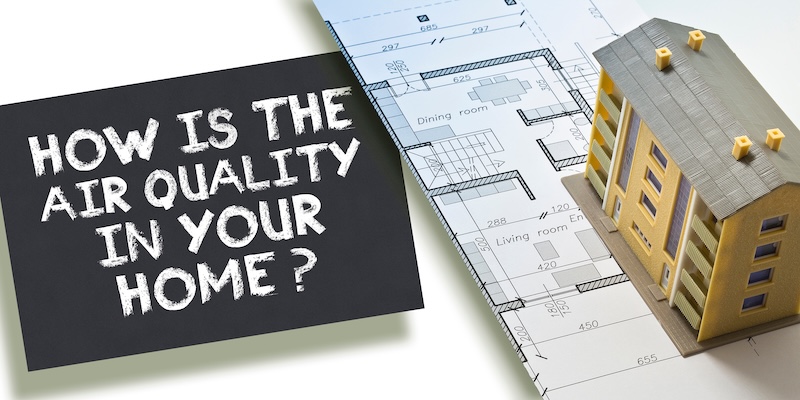
Many homeowners also wonder whether water damage is dangerous to breathe. The answer depends on several factors, including how long the water has been present and what materials have been affected. Water that remains trapped inside drywall, insulation, carpeting, or other building materials can eventually create conditions where microbial growth may begin. In addition, demolition work sometimes releases dust and other particles into the air.
Professional restoration companies work to minimize these concerns by isolating affected areas, using commercial air filtration equipment when appropriate, and removing damaged materials in a controlled manner. These measures help protect both the occupants and the technicians performing the work.
Safety Hazards May Extend Beyond the Water Damage
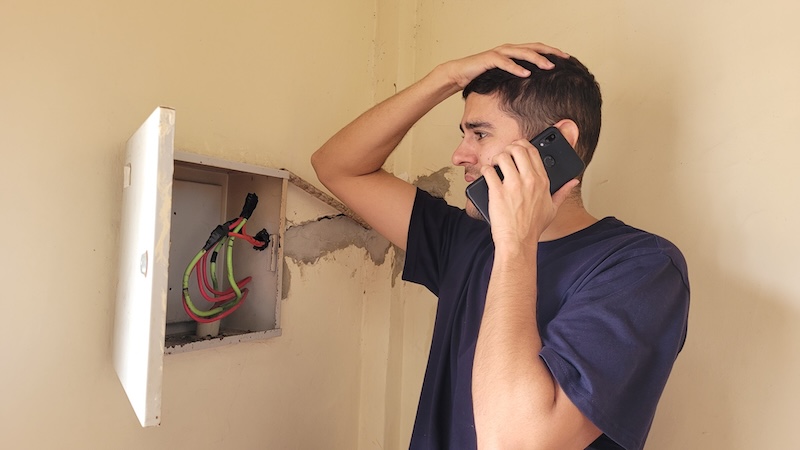 Water itself isn’t always the only concern after a significant loss. Depending on where the damage occurred, restoration professionals may also evaluate other potential hazards before recommending that homeowners remain in the residence.
For example, we look for:
- Electrical hazards around standing water
- Saturated ceilings or weakened building materials
- Slippery flooring
- Structural concerns in heavily damaged areas
- Contaminated water sources
- Excessive humidity affecting unaffected rooms
Evaluating these conditions allows restoration professionals to recommend the safest course of action based on the home’s unique circumstances instead of applying a one-size-fits-all answer.
What Areas Are Usually Safe to Occupy?
In many situations, portions of the home remain perfectly usable throughout the restoration process. Bedrooms, kitchens, or living spaces located well away from the damaged area may continue functioning normally while restoration crews focus on the affected rooms. Even so, homeowners should always follow the recommendations of the restoration team. If containment barriers have been installed, they should remain in place until technicians determine the work has been completed. Likewise, children and pets should be kept away from active work areas to avoid unnecessary risks.
By respecting temporary restrictions, families can often remain comfortably in their homes while allowing restoration work to proceed efficiently.
Every Situation Deserves an Individual Evaluation
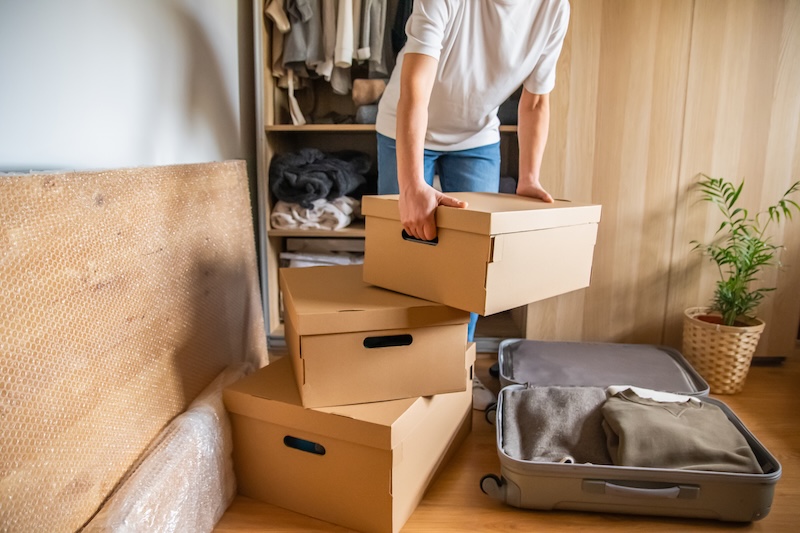 One of the biggest misconceptions about water damage is that every homeowner either must leave immediately or can always stay. In reality, neither is true. Some projects require only a few days of drying equipment in a single room. Others involve widespread damage that makes temporary relocation the better option. The decision depends on the water source, the extent of the damage, the condition of the structure, indoor air quality, and the specific needs of the family living there.
For that reason, experienced restoration professionals evaluate each property individually before making recommendations. Their goal isn’t simply to dry the structure—it’s also to help homeowners navigate the restoration process as safely and comfortably as possible.
Professional Restoration Helps You Move Forward with Confidence
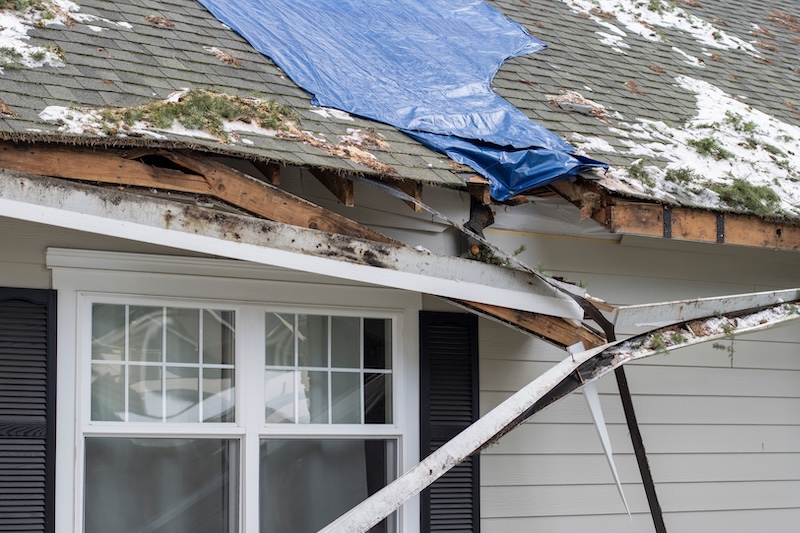 Water damage creates enough uncertainty without wondering whether your home is safe to occupy. The good news is that most situations have clear solutions once trained restoration professionals assess the damage and develop an appropriate restoration plan.
At Red Truck Disaster Response, we carefully evaluate every water loss before recommending the best course of action. Whether your family can safely remain in unaffected areas or temporary relocation makes more sense, we’ll explain our findings, answer your questions, and guide you through every step of the restoration process. Our goal is always the same: restoring your home safely while helping you move forward with confidence.
About Red Truck Disaster Response in Boise, Idaho
Red Truck Disaster Response proudly serves homeowners and businesses throughout Boise, Meridian, Eagle, Nampa, Caldwell, Kuna, Star, Middleton, and the surrounding Treasure Valley. Our experienced team provides 24/7 emergency response for water damage, flood cleanup, mold remediation, fire and smoke damage, storm damage, and complete disaster restoration services. Recognized as Idaho’s Best Disaster Response 2025, we combine rapid response with advanced drying equipment, clear communication, and professional restoration to help families recover as quickly as possible after unexpected property damage.
