




 Odor After Water Damage Repair
When a professional water damage restoration project is completed correctly, your home should not continue smelling musty simply because water damage occurred. Thorough drying, moisture testing, cleaning, and deodorization all play important roles in returning your home to a clean, healthy condition.
Unfortunately, not every restoration project addresses every source of moisture. In some cases, homeowners contact us after attempting to dry the damage themselves, hiring an inexperienced contractor, or discovering that hidden moisture remained after repairs were completed elsewhere. Weeks later, the visible damage is gone, the walls have been repaired, and fresh paint covers the affected areas—but the odor hasn’t disappeared.
If your house still smells musty after water damage repair, the lingering odor may indicate that something was missed. While every situation is different, persistent odors often deserve a closer look rather than simply masking them with air fresheners or scented candles. At Red Truck Disaster Response, we frequently perform inspections for homeowners who simply want the confidence of knowing their property is truly dry.
A Proper Restoration Addresses More Than What You Can See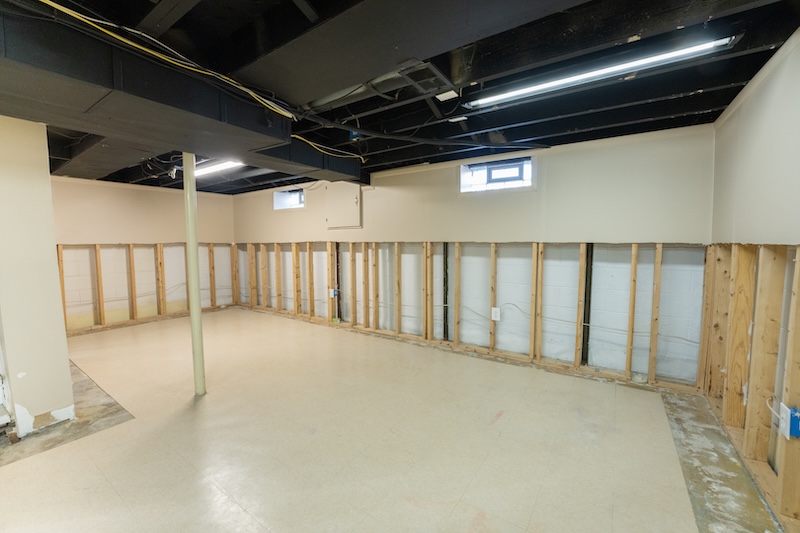
It’s easy to assume that once walls are repaired and flooring looks normal again, the water damage is behind you. However, professional restoration involves much more than replacing damaged materials. Before reconstruction begins, restoration technicians should verify that the affected structure has been properly dried and that hidden moisture is no longer present.
At Red Truck Disaster Response, we don’t stop once surfaces appear dry. Our technicians use professional moisture detection equipment to evaluate affected materials and verify that drying has progressed appropriately before repairs move forward. We also inspect surrounding areas because water rarely stays confined to the place where it first appears.
That thorough approach helps reduce the likelihood that hidden moisture or lingering odors remain after the project is complete. While every restoration presents unique challenges, identifying the source of a problem before rebuilding begins remains one of the most important steps in achieving a successful outcome.
 Hidden Moisture May Still Be Present Even After Water Damage Repair
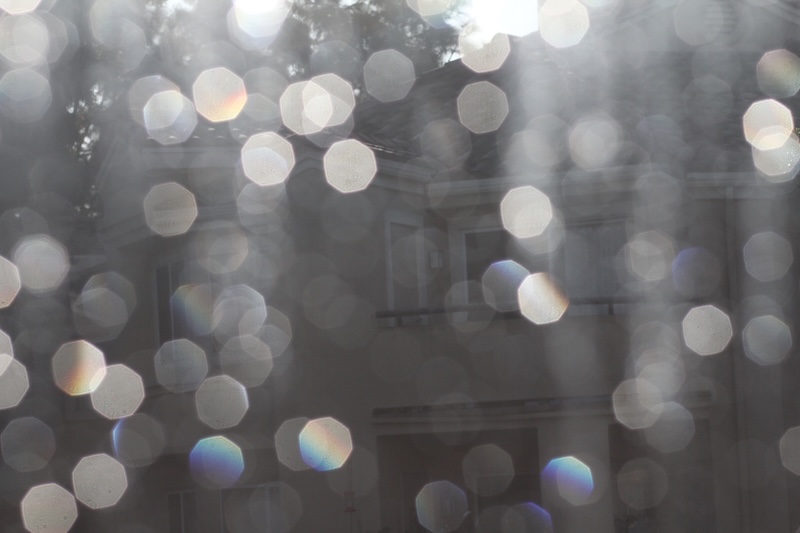
If moisture wasn’t completely removed during the original drying process, it can sometimes remain trapped inside building materials that aren’t visible after repairs are finished. Although walls, flooring, and paint may appear perfectly normal, damp materials behind those finished surfaces can occasionally continue producing unpleasant odors.
Areas where moisture may become trapped include:
- Behind drywall
- Inside insulation
- Beneath flooring
- Under cabinets
- Around baseboards
- Inside crawl spaces
- Within structural framing
Because these areas are hidden from view, specialized moisture detection equipment often provides a much more accurate picture than a simple visual inspection.
Musty Odors Often Indicate Microbial Growth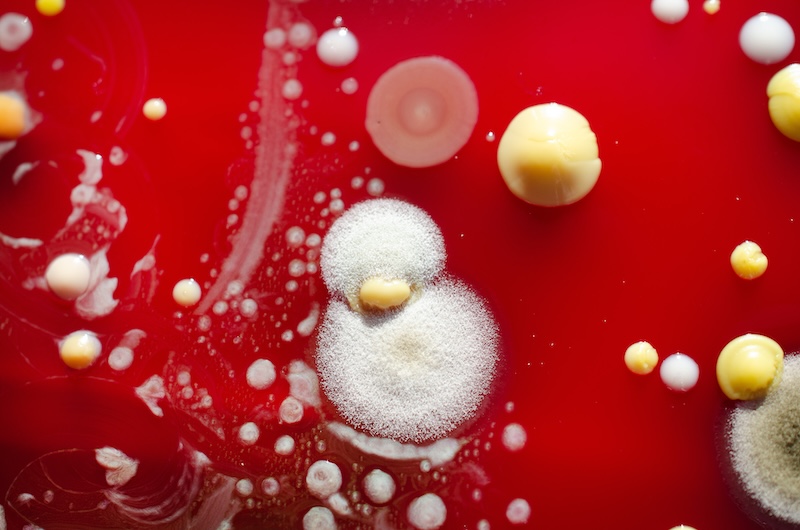
That familiar musty smell many homeowners notice after water damage frequently develops when microorganisms begin growing in damp environments. While mold is often the first thing people think about, other naturally occurring microbes may also contribute to unpleasant odors when moisture remains trapped inside building materials.
Materials that commonly support microbial growth after water damage repair include:
- Drywall paper
- Wood framing
- Carpet backing
- Carpet padding
- Dust and debris
- Insulation
The odor itself comes from compounds released during this process. Even if the affected area is relatively small, your HVAC system can circulate those odors throughout the home, making the problem seem much larger than it actually is.
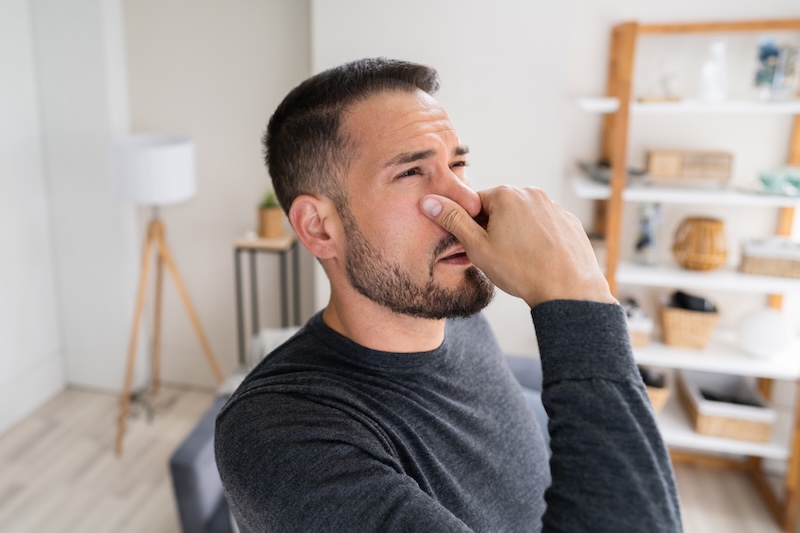 After Water Damage Repair Odors May Also Come From Contaminated Materials
Not every lingering odor points to hidden moisture. Sometimes affected materials absorb contaminants during the original water loss, especially if the damage involved gray water or sewage. Even after everything has dried, those materials may continue producing unpleasant smells unless they receive proper cleaning, deodorization, or replacement.
Depending on the circumstances, professional restoration may include:
- Deep cleaning affected materials
- HEPA vacuuming
- Antimicrobial treatments
- Professional deodorization
- Air scrubbing
- Removal of materials that cannot be properly restored
Every water loss differs, which is why restoration plans should reflect the type of water involved, the amount of damage, and the materials affected.
Your HVAC System Could Be Circulating the Odor
Another possibility of odor after water damage repair relates to your heating and air conditioning system. As conditioned air moves through the home, it can carry odors from one room into another. If moisture or contaminants entered the ductwork during the original water loss, the smell may continue circulating even though the visible damage has already been repaired.
This doesn’t happen after every water damage event, but it illustrates why professional restoration should evaluate the entire affected environment rather than focusing only on damaged walls or flooring.
Don’t Ignore a Persistent Musty Smell After Water Damage Repair
 Many homeowners hope the odor will eventually disappear on its own. Sometimes it does. Other times, however, a lingering smell serves as an early warning that hidden moisture or damaged materials still deserve attention.
The longer excess moisture remains inside a structure, the greater the potential for additional damage. Addressing the issue sooner often helps reduce both restoration costs and the amount of work needed to correct the problem.
If you notice a musty odor after a previous water damage repair—especially if another company completed the work or you attempted the cleanup yourself—it may be worth scheduling a professional inspection. Persistent odors can indicate that hidden moisture or damaged materials remain after water damage repair.
Peace of Mind After Water Damage Repair Starts With a Thorough Inspection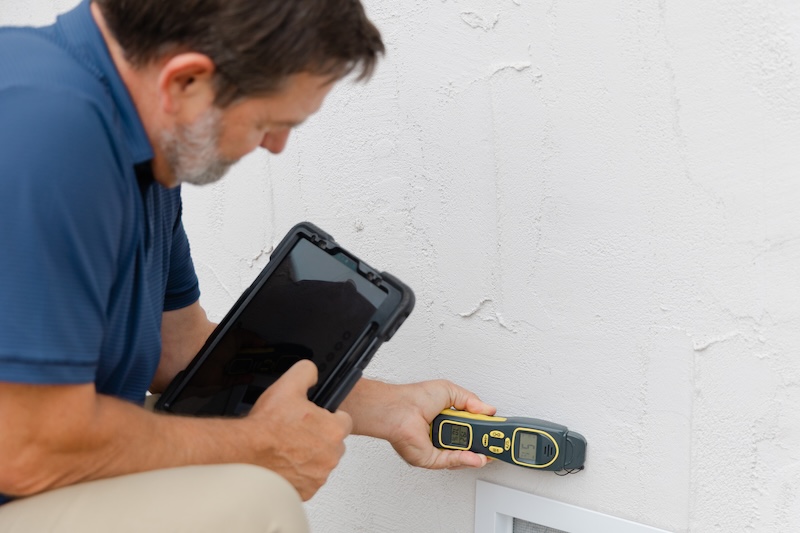
 At Red Truck Disaster Response, we believe homeowners deserve more than repairs that simply look good. Our goal is to identify and address the source of the problem before reconstruction is complete, helping restore both your property and your confidence that the damage has been properly resolved.
If you’ve been wondering why your home still smells after water damage repair, we’re happy to perform a professional inspection and determine whether additional restoration may be appropriate—or simply provide the peace of mind that everything has been addressed correctly. Our inspections are always free.
This blog is for informational purposes only and should not be considered professional restoration advice for every situation. Every water loss is unique, and recommendations vary depending on the type and extent of the damage. Inspections are always free.
Meet Pat
About Red Truck Disaster Response in Boise, Idaho
Red Truck Disaster Response provides 24/7 emergency disaster cleanup, water damage restoration, mold remediation, sewage cleanup, fire and smoke restoration, crawl space restoration, roof leak damage repair, and reconstruction services throughout Boise and the Treasure Valley. Since 2016, the company has built a reputation for rapid response, arriving at most emergencies in approximately 45 minutes. Named Idaho’s Best Disaster Response Company in 2025, Red Truck Disaster Response combines advanced drying equipment, moisture detection technology, and experienced restoration professionals to help homeowners and businesses recover from unexpected property damage while protecting the long-term integrity of their property.
